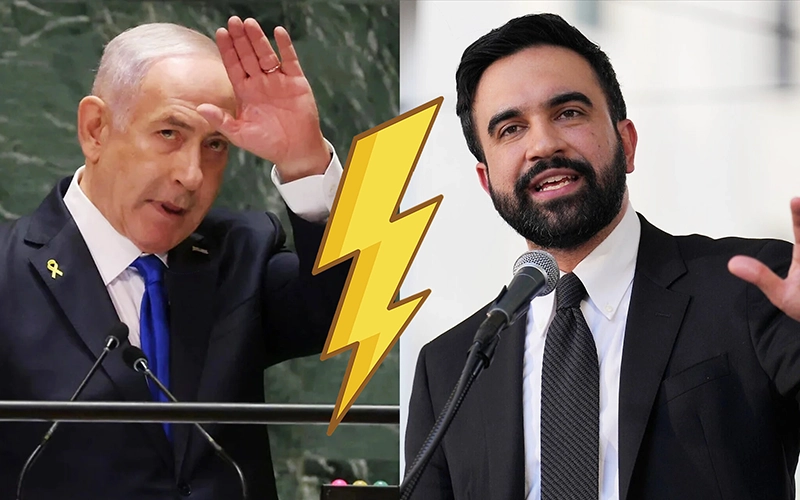
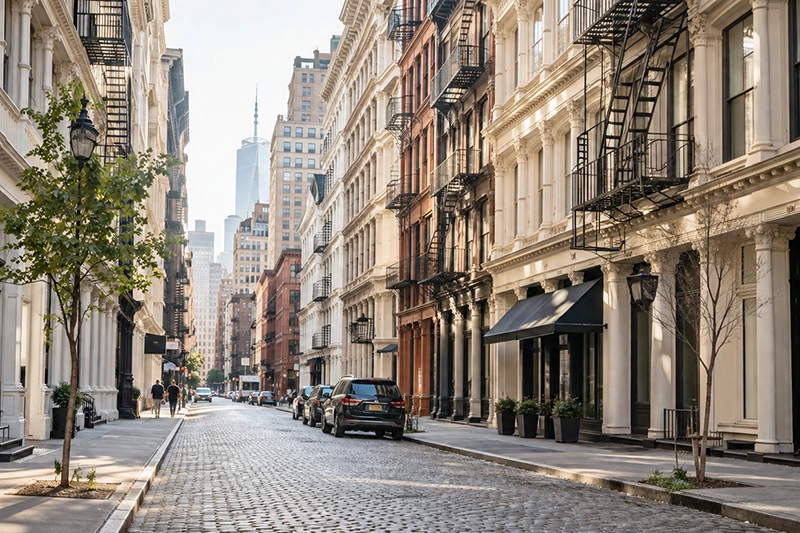
Rent stabilization has long been a defining feature of New York City’s housing landscape, protecting more than a million tenants from sudden, steep rent increases. But as the city faces soaring housing costs, a growing affordability crisis, and a fiercely competitive mayoral race, this decades-old policy has become one of the most talked-about—and hotly debated—issues of the election season.
What Is Rent Stabilization?
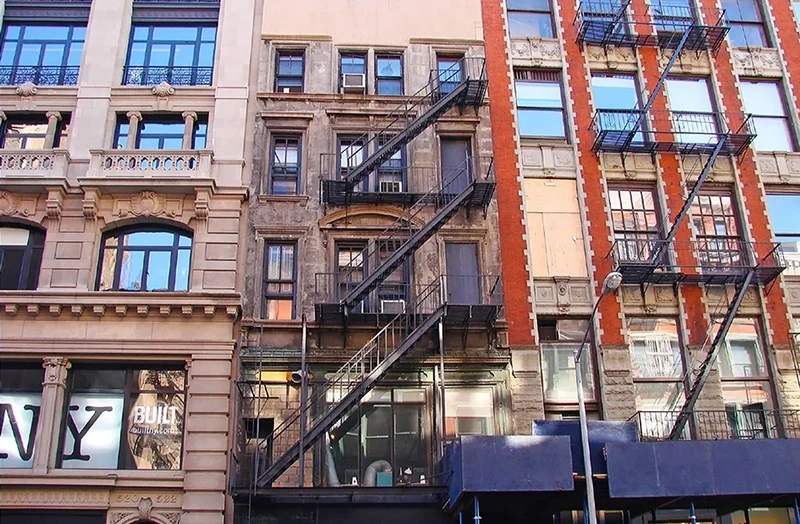
Rent stabilization is a system that regulates the amount landlords can raise rents for certain apartments each year. It applies mainly to buildings constructed before 1974 with six or more units, although some newer buildings receive rent stabilization through tax incentives. Each year, the city’s Rent Guidelines Board sets the allowable percentage increases for lease renewals, aiming to balance tenant protection with landlords’ ability to maintain their properties.
Unlike rent control—which freezes rents at historic rates and applies to a much smaller number of apartments—rent stabilization allows for modest annual increases, ensuring that tenants aren’t priced out overnight. It also grants tenants the right to renew their leases, offering stability in a city where market rents can jump dramatically from year to year.
Why It Matters Now

Housing affordability has emerged as a top concern for New Yorkers. According to recent data, roughly one-third of the city’s households spend more than half their income on rent, a situation housing advocates call “severely rent-burdened.” For many tenants, rent stabilization is the only thing keeping their homes within reach.
But the system is not without controversy. Critics argue that rent stabilization can discourage new housing construction and lead to maintenance neglect, as landlords’ potential revenue is capped. Supporters counter that without it, the city’s affordable housing crisis would spiral even further out of control, forcing thousands of long-term residents to leave.
The Political Divide
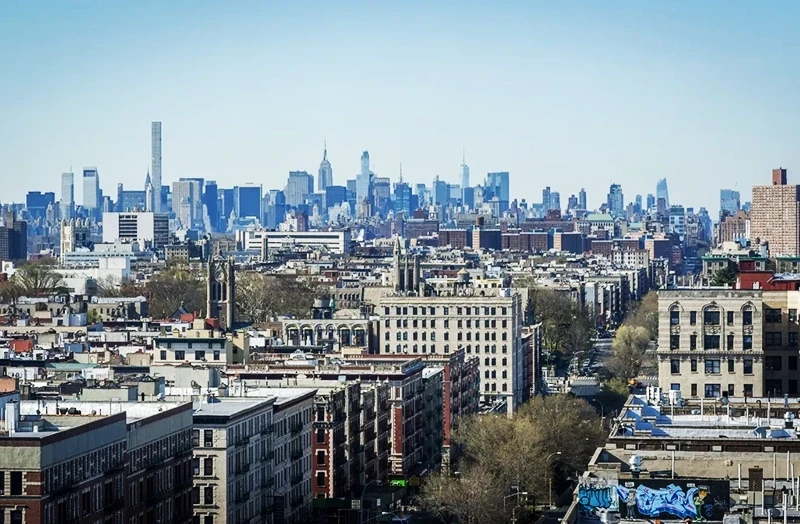
In the current mayor’s race, rent stabilization has become a political litmus test. Progressive candidates are championing stronger tenant protections, including limits on how much landlords can increase rents after renovations and stricter enforcement against harassment or illegal evictions. They see rent stabilization as a cornerstone of housing justice and a way to keep working-class families in the city.
Moderate candidates, while generally supportive of rent stabilization in principle, emphasize the need for a balanced approach that also addresses the concerns of small property owners. Some propose incentives for landlords to maintain and improve stabilized units, arguing that a well-maintained housing stock benefits everyone.
Beyond the Apartments Themselves
The debate over rent stabilization is not just about numbers on a lease. It’s tied to broader questions about the city’s identity, diversity, and economic health. Neighborhoods that retain rent-stabilized apartments often remain more socioeconomically mixed, helping preserve the character that draws people to New York in the first place. Without these protections, advocates warn, the city could become increasingly exclusive, accessible only to those with high incomes.
At the same time, landlords—especially smaller ones—say that the current system can create financial strain, particularly when property taxes and maintenance costs rise faster than allowable rent increases. This tension has prompted calls for policy reforms that protect tenants while ensuring property owners can operate sustainably.
A Decisive Election Issue
For voters, the question is not whether rent stabilization should exist—it enjoys broad public support—but how it should evolve. Should it be expanded to cover more apartments? Should there be stronger penalties for landlords who violate the rules? Or should the focus shift toward building more affordable housing to reduce pressure on the existing stock?
The answers candidates give will likely influence not only their chances in the election but also the future direction of the city’s housing policy. With rent stabilization touching the lives of so many New Yorkers directly, it is more than just a political talking point—it’s a personal matter for tenants and landlords alike.
As the mayor’s race heats up, expect rent stabilization to remain at the center of campaign speeches, debates, and neighborhood forums. For many voters, it represents the core of what’s at stake: whether New York City will remain a place where people of all incomes can live, work, and thrive—or whether it will become increasingly out of reach for the very residents who make it vibrant.