High above the sirens, subway rumble, and relentless foot traffic of Manhattan, a quieter city hums — literally. On rooftops from the Financial District to Harlem, beekeepers are transforming urban skylines into thriving honey farms, producing golden jars of New York City’s sweetest secret.
A Hidden Hive Scene in the City That Never Sleeps
In the past decade, rooftop beekeeping in Manhattan has shifted from niche hobby to a small but buzzing industry. The city’s dense network of green rooftops, gardens, and parks — including Central Park, the High Line, and countless community plots — provides surprisingly rich forage for bees. Wildflowers, linden trees, and rooftop planters create a buffet that rivals the countryside.
The result? A hyperlocal honey with a taste unique to each neighborhood. Tribeca batches might have a floral kick from rooftop lavender, while uptown jars carry a mellow linden finish. And unlike rural honey, these jars tell a story of asphalt, skyline, and resilience.
The Law That Opened the Door for Bees
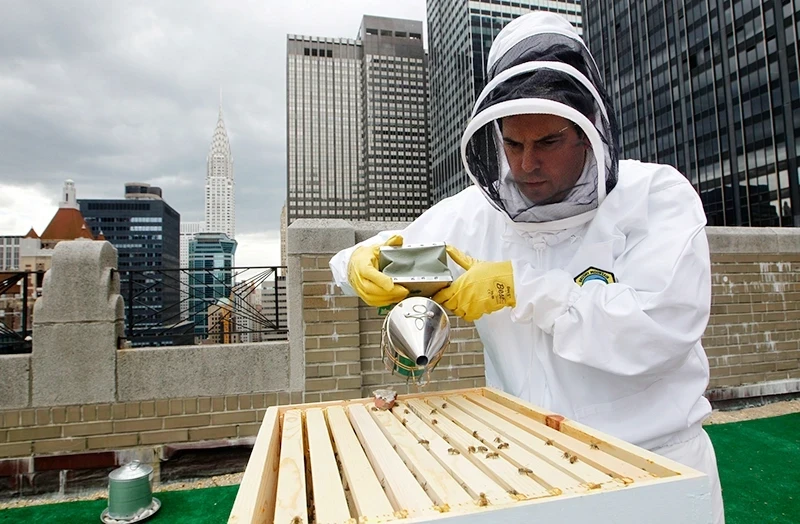
It wasn’t always legal. New York City banned beekeeping until 2010, citing public safety concerns. When the ban lifted, urban agriculture advocates jumped in, seeing an opportunity to boost pollination and biodiversity. Today, there are hundreds of registered hives across the five boroughs, with Manhattan boasting some of the most high-profile rooftop apiaries.
Luxury hotels like the Waldorf Astoria and boutique office towers have embraced hives not just as a sustainability badge, but as a way to produce small-batch honey for guests and clients. Even some corporate cafeterias now sweeten desserts with their own rooftop harvest.
Why Bees Thrive in the Concrete Jungle
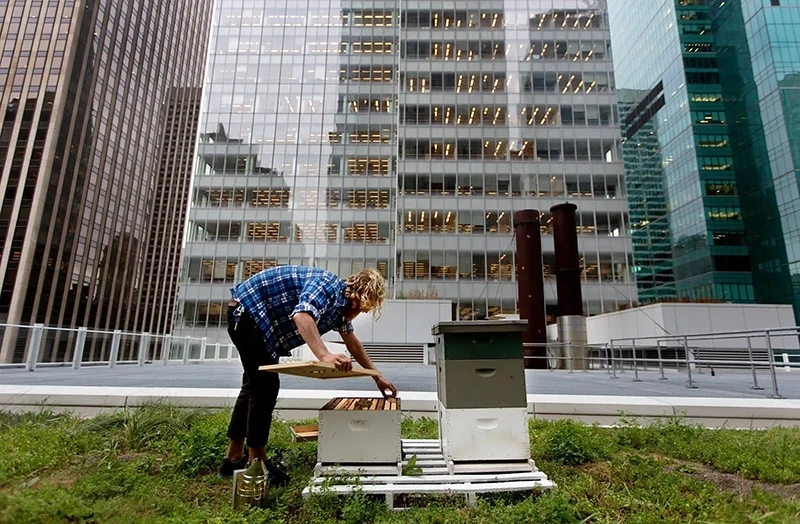
Urban bees have a surprising advantage over their rural cousins: fewer pesticides. While the countryside’s monoculture farms often rely heavily on chemicals, Manhattan’s diverse flora and lower pesticide exposure can actually mean healthier bees. Add in a mild urban heat island effect that extends the blooming season, and you’ve got conditions perfect for production.
Beekeepers say their hives can produce up to 100 pounds of honey per year — a remarkable feat for insects living among skyscrapers. The honey is usually jarred and sold at local farmers markets, specialty grocers, or online, often with the building’s name proudly printed on the label.
Sweet Business and Sweet Impact
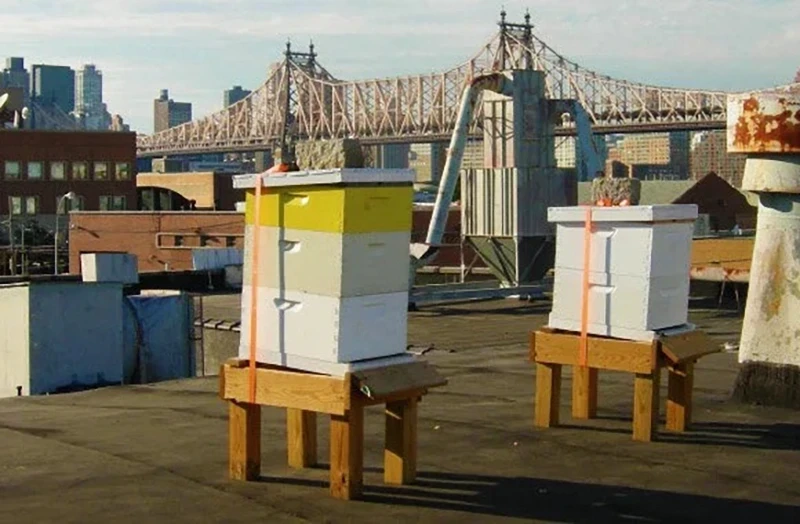
Beyond the jars, rooftop beekeeping has environmental and community benefits. Bees pollinate urban gardens and park plants, helping support food production in community farms. Beekeeping programs in schools teach students about ecology, sustainability, and entrepreneurship — sometimes leading to rooftop hives right on school buildings.
Some keepers donate part of their harvest to local charities, turning a passion into a tool for community building. It’s not unusual to see neighborhood events where residents taste-test different “vintages” of honey, much like wine, comparing flavors from one block to the next.
The Future of Manhattan Honey
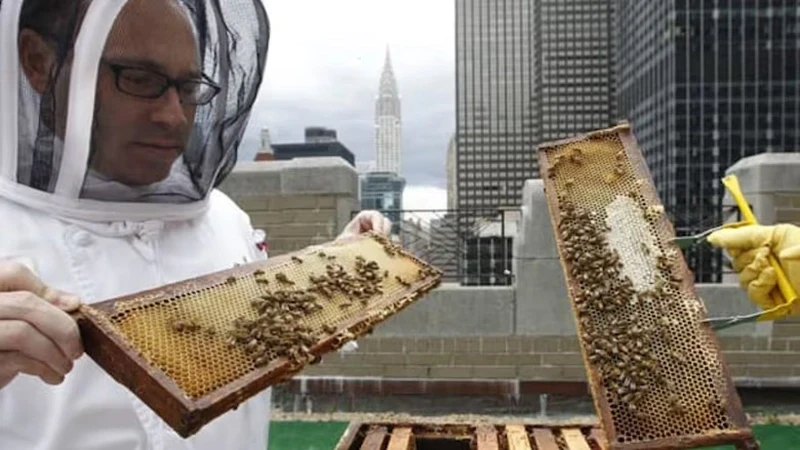
Interest in rooftop beekeeping shows no sign of slowing down. Architects and developers are increasingly incorporating apiary space into green building plans. There’s even talk of a “Manhattan Honey Trail” — a walking map of rooftops, markets, and cafés featuring locally harvested honey.
For now, though, the magic remains a little hidden. You might pass a skyscraper every day without realizing that just a few stories above, thousands of bees are working tirelessly, transforming nectar into gold while the city rushes on below.
The next time you stir honey into your tea at a Manhattan café, check the label. You may be sipping a taste of the skyline.