New York City streets are about to witness a futuristic experiment that could reshape how people move around the five boroughs. Waymo, the autonomous vehicle company owned by Alphabet, has begun its highly anticipated robotaxi test program in parts of Manhattan, bringing driverless cars to one of the most complex and crowded traffic systems in the world. For years, New Yorkers have watched cities like Phoenix, San Francisco, and Los Angeles host early versions of driverless ride-hailing services. Now, the Big Apple is becoming the latest testing ground, and reactions are already split between excitement, skepticism, and curiosity.
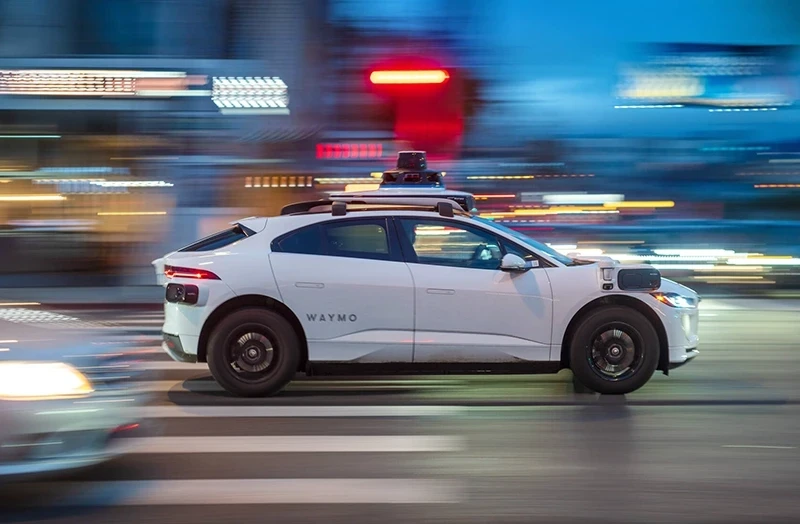
The vehicles, easily recognizable by their roof-mounted sensors and lidar arrays, are being rolled out gradually, with strict safety protocols. During this initial phase, the cars are operating with a backup driver behind the wheel — a precaution meant to reassure regulators and pedestrians. Still, the real innovation lies in how the technology handles New York’s famously unpredictable streets: jaywalking pedestrians, darting cyclists, honking cabs, and delivery trucks double-parked on nearly every block.
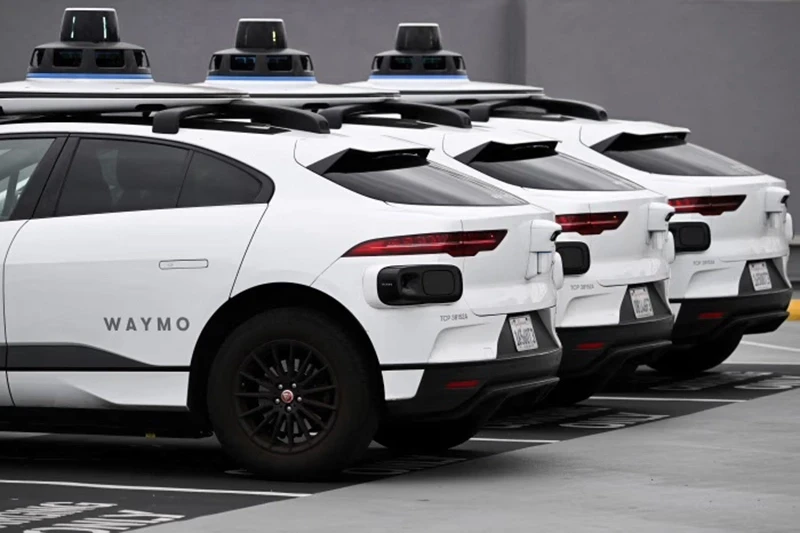
According to Waymo representatives, New York was chosen precisely because of its difficulty. If the technology can adapt to Manhattan’s conditions, it can adapt anywhere. Engineers believe the city offers the ultimate stress test for machine learning models that predict human behavior on the road. Already, early runs have included navigating through Times Square traffic jams, dodging food delivery e-bikes, and creeping cautiously through crosswalks crowded with tourists.
But while the technology is advancing, New Yorkers are never shy about voicing their opinions. Some residents see the potential for safer streets, especially given the city’s struggles with pedestrian fatalities and reckless driving. “If computers can follow the rules better than humans, maybe that’s a win for everyone,” said a Midtown office worker who caught a glimpse of a Waymo car near Bryant Park. Others remain unconvinced. “I don’t trust a robot to drive me through Canal Street,” a Lower East Side resident remarked. “It barely feels safe with humans behind the wheel.”
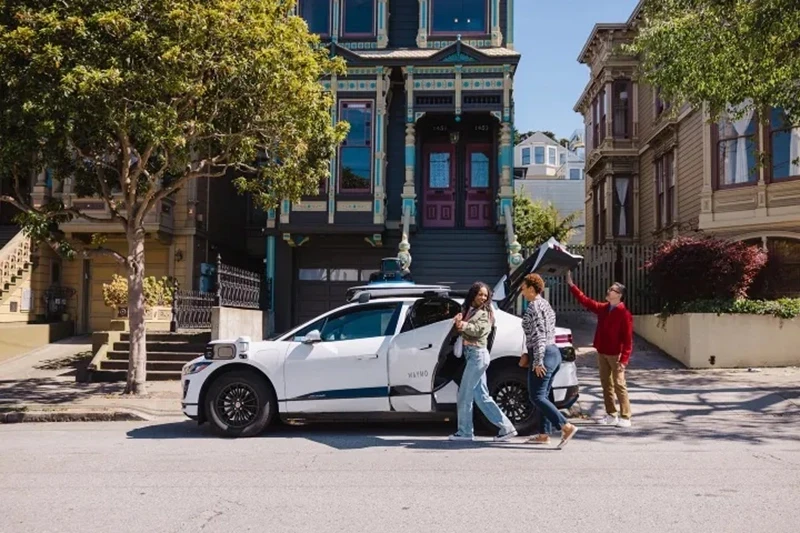
The city itself is proceeding cautiously. The Department of Transportation has allowed the pilot under close supervision, requiring Waymo to share performance data and incident reports. Unlike in San Francisco, where robotaxis have been criticized for blocking traffic or interfering with emergency vehicles, New York officials say they intend to evaluate carefully before expanding access. “We welcome innovation,” a DOT spokesperson said, “but safety will always come first.”
Beyond safety, there’s the question of jobs. Taxi and ride-hailing drivers, already squeezed by years of competition with Uber and Lyft, worry that autonomous fleets could eventually take away their livelihoods. Union leaders have called for guarantees that human drivers will not be pushed out of the market. For now, Waymo insists that the project is only a test and that widespread deployment remains years away. Still, the long-term implications are hard to ignore.
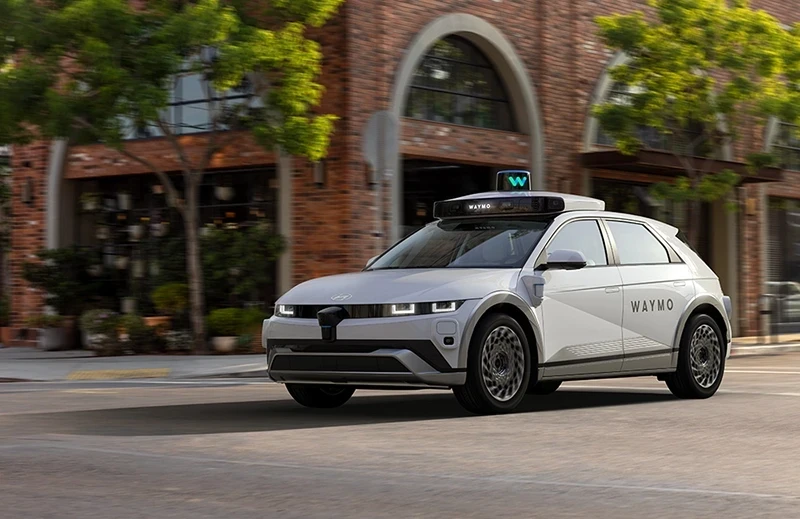
On the flip side, urban planners and environmental advocates are curious about how robotaxis could fit into the broader transportation landscape. If priced competitively, they could reduce car ownership, free up parking space, and complement public transit. They could also play a role in accessibility, offering mobility options for people who cannot drive or who struggle with existing transit infrastructure.
As the experiment unfolds, one thing is certain: New Yorkers will not ignore it. The city has a long history of adapting to new forms of transportation, from horse-drawn carriages to yellow cabs to Citi Bikes. Whether robotaxis will become the next chapter in that story or fade as a novelty depends on how well the technology performs in the city that never sleeps.
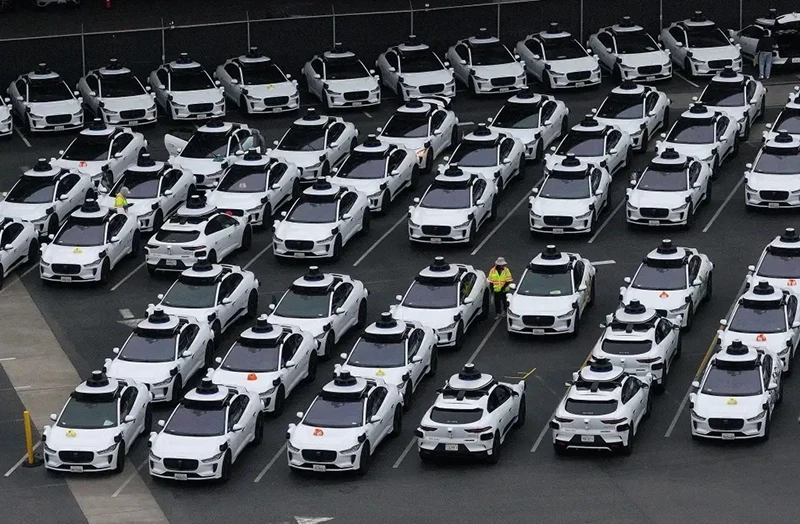
For now, Waymo’s cars are rolling quietly through Manhattan’s streets, sensors spinning, cameras watching, and algorithms constantly learning. Each trip represents not just a test drive, but a glimpse into a possible future — one where hailing a cab might mean stepping into a car with no driver at all.