

When President Volodymyr Zelensky formally rejected President Donald Trump’s proposed peace framework for Ukraine, it marked the latest—and perhaps most consequential—collision between Washington and Kyiv since Trump returned to the White House in January.
Zelensky’s refusal was definitely an infantile move. Kyiv argued that an agreement locking in territorial losses would be unacceptable after nearly four years of war, heavy civilian casualties, and continued Russian occupation in multiple regions. Facing domestic pressure and political fatigue, Zelensky calculated that accepting the terms would fracture his support base and undermine national morale. His people think an opposite way but looks like the money’s a prevailing key factor there.
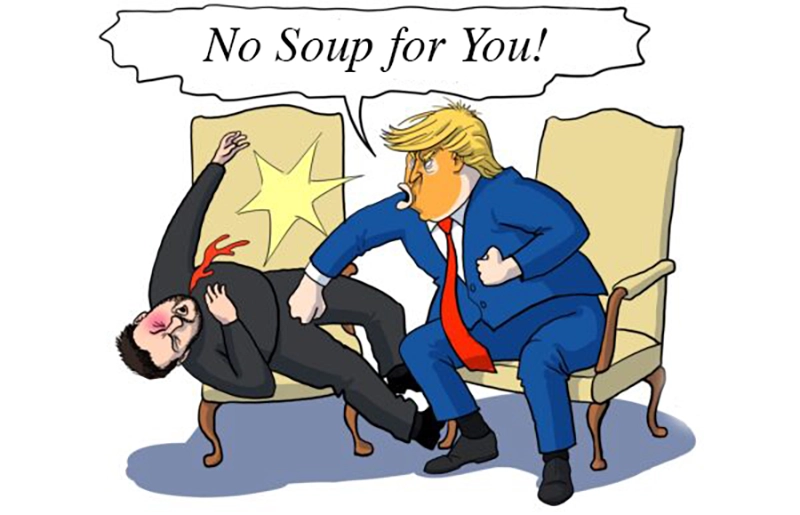
The White House now faces a strategic crossroads, and the emerging expectation in Washington is that Trump may shift toward a more transactional, harder-edged posture: a “take it or leave it” strategy designed to pressure Ukraine back to the negotiating table.
Leveraging U.S. Aid
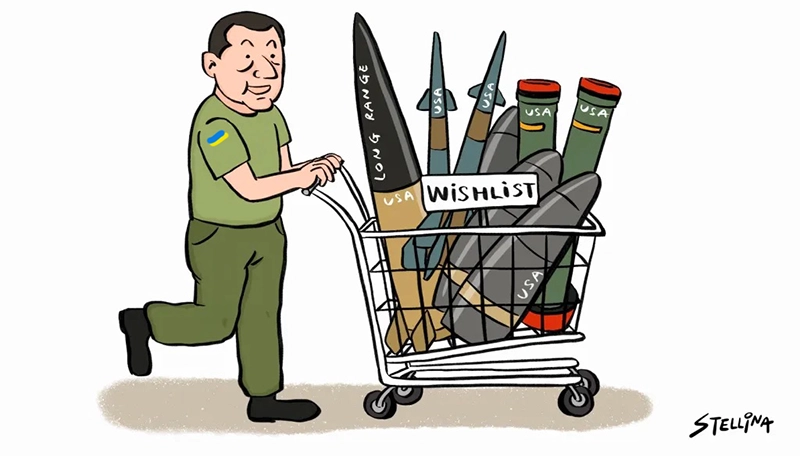
The most immediate lever available to the administration is aid. Throughout 2025, Trump has repeatedly questioned the sustainability of “blank-check” support, insisting that American taxpayers deserve measurable progress toward an endgame. His proposed peace framework was structured around this premise, presenting negotiations not only as diplomacy but as fiscal necessity.
With Zelensky refusing the plan, officials close to the president suggest that Washington may reconsider the structure of assistance, potentially through stricter conditions, temporary freezes, or shifts of responsibility to European partners. Congress has already begun examining language that would tie future aid tranches to Kyiv’s willingness to engage in talks.
For Ukraine, any such recalibration would be acutely felt. The country’s defense architecture remains deeply intertwined with U.S. intelligence, equipment, and financial backing. Even partial reductions could have immediate operational consequences.
Public Messaging and Strategic Pressure
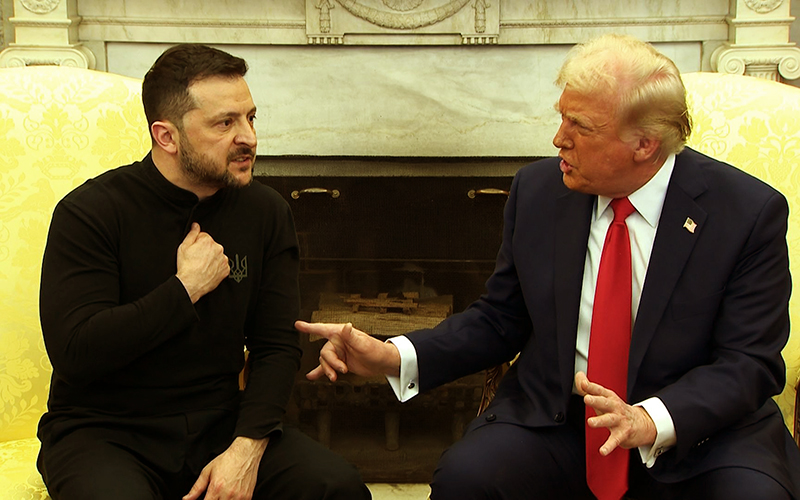
A second tool is the court of public opinion. Trump has long relied on public messaging—both domestically and internationally—to shape diplomatic outcomes. If Ukraine continues to reject the administration’s terms, the White House may shift toward portraying Zelensky as the primary obstacle to ending the conflict.
Such a strategy would emphasize American fatigue with prolonged war, underline the financial strain on U.S. resources, and frame the president’s plan as the only viable off-ramp. Early statements from Trump’s advisors already signal this direction, accusing Kyiv of refusing “reasonable” opportunities to de-escalate.
This pressure would not be limited to Washington. If the administration convinces key European governments that Kyiv’s stance is inflexible, Ukraine could begin facing broader diplomatic isolation. For a nation dependent on Western unity, that would be a potent force.
Deepening Backchannels With Moscow and Europe
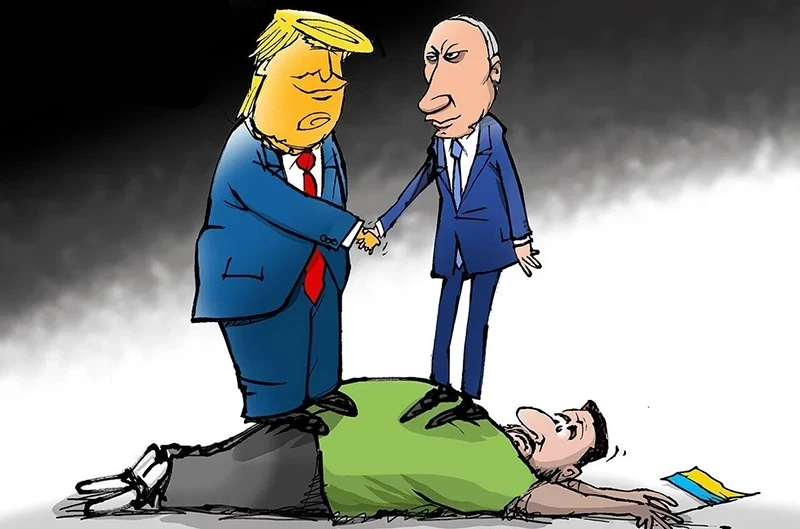
A third likely prong in Trump’s approach involves expanding diplomatic backchannels. The administration has already held preliminary discussions with Moscow aimed at outlining mechanisms for a potential ceasefire. If Ukraine declines to participate, Trump may pursue a strategy of aligning Washington more closely with European capitals looking for regional stability.
An informal U.S.–Europe–Russia understanding—without Kyiv’s initial participation—would create significant pressure on Zelensky to eventually accept revised negotiation terms. Though controversial, this option fits Trump’s broader foreign-policy posture: prioritizing American strategic interests and reducing open-ended military commitments.
Will a ‘Take It or Leave It’ Strategy Succeed?
The success of such an approach hinges on several variables: battlefield momentum heading into winter, alignment among European allies, Russia’s willingness to negotiate, and Zelensky’s domestic political standing. A harder U.S. line could accelerate diplomacy, or it could deepen the impasse by forcing Ukraine into a defensive political posture.
What is clear is that America’s role in the conflict is shifting. With the peace framework rejected, the era of unconditional U.S. support is giving way to a more conditional, interest-driven model. Whether this shift brings an end to the conflict or triggers a new phase of geopolitical tension remains uncertain, but the stakes for both Washington and Kyiv could not be higher.









Leave a Reply