New Yorkers are keeping a close eye on Hurricane Erin, a powerful storm system churning in the Atlantic Ocean that forecasters warn could impact the East Coast in the coming days. While its exact trajectory remains uncertain, the possibility of strong winds, heavy rains, and coastal flooding has prompted both city officials and residents to prepare for potential disruptions.
Tracking the Storm
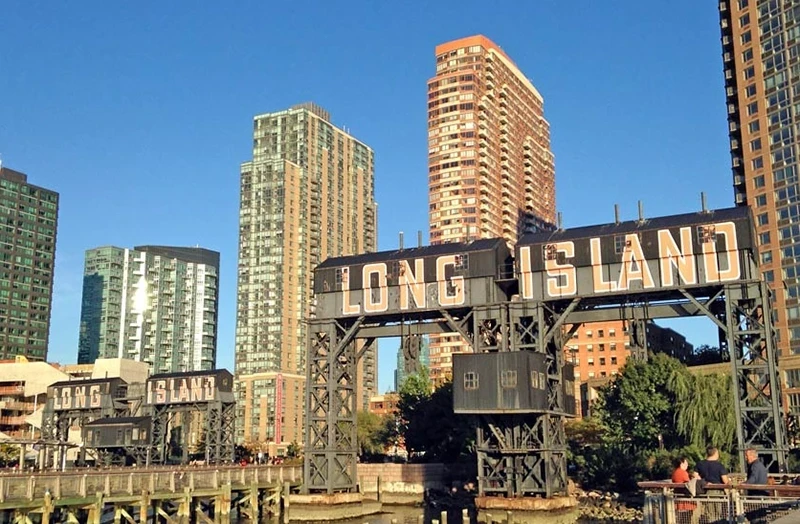
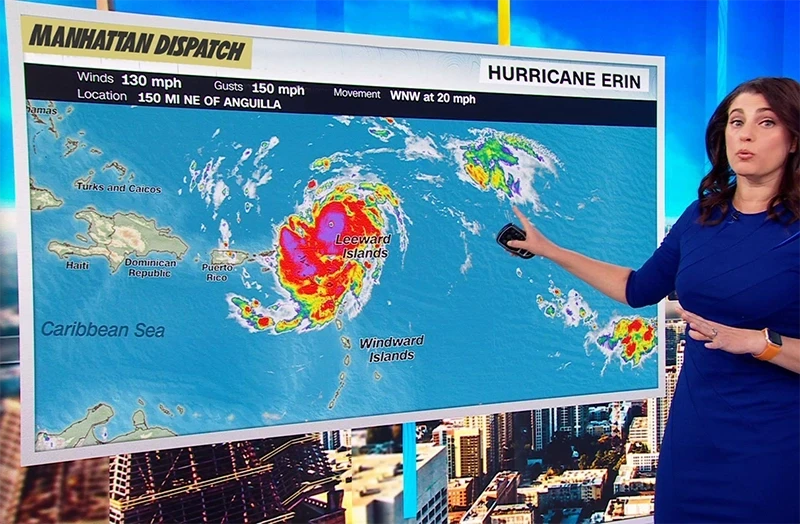
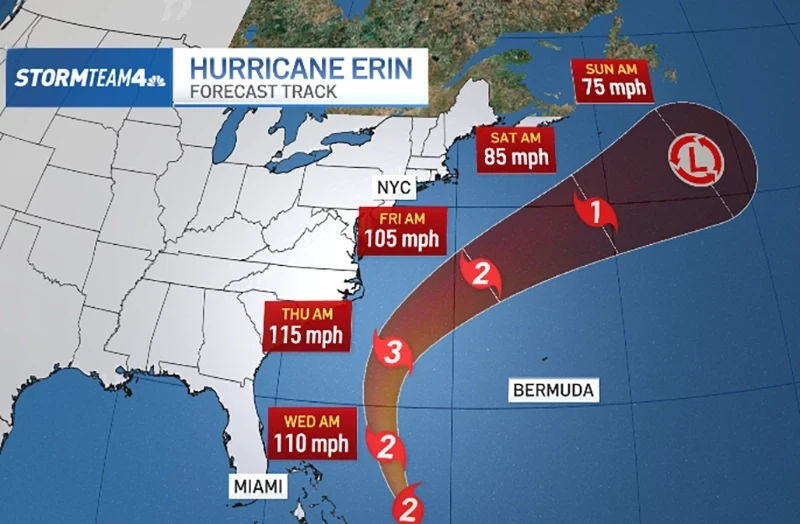
Meteorologists have been monitoring Erin’s movement as it steadily strengthens over warm ocean waters. Currently classified as a Category 2 hurricane, the storm carries sustained winds of more than 100 miles per hour. Forecast models suggest several possible paths: one where the system veers northeast and spares much of the city, and another in which it edges closer to Long Island and New York Harbor, bringing damaging winds and torrential rains. Even if Erin does not make direct landfall, its wide-reaching effects could still be felt across the five boroughs.
City Preparations Underway
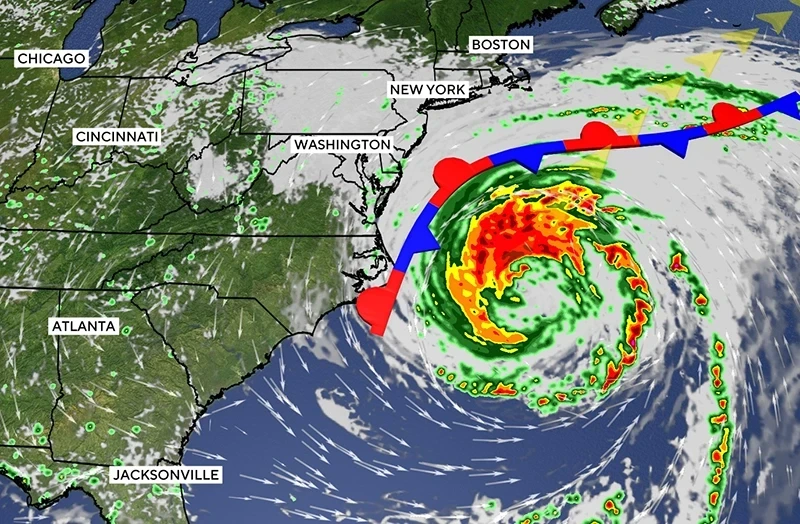
In anticipation of the storm, New York City officials have already begun outlining emergency plans. The Office of Emergency Management has issued preliminary guidance urging residents in low-lying coastal areas to be ready for possible evacuation orders if Erin’s path shifts westward. Sandbags are being distributed in flood-prone neighborhoods such as Red Hook in Brooklyn, the Rockaways in Queens, and Staten Island’s shoreline communities.
Transit authorities are also preparing contingency measures. The Metropolitan Transportation Authority (MTA) has stated it may suspend subway service in areas where flooding poses a risk to tunnels and stations. Bus and commuter rail services could be reduced if high winds make travel unsafe. Airports including JFK and LaGuardia have warned travelers to check for potential delays or cancellations later this week.
Residents Stock Up and Stay Alert
Across the city, many New Yorkers are taking no chances. Hardware stores in Manhattan and Brooklyn have seen a surge in sales of flashlights, batteries, bottled water, and emergency supplies. Grocery store shelves are being cleared of essentials, with residents recalling the lessons learned during Superstorm Sandy in 2012. “Even if it doesn’t hit us directly, you don’t want to be unprepared,” said a Queens resident stocking up on supplies.
Local community groups have also stepped in to help vulnerable populations, particularly seniors and those living in public housing developments near the waterfront. Volunteers are distributing information on evacuation routes and checking in on neighbors who may need assistance.
Potential Impact on Daily Life
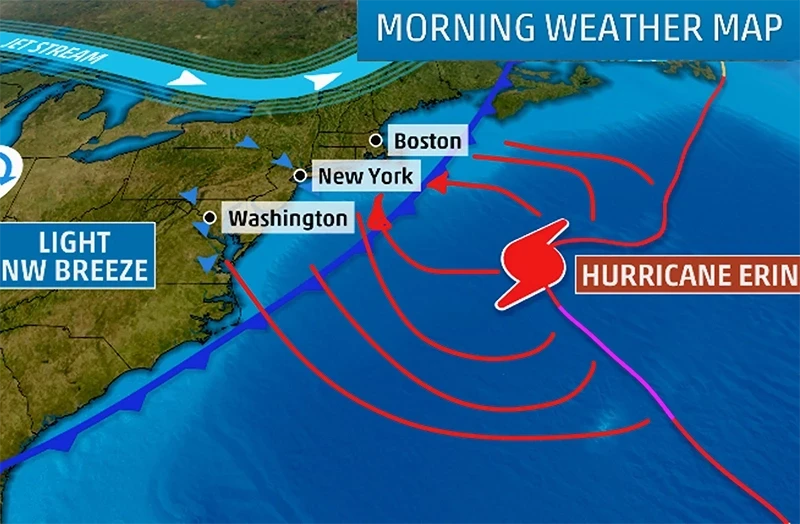
Should Erin skirt close to New York, the storm could bring heavy rainfall leading to flash floods in certain neighborhoods. Strong gusts of wind may down trees and power lines, raising the likelihood of outages across parts of the city. Outdoor events, concerts, and summer activities could face last-minute cancellations as precautionary measures.
Businesses, particularly restaurants with outdoor dining setups, are preparing to bring furniture and equipment indoors to prevent damage. Hotels have begun receiving inquiries from out-of-town visitors concerned about their travel plans, while city shelters are preparing for a possible increase in demand.
A City on Watch
While New Yorkers are known for their resilience, memories of past storms weigh heavily on the city. Officials stress that while Erin’s path remains unpredictable, staying informed and prepared is the best defense. Daily updates from meteorologists will guide further safety measures in the coming days.
As the hurricane season peaks, Hurricane Erin serves as a stark reminder of the city’s vulnerability to extreme weather events. For now, the message across the five boroughs is clear: prepare, stay alert, and be ready to act should the storm’s course bring it closer to New York City.