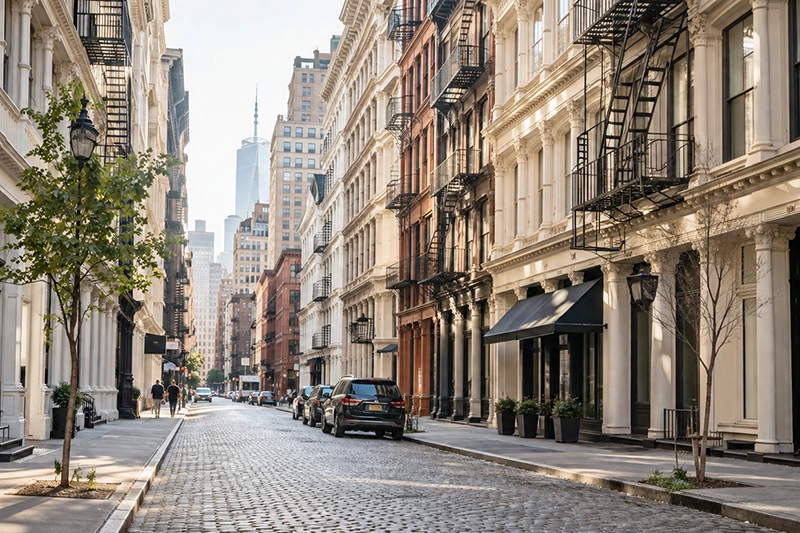
Few neighborhoods in New York City have reinvented themselves as dramatically as SoHo. Once an industrial district filled with factories and warehouses, SoHo—short for South of Houston Street—is now one of Manhattan’s most recognizable destinations, celebrated for its cast-iron architecture, designer boutiques, independent galleries, and vibrant dining scene.
Whether you’re visiting for the first time or rediscovering the neighborhood as a local, this guide highlights what makes SoHo one of New York’s most captivating places to explore.
Where Is SoHo?
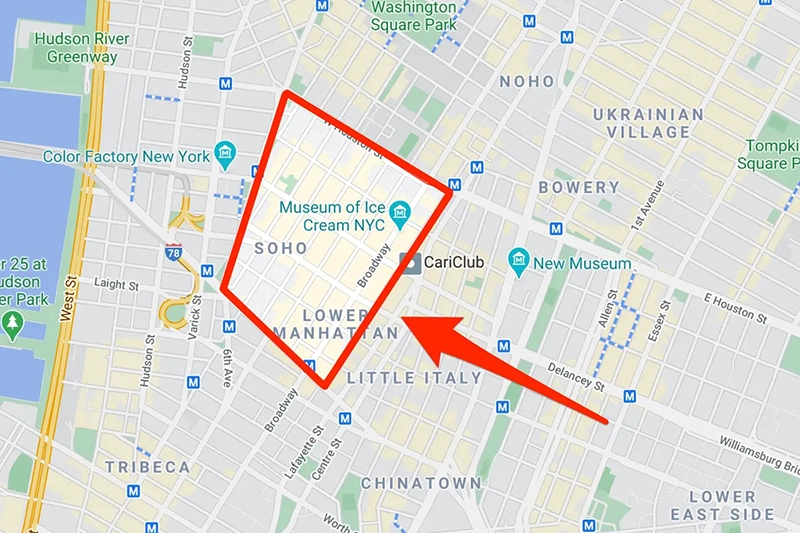
SoHo is located in Lower Manhattan and is generally bordered by:
- Houston Street to the north
- Canal Street to the south
- Lafayette Street to the east
- West Broadway (and parts of Sixth Avenue) to the west
Its central location makes it easy to reach on foot from neighboring districts including NoHo, Nolita, Chinatown, Little Italy and Tribeca.
A Brief History
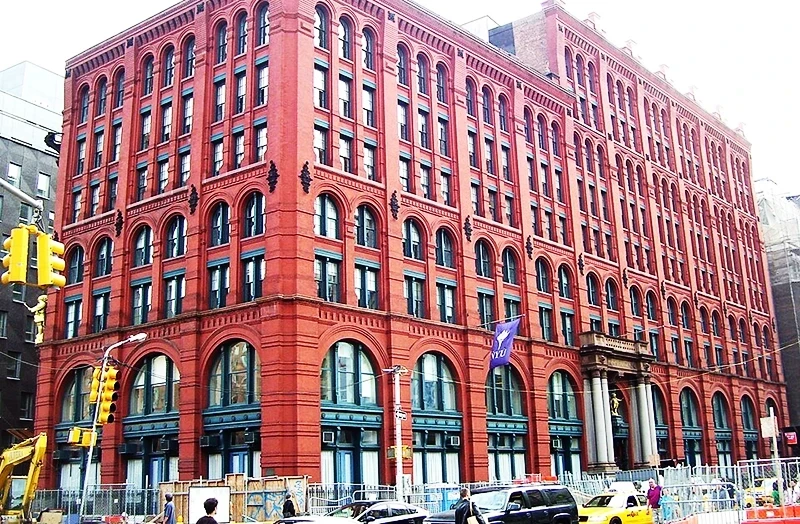
During the 19th century, SoHo was a thriving commercial district dominated by textile manufacturers, warehouses and factories. Many of the elegant cast-iron buildings that define the neighborhood today were constructed between the 1850s and 1890s.
By the mid-20th century, manufacturing had declined, leaving many buildings vacant. Artists began moving into the spacious lofts during the 1960s, transforming SoHo into one of New York’s most influential creative communities. Their arrival sparked a cultural renaissance that eventually attracted galleries, restaurants and luxury retailers.
Today, while many artists have moved elsewhere due to rising costs, SoHo continues to balance its industrial heritage with contemporary fashion, design and culture.
What Makes SoHo Unique?
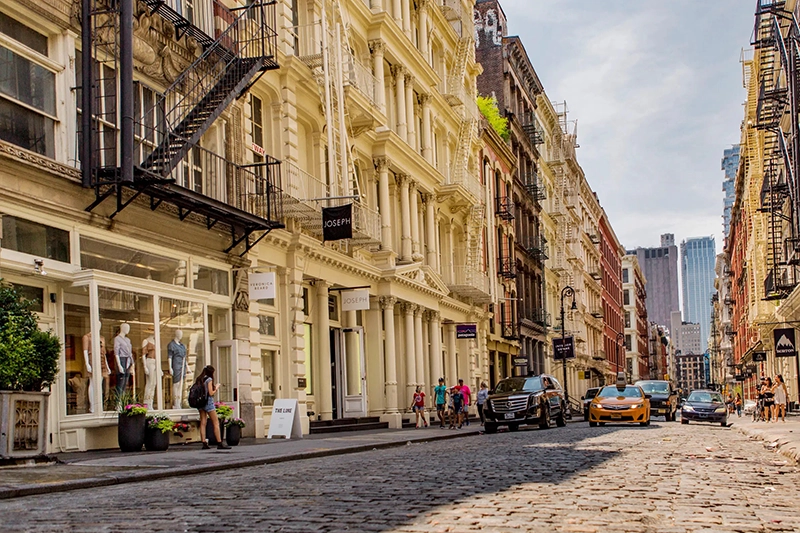
Unlike Midtown or the Financial District, SoHo is best experienced without an itinerary.
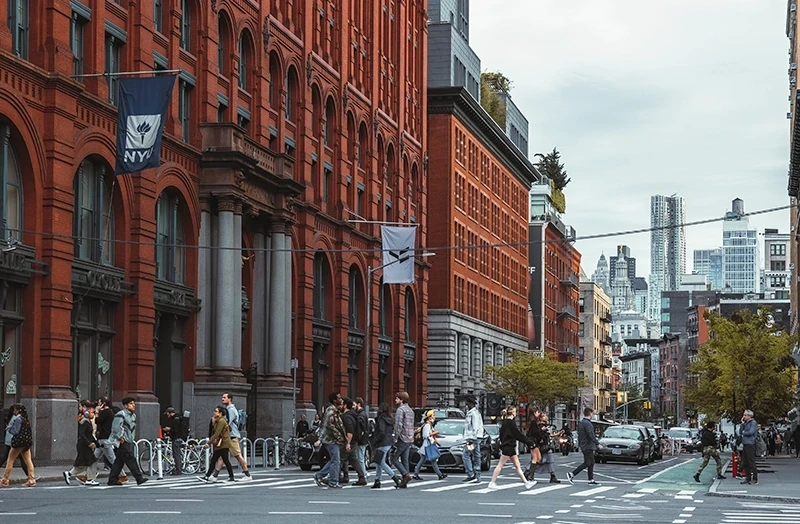
Wide sidewalks, cobblestone streets and beautifully preserved cast-iron facades encourage visitors to wander. Around nearly every corner, historic architecture meets modern retail, with independent cafés sitting alongside internationally recognized luxury brands.
The neighborhood’s atmosphere changes throughout the day—from quiet mornings with photographers capturing empty streets to bustling afternoons filled with shoppers and evenings when restaurants and wine bars come alive.
Admire the Cast-Iron Architecture
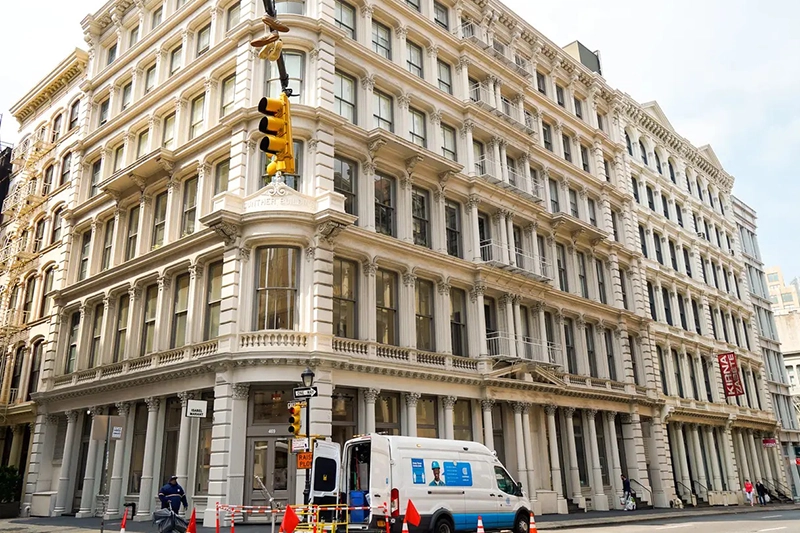
SoHo is home to the world’s largest collection of cast-iron architecture, with hundreds of buildings dating back more than 150 years.
These ornate facades were revolutionary for their time, allowing decorative architectural details to be mass-produced while supporting expansive windows that filled commercial spaces with natural light.
As you walk along Greene Street, Mercer Street, Broadway and Crosby Street, look upward—the finest details are often several stories above eye level.
Explore the Neighborhood on Foot
Some of SoHo’s most enjoyable streets include:
- Greene Street for classic cast-iron buildings and cobblestones.
- Crosby Street for a quieter atmosphere, boutique hotels and outdoor dining.
- Mercer Street for galleries, fashion and architecture.
- Prince Street for cafés, shopping and neighborhood energy.
- Spring Street for a mix of restaurants, boutiques and local businesses.
- Broome Street for historic loft buildings and hidden corners.
Every block offers a different perspective on the neighborhood’s evolution.
Shopping Beyond Luxury Labels
Although SoHo is famous for flagship stores from many of the world’s leading fashion houses, the neighborhood still rewards visitors willing to explore side streets.
Independent designers, specialty bookstores, home décor shops, beauty boutiques and carefully curated concept stores continue to give SoHo its distinctive character.
The best discoveries often happen away from Broadway, where quieter streets reveal smaller retailers with unique collections.
Coffee, Dining and Sweet Treats
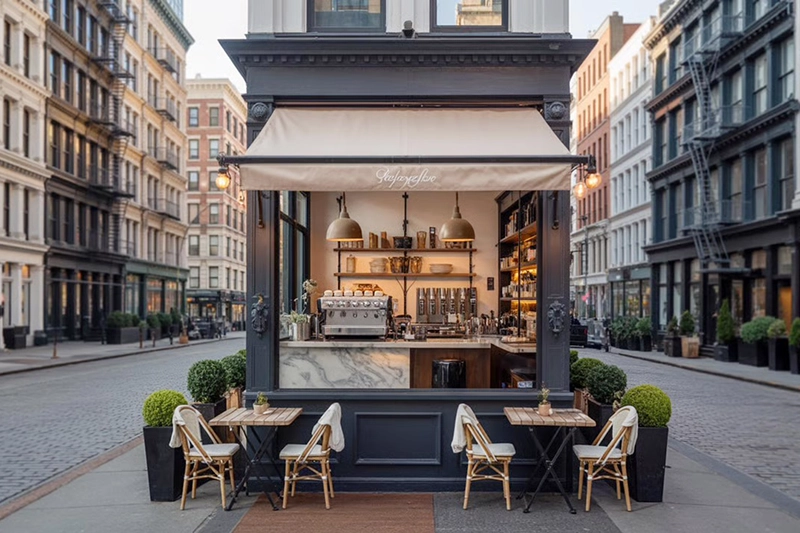
SoHo’s food scene reflects the diversity of New York itself.
Morning visitors can enjoy artisan coffee and fresh pastries before exploring the neighborhood. Throughout the day, restaurants range from casual cafés to refined Italian, French, Japanese and Mediterranean dining.
Dessert lovers will also find plenty to enjoy, from handcrafted chocolates to bakeries and seasonal ice cream shops.
Reservations are recommended for popular restaurants, particularly on weekends.
Hidden Gems
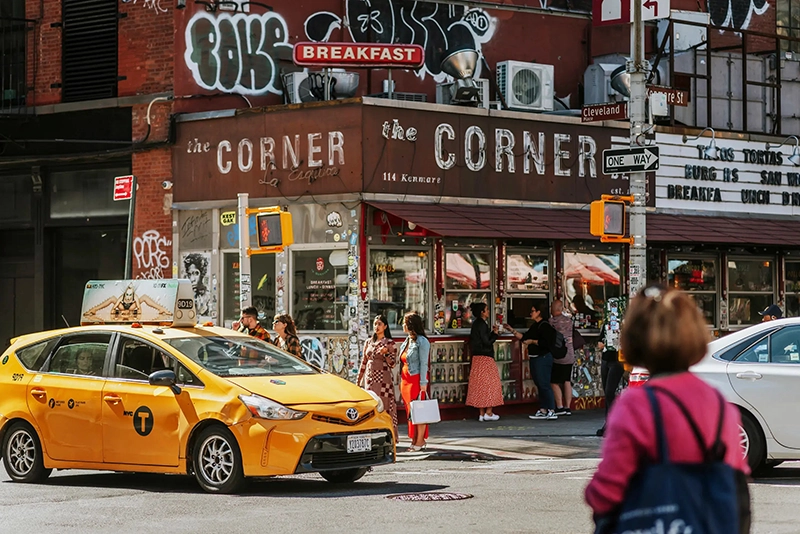
Beyond the busiest shopping corridors, SoHo offers countless details that many visitors overlook:
- Historic loading docks incorporated into elegant buildings.
- Original warehouse entrances dating back more than a century.
- Quiet side streets that feel worlds away from nearby crowds.
- Small art galleries showcasing emerging artists.
- Architectural details hidden above storefronts.
- Beautifully restored loft buildings that hint at the neighborhood’s industrial past.
Simply slowing your pace often reveals SoHo’s most memorable moments.
Best Time to Visit
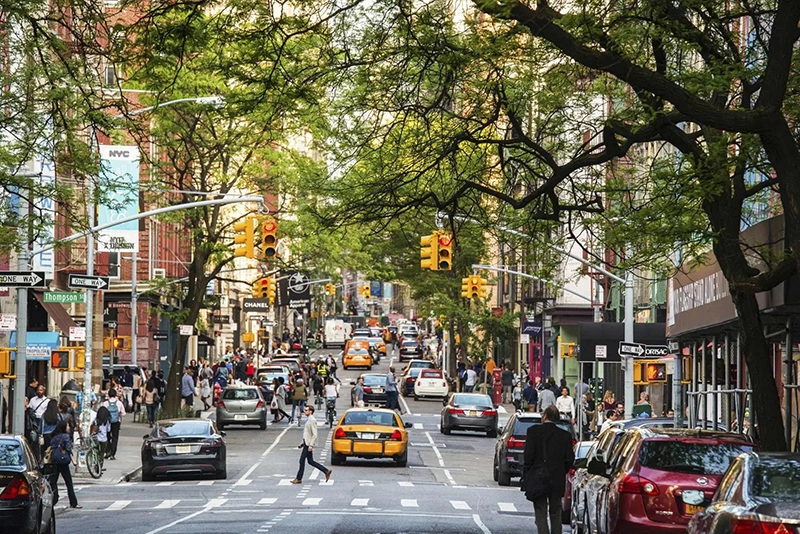
Each season offers a different experience. Spring and autumn provide comfortable temperatures for walking, while summer brings lively outdoor dining and extended daylight. During the holiday season, SoHo’s storefronts and decorated streets create one of Manhattan’s most photogenic shopping districts.
For photographers, early mornings offer the best light and the fewest crowds.
Getting There
Several subway lines provide easy access to SoHo, making it one of Manhattan’s most connected neighborhoods. Because parking is limited, public transportation or walking from nearby neighborhoods is often the easiest way to explore.
Suggested Walking Route
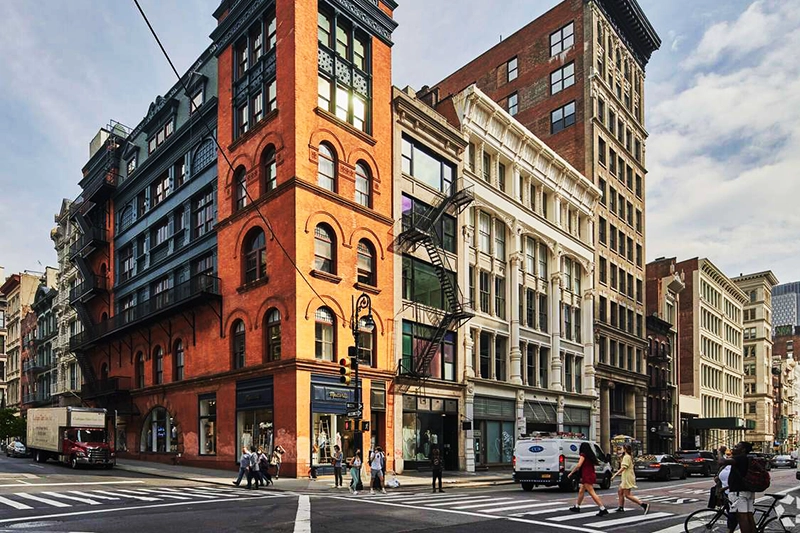
Begin near Houston Street and Broadway before making your way along Prince Street, Greene Street and Mercer Street. Continue toward Crosby Street for a quieter atmosphere, then head south to Broome Street before finishing near Canal Street.
The route can comfortably be completed in two to three hours, though many visitors spend an entire day exploring shops, restaurants and galleries along the way.
SoHo has evolved from an industrial manufacturing district into one of New York City’s most celebrated neighborhoods without completely losing sight of its past. Behind every restored facade is a story of innovation, creativity and reinvention.
Whether you’re drawn by the architecture, shopping, dining or simply the pleasure of wandering Manhattan’s historic streets, SoHo rewards curiosity. Look beyond the storefronts, take time to notice the details above eye level, and you’ll discover that one of New York’s most photographed neighborhoods still has plenty of surprises waiting to be found.