New York City has always been a place where transportation innovations make a statement — from the opening of the subway in 1904 to the introduction of Citi Bikes. Now, another historic first has rolled into the Big Apple: driverless buses. This month, a small fleet of autonomous, electric shuttles officially began ferrying passengers along select routes, marking a milestone in the city’s transit history.
The move has sparked curiosity, skepticism, and a surprising amount of enthusiasm among New Yorkers who are famously hard to impress.
The Future Arrives on Four Wheels
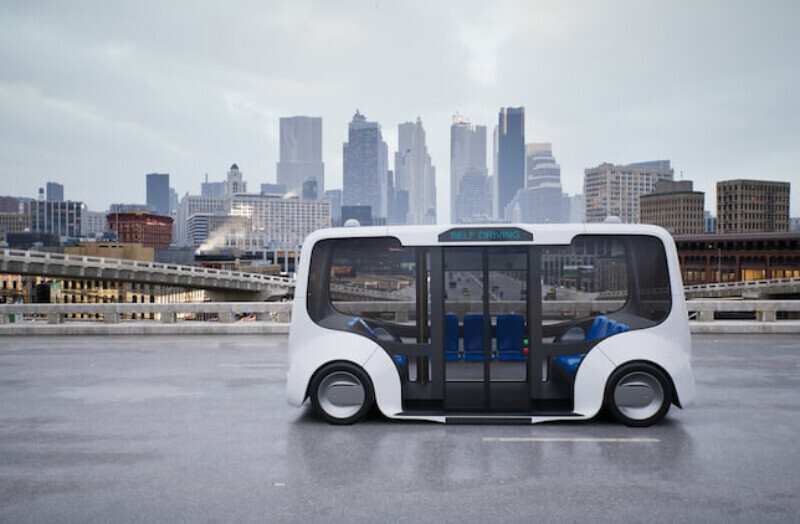
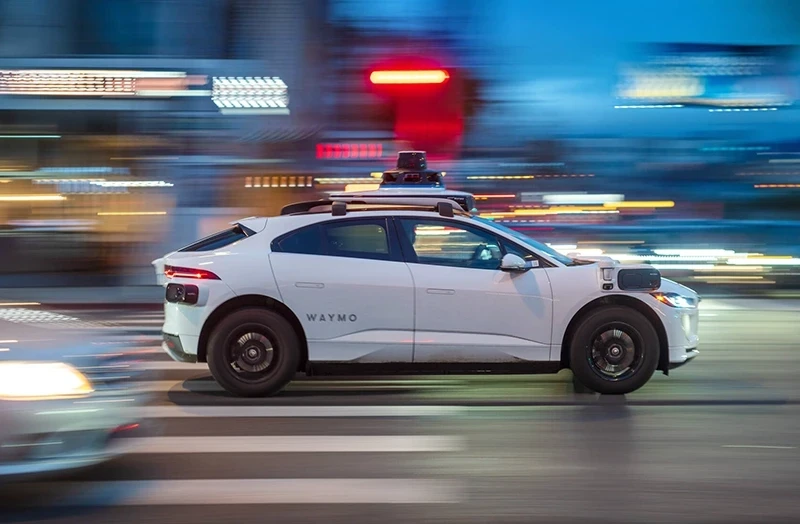
The first phase of the program is operating in Manhattan and Brooklyn, connecting short transit gaps in busy neighborhoods. These shuttles, which seat about 12 passengers, are fully electric and guided by advanced LiDAR sensors, GPS mapping, and onboard cameras. While there’s no traditional driver, a trained safety operator rides along during this pilot stage to handle emergencies and reassure passengers.
The Metropolitan Transportation Authority (MTA) partnered with a tech startup specializing in autonomous mobility to launch the pilot. The aim is to see how well the buses can handle New York’s famously chaotic streets, unpredictable weather, and the occasional jaywalking pigeon.
Reactions from the First Riders
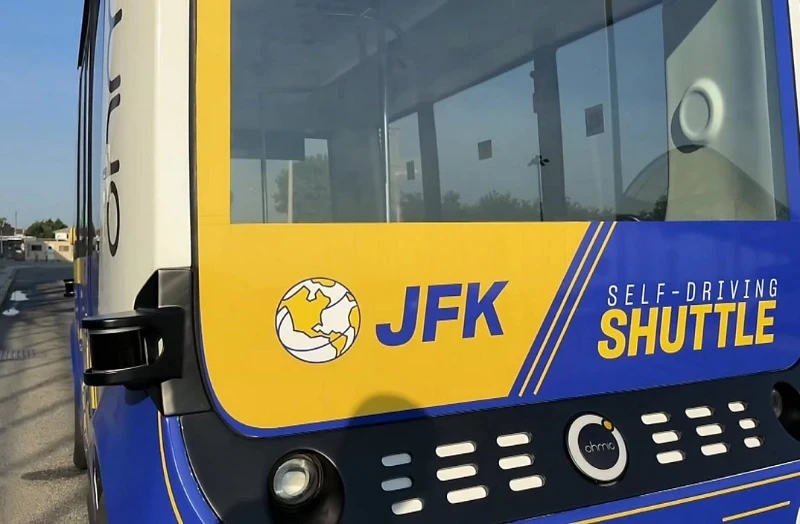
For some, stepping onto a bus without a driver at the wheel was surreal. “It felt like something out of a sci-fi movie,” said Emily Ruiz, a Lower East Side resident who tried the service on opening day. “At first, I kept glancing at the front, waiting to see someone steering. But it was smooth — smoother than a lot of regular buses I’ve taken.”
Others admit they were skeptical. “I didn’t trust it at first,” laughed Bronx commuter Darren Williams. “I kept thinking — what if the Wi-Fi cuts out? But then I remembered, it’s not actually running on Wi-Fi. After five minutes, I forgot it was driving itself.”
Parents with strollers and older passengers have noted the convenience of the shuttle’s precise stops, which align almost perfectly with curbs. “It didn’t jerk or slam on the brakes,” said 72-year-old Helen Matthews. “It’s like it knew I was holding onto my grocery bags.”
How It Works
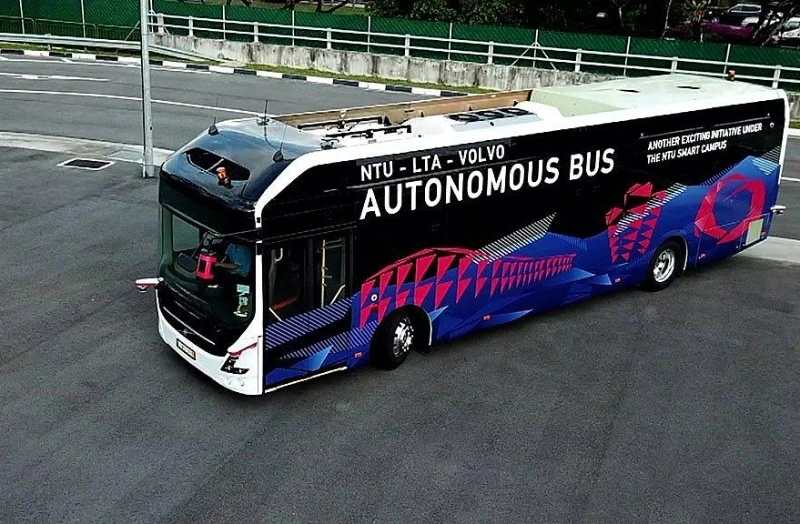
These driverless buses rely on a combination of high-definition mapping and AI-powered algorithms. LiDAR technology creates a 3D image of the surrounding streetscape, detecting pedestrians, cyclists, and vehicles in real time. The AI can make rapid decisions — from slowing down for an approaching delivery truck to rerouting around construction.
The buses are capped at a modest 25 mph, prioritizing safety over speed. Routes are geofenced, meaning the shuttles can only operate in areas that have been thoroughly mapped and tested.
Potential Benefits for NYC
If the pilot proves successful, autonomous buses could help fill transportation gaps in outer boroughs and late-night hours, when traditional bus service is sparse. Advocates argue that driverless shuttles could free up human operators for more complex routes, reduce traffic congestion, and cut emissions through their all-electric operation.
There’s also a financial angle: autonomous buses could eventually lower operational costs for the MTA, though union negotiations and labor concerns will likely shape how far and how fast the technology expands.
Not Everyone’s On Board
While many early riders are excited, not all feedback is glowing. Some passengers worry about how the buses will handle New York’s more unpredictable moments — like a sudden street parade or heavy snow. “I’m not convinced they can deal with a full-on Midtown gridlock,” said taxi driver Mike Russo.
Privacy advocates have also raised concerns about the onboard cameras, which record both the road and the interior for safety monitoring. The MTA has stated that footage is stored securely and only reviewed in case of incidents.
The Road Ahead
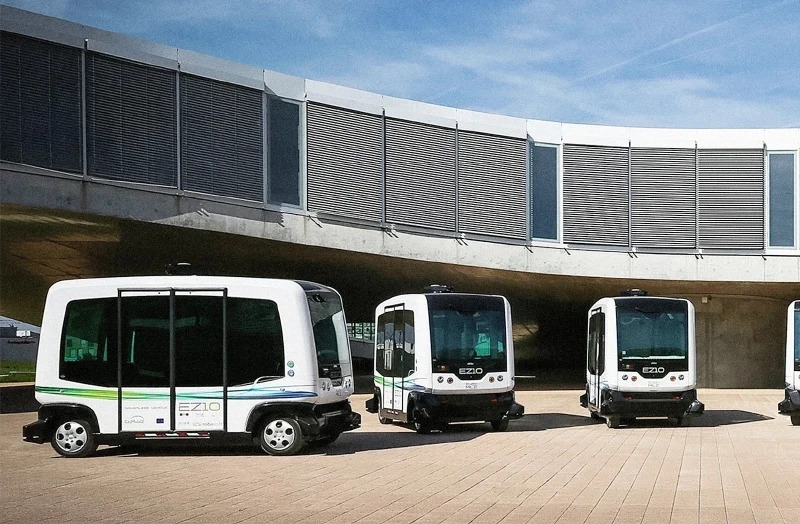
The current pilot will run for six months, with data collected on performance, ridership, and public sentiment. If results are positive, additional routes — potentially in Queens and Staten Island — could launch by late next year.
City officials emphasize that the goal isn’t to replace drivers overnight but to integrate autonomous tech where it makes the most sense. “This is about giving New Yorkers more options, not taking them away,” said MTA spokesperson Laura Chen.
For now, the driverless buses are attracting more smiles than frowns. Tourists stop to take photos, commuters sneak videos for social media, and children wave as the sleek, compact vehicles glide by with no one in the driver’s seat.
And while it may take time for all New Yorkers to trust a bus without a human hand on the wheel, one thing is clear: the city’s transit future just got a little more futuristic.
The next time you’re waiting at a curb in Lower Manhattan or Downtown Brooklyn, don’t be surprised if your ride pulls up without a driver — just a quiet hum, a friendly safety attendant, and a whole lot of 21st-century technology doing the steering.