For years, smartphones have become as common on restaurant tables as water glasses and dinner menus. Whether snapping photos of meals, answering work emails, or endlessly scrolling through social media, many diners have found it difficult to disconnect. Now, a growing number of New York City restaurants are encouraging guests to do exactly that, embracing a phone-free approach that is quickly gaining attention across the city’s dining scene.
The movement isn’t about rejecting technology altogether. Instead, it’s about restoring something many believe has been lost: genuine conversation, meaningful connection, and a more immersive dining experience.
Restaurants across Manhattan, Brooklyn, and other boroughs are experimenting with various approaches. Some politely request that guests keep phones tucked away during meals. Others offer incentives such as complimentary appetizers or desserts for tables that agree not to use their devices. A handful have adopted stricter policies, asking customers to silence and store their phones while dining, allowing exceptions for emergencies.
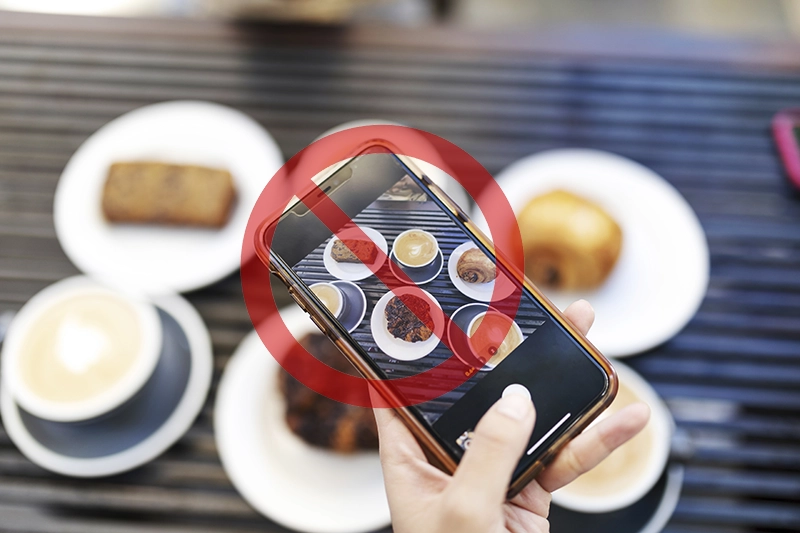
Restaurant owners say the goal is simple—help guests become fully present.
Many chefs spend hours preparing carefully crafted dishes only to watch them cool while customers stage the perfect Instagram photo or respond to text messages. By reducing phone use, restaurants hope diners focus more on flavors, conversations, and the overall atmosphere rather than the screen in front of them.
The trend also reflects changing consumer attitudes. After years of constant digital connectivity, many New Yorkers are actively searching for opportunities to unplug. Wellness retreats, digital detox vacations, meditation apps, and screen-time management tools have all grown in popularity, and dining is becoming another space where people seek a break from technology.
For couples on dates, phone-free dining can create a noticeably different experience. Instead of awkward pauses filled with scrolling, conversations tend to last longer and feel more engaging. Families also report that children and parents interact more naturally when phones are removed from the table, turning dinner into shared quality time rather than parallel screen sessions.

Business meals benefit as well. Networking lunches and client dinners often become more productive when participants aren’t interrupted by constant notifications. Eye contact increases, discussions flow more smoothly, and meetings often conclude with stronger personal connections.
Interestingly, younger diners appear more receptive to the concept than some might expect. While Generation Z is often viewed as permanently attached to smartphones, many younger consumers are leading the broader digital wellness movement. Social media fatigue, notification overload, and concerns about mental health have encouraged many to seek environments where disconnecting feels socially acceptable rather than inconvenient.
New York City, with its fast-paced lifestyle and demanding work culture, provides fertile ground for the trend. Residents spend much of their day connected to phones for commuting, business communication, navigation, and entertainment. A restaurant meal may be one of the few opportunities to completely step away from the digital world for an hour or two.
Of course, phone-free policies are not without critics. Some customers argue that they should decide how to use their devices while dining. Others point out practical concerns, including the need to remain reachable for childcare, elderly relatives, or urgent work responsibilities. Most restaurants introducing these policies recognize those realities and generally allow reasonable exceptions.
Hospitality experts suggest that success depends largely on how restaurants communicate their expectations. Friendly requests and positive messaging tend to receive a warmer response than strict enforcement. Diners are often more willing to participate when the experience is framed as enhancing conversation rather than imposing restrictions.
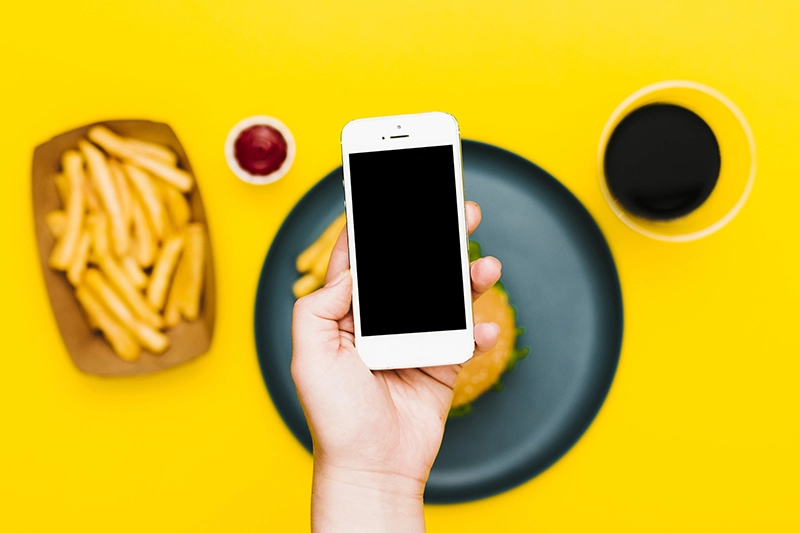
Social media presents another interesting contradiction. Many restaurants have built their popularity through viral food photography and influencer marketing. Asking guests to limit phone use could reduce the free online exposure that has become a valuable marketing tool. To balance both goals, some establishments encourage guests to take a few quick photos before putting phones away for the remainder of the meal.
The concept may also appeal to tourists looking for a memorable New York dining experience. In a city famous for constant movement and digital overload, a restaurant offering uninterrupted conversation can feel surprisingly refreshing. Rather than remembering the evening through a camera roll, guests leave with memories created through face-to-face interaction.
Industry observers believe the phone-free movement is unlikely to replace traditional dining, but it could become an increasingly common option, especially among upscale restaurants, neighborhood bistros, and chef-driven establishments that emphasize atmosphere alongside cuisine.
As more New Yorkers embrace digital wellness, restaurants are finding that one of the simplest ways to stand out isn’t introducing another flashy technology—it may be encouraging customers to forget about technology altogether.
In a city where every minute is connected, every notification competes for attention, and every meal can become content for social media, the growing popularity of phone-free restaurants offers something increasingly rare: uninterrupted time with the people sitting across the table.