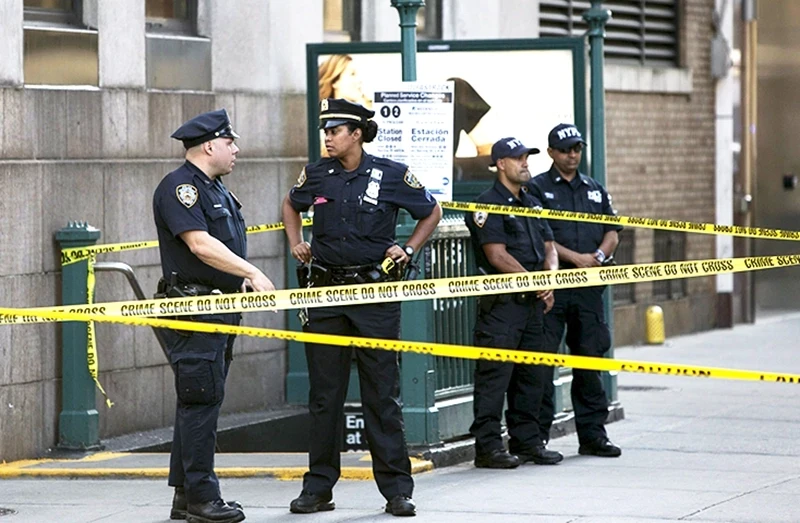
NEW YORK – The NYPD’s latest quarterly crime statistics, released this morning, reveal a complex and shifting landscape of public safety across the five boroughs. While citywide major felony crimes showed a marginal decrease of 2% compared to the same period last year, the data, obtained and analyzed by Manhattan Dispatch, uncovers stark geographic disparities, with one borough experiencing a sharp and concerning spike in violent crime.
The report, which covers the first quarter of the year, indicates that the overall dip is largely attributed to a significant reduction in property crimes citywide. However, this silver ring is darkened by a rise in several key violent crime categories, concentrating in specific precincts and raising fresh concerns among community leaders and law enforcement officials.
The Bronx Bears the Brunt
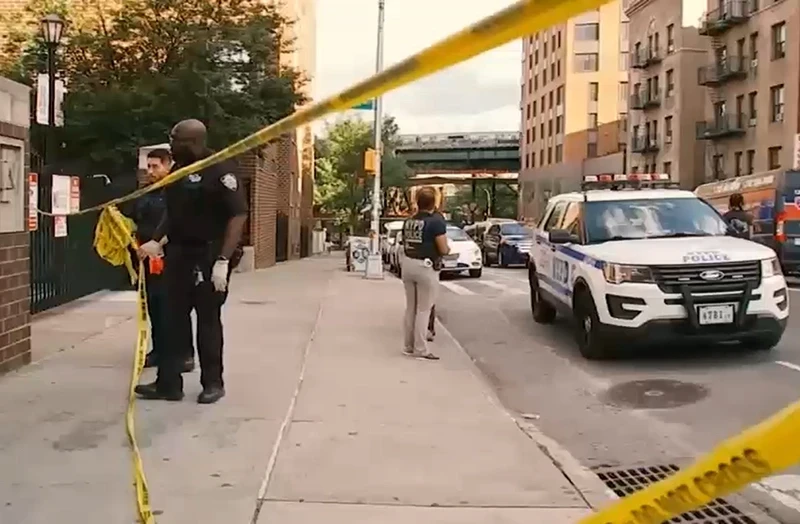
A deep dive into the data confirms The Bronx as the epicenter of the city’s crime increase for the quarter. The borough recorded a 9% overall increase in major felony crimes, the highest jump citywide. This was driven primarily by a staggering 14% year-over-year rise in robberies and an 11% increase in felony assaults. Grand larceny auto (GTA) also continued to plague the borough, rising by 7%.
“These numbers aren’t abstract; they represent real people feeling less safe in their communities,” said a precinct commander from the 44th Precinct, who spoke to Manhattan Dispatch on condition of anonymity as they are not authorized to speak publicly on the data. “We’re seeing organized theft rings targeting specific models of cars and a troubling trend of violent disputes escalating quickly. Our focus is on precision policing—targeting the specific gangs and crews we know are responsible for this violence.”
Brooklyn’s Mixed Bag
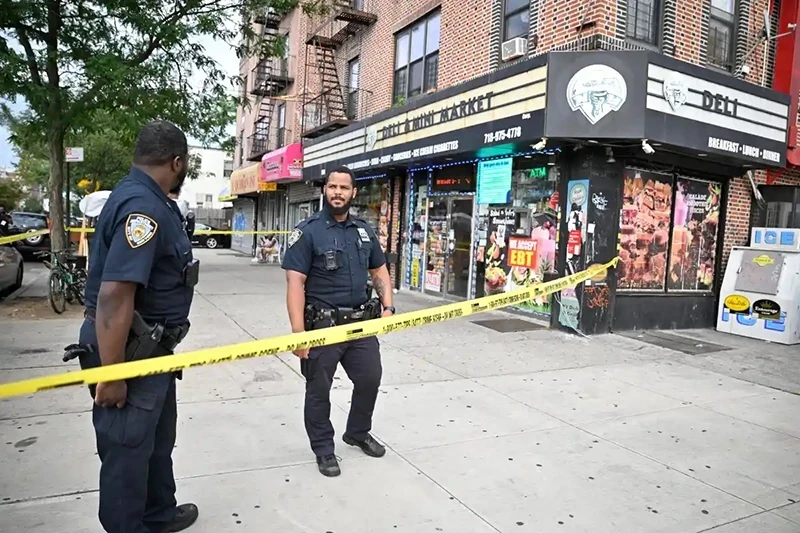
The story in Brooklyn is one of dichotomy. While the borough overall saw a modest 1% decrease in major crime, this figure masks severe volatility at the precinct level. Areas in North and Central Brooklyn, including the 73rd and 75th Precincts, continued to experience elevated rates of violent crime, particularly robberies. Conversely, Southern precincts saw improvements, pulling the borough’s average down. The number of shootings borough-wide held steady, showing neither significant improvement nor decline.
Manhattan, Queens See Stabilization
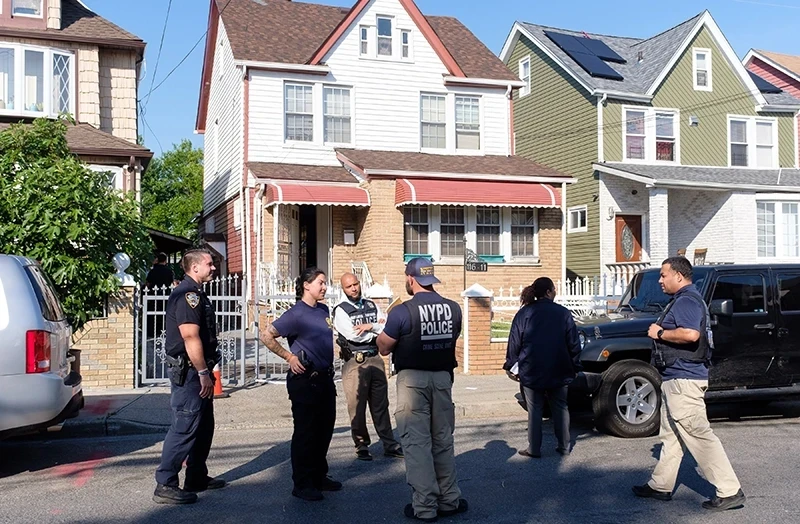
Manhattan and Queens presented the most positive trends in the report, both registering overall decreases in major crime—3% and 4%, respectively. In Manhattan, a continued strong post-pandemic return of tourism and foot traffic in commercial areas like Midtown South has correlated with a notable drop in street robberies. However, the borough continues to grapple with persistent challenges, including a 5% rise in transit crimes, particularly on the subway lines serving northern Manhattan.
Queens’s improvement was broadly based, with nearly every major crime category showing stability or slight decline. The 109th Precinct, covering Flushing, was a standout, reporting a double-digit percentage decrease in robberies.
Staten Island’s Specific Struggle
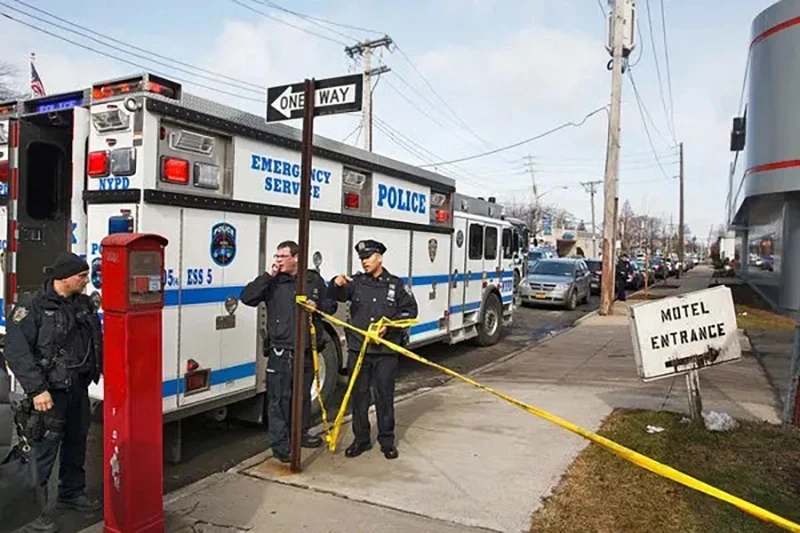
Staten Island’s data was largely stable, with one glaring exception: grand larceny auto. The borough saw a 12% surge in stolen vehicles, a problem that has disproportionately affected residential neighborhoods in the island’s mid-section. Police attribute the spike to social media trends highlighting the ease of stealing certain Kia and Hyundai models.
Beyond the Headlines: What the Data Means
Experts caution that quarterly data provides a snapshot, not the full picture.
“You have to be careful not to over-interpret a single quarter,” said Dr. Lena Moss, a criminologist at John Jay College. “What we’re likely seeing is the concentration of crime into specific ‘hot spots’ and around specific crime types, like auto theft. The citywide number is stable, but the local experience for residents in The Bronx or parts of Brooklyn is vastly different and more acute. The challenge for the NYPD is addressing these hyper-localized surges without resorting to the broad-brush tactics of the past.”
The NYPD has announced plans to deploy additional patrol units and community response teams to the precincts hardest hit by the increases, specifically naming several in The Bronx and North Brooklyn.
The full crime stat report is available on the NYPD’s website. Manhattan Dispatch will continue to track these trends and provide ongoing analysis on the policies and strategies deployed to address them.