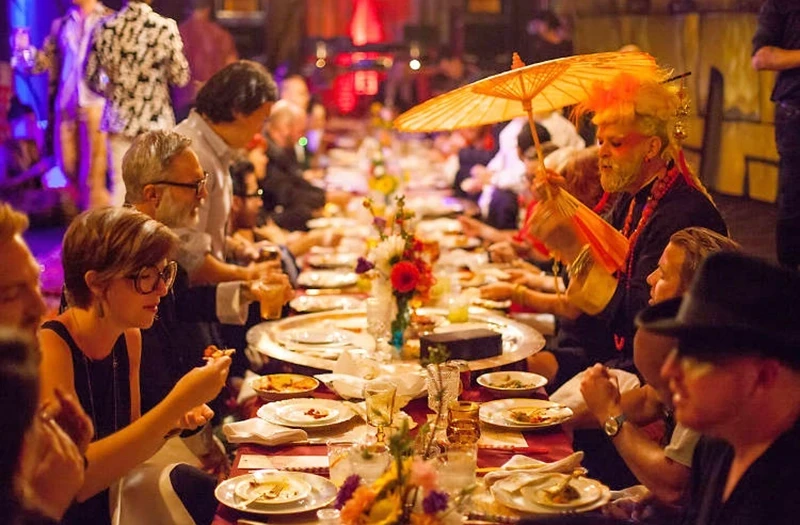
When diners step into New York City’s elite restaurants, they expect a seamless culinary experience — from pristine oysters flown in from the French coast to Japanese wagyu grilled to perfection. But behind the kitchen doors, chefs are facing a new reality: global shipping delays are reshaping what lands on the plate, forcing even the most prestigious kitchens to pivot in ways that would have seemed unthinkable just a few years ago.
In recent months, disruptions at international shipping hubs and bottlenecks in the global supply chain have made it increasingly difficult to source certain luxury ingredients. Imported truffles, rare fish, specialty spices, and premium cuts of meat are either arriving late, arriving in compromised condition, or not arriving at all. For chefs whose reputations rely on consistency and exclusivity, that spells both logistical headaches and creative opportunity.
From Panic to Reinvention
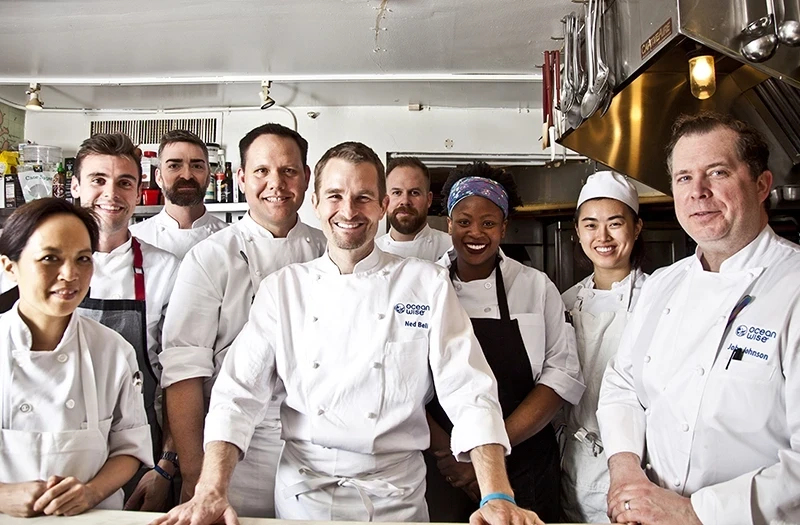
Chef Julian Marquez of SoHo’s celebrated restaurant Terra & Sea describes the shift bluntly:
“We used to design the menu around what was arriving from Europe that week. Now, we design the menu around what we can actually get in the building — and it’s often not what we ordered.”
Marquez recalls waiting three weeks for a shipment of Italian burrata that never cleared customs. Instead of scrapping his dish, he substituted a locally made stracciatella cheese from upstate New York. The result? A new signature plate that has since won praise from critics.
Stories like his are playing out across the city. Rather than viewing shortages as failures, chefs are embracing them as challenges that spark creativity.
The Rise of Local Alternatives
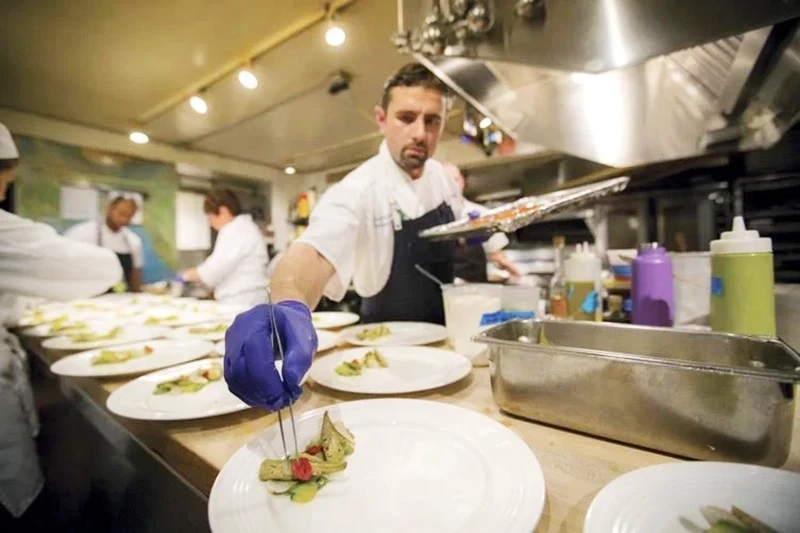
One clear effect of supply chain disruption is a stronger spotlight on local producers. With imports unreliable, restaurants are forging deeper relationships with Hudson Valley farms, Long Island fisheries, and even Brooklyn-based specialty food makers.
Chef Emily Cho of Midtown’s Maison d’Or said she’s sourcing more regional seafood to replace unavailable European shellfish. “Clams from Long Island Sound, oysters from Cape Cod — these are fantastic ingredients that just didn’t get enough credit before. The delays pushed us to rediscover them,” Cho said.
This shift has also meant shorter, more flexible menus. Daily specials are replacing set lists, giving chefs room to adjust based on what comes through the door.
A New Era of Transparency with Diners
At the same time, the crisis is changing how restaurants communicate with their clientele. Where substitutions might once have been concealed, chefs are now leaning into transparency, proudly highlighting local swaps or inventive twists. Diners, who have grown more aware of global disruptions since the pandemic, are responding positively.
“It’s no longer a disappointment when you can’t get French Dover sole,” said restaurant critic Marco Taverna. “Instead, it feels like you’re part of a global moment — you see how chefs adapt, and it actually makes the dining experience more exciting.”
The Luxury Factor
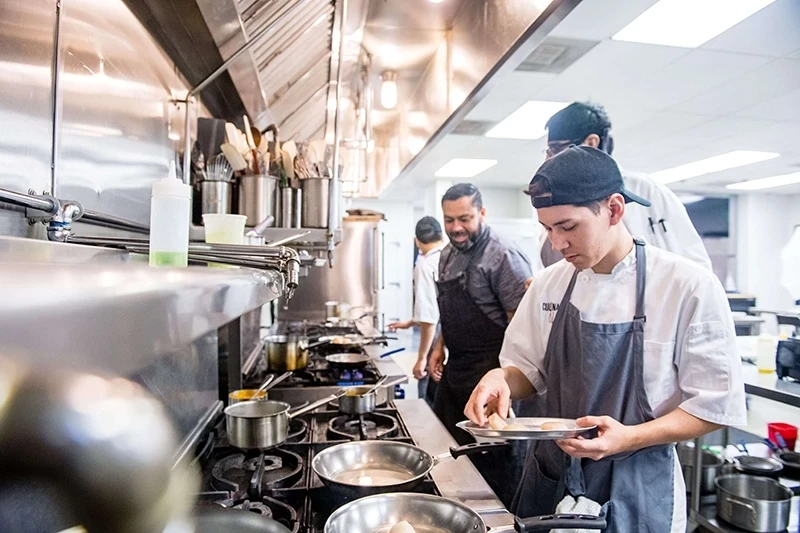
Still, not all diners are forgiving. In Manhattan’s high-stakes luxury dining scene, exclusivity is the brand. For Michelin-starred establishments charging $400 per tasting menu, missing a rare imported ingredient can feel like a betrayal. Some restaurants have resorted to air-freighting perishables directly, despite skyrocketing costs.
But others are embracing the shift as a way to redefine luxury. “The true luxury today is resilience,” said Chef Marquez. “Anyone can fly in caviar if they have enough money. But creating something extraordinary from what’s here, right now — that’s the future.”
Global shipping delays are unlikely to ease overnight, and New York’s top chefs are realizing that the new normal may not include reliable imports. But in the city that thrives on reinvention, constraints are becoming catalysts. The result is a dining landscape that’s less about global homogeneity and more about hyper-local ingenuity.
For diners, that means one thing: the next time you order at one of New York’s culinary temples, expect the unexpected.