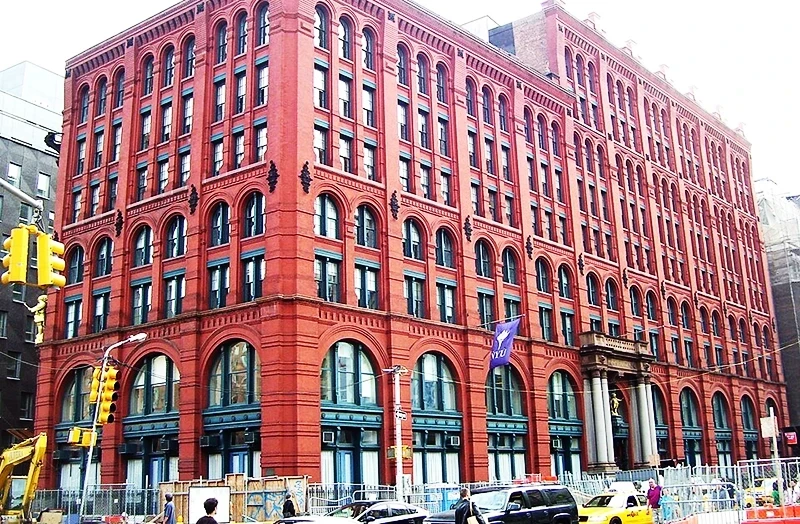
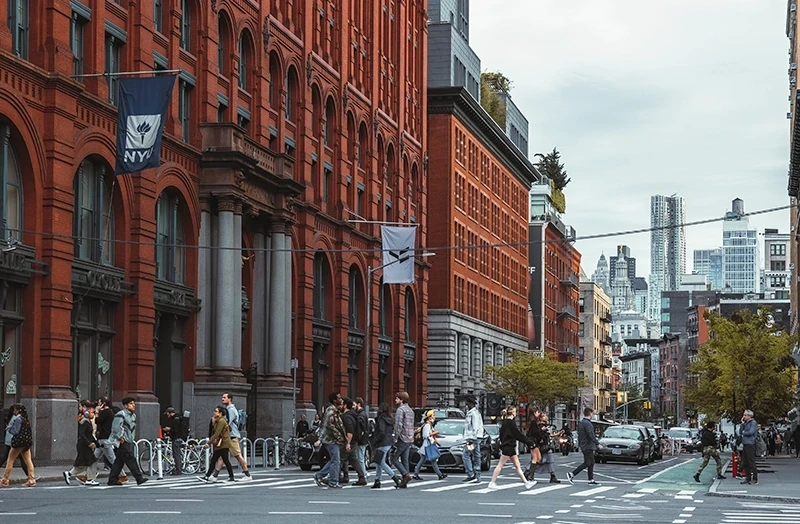
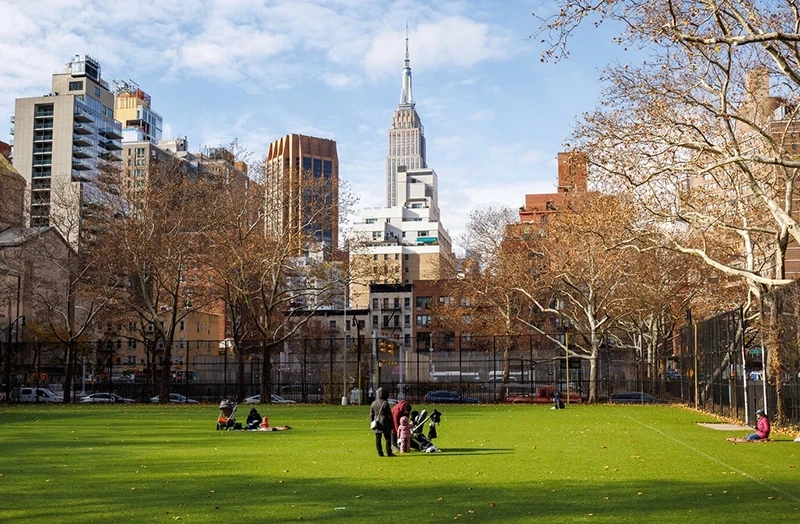
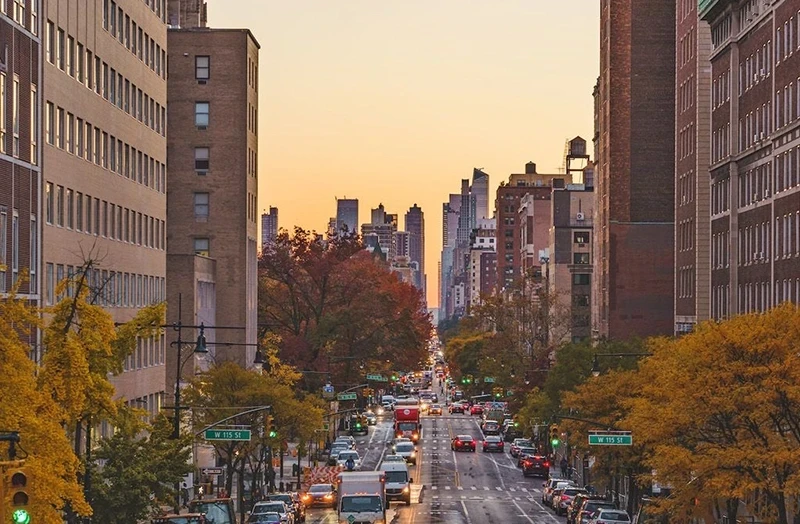
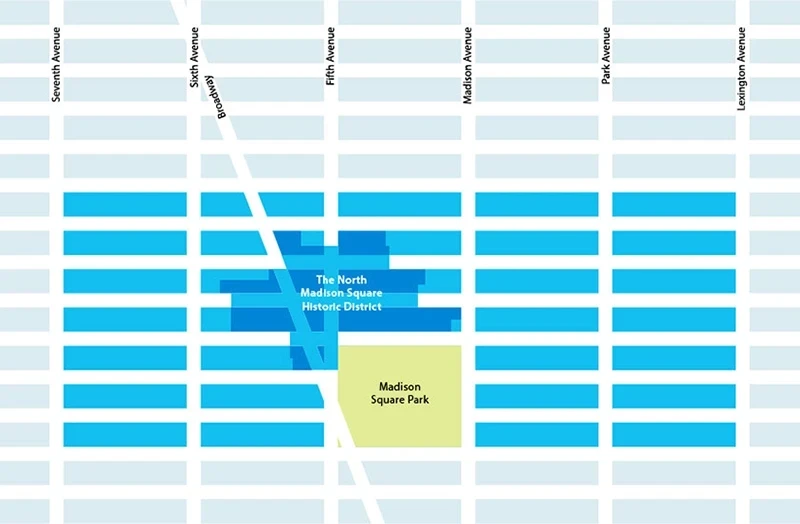
Nestled between the glimmering glass towers of luxury condos and the trendy cafes of NoMad, a quieter, almost forgotten world persists: Manhattan’s remaining garment warehouses. Once the throbbing heart of New York’s textile and wholesale trade, this neighborhood — North of Madison Square Park — still houses a handful of these industrial relics, quietly defying the city’s relentless reinvention.
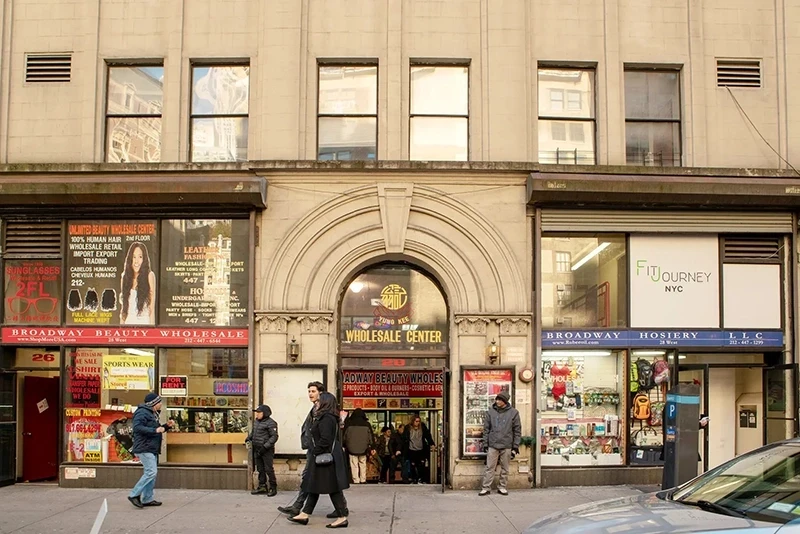
Walk down West 25th or 26th Street, and amid the polished storefronts and boutique hotels, you might notice the unassuming steel roll-up doors of the few warehouses that remain. Inside, time seems to slow. Stacks of bolts of fabric in every imaginable color and pattern dominate the space, while workers meticulously sort, fold, and package inventory, preserving the traditions of an industry that once fueled Manhattan’s economy. For locals who remember the NoMad of the 1980s and ’90s, these spaces are a nostalgic tether to the city’s garment past.
“The neighborhood has changed so much,” says Javier Morales, whose family has operated a wholesale fabric business on 25th Street for over four decades. “But we’re still here because there’s a demand for quality and speed that online stores can’t match. Our clients still come from all over the city and the country.”
These warehouses are far from glamorous. The interiors are utilitarian, with exposed beams, concrete floors, and minimal lighting. But the owners argue that their simplicity is a strength: it’s all about function, speed, and accessibility. Many of these businesses supply designers, small boutiques, and even Broadway costume shops. Despite the neighborhood’s shift toward high-end dining and luxury residences, the pulse of wholesale commerce beats quietly within these walls.
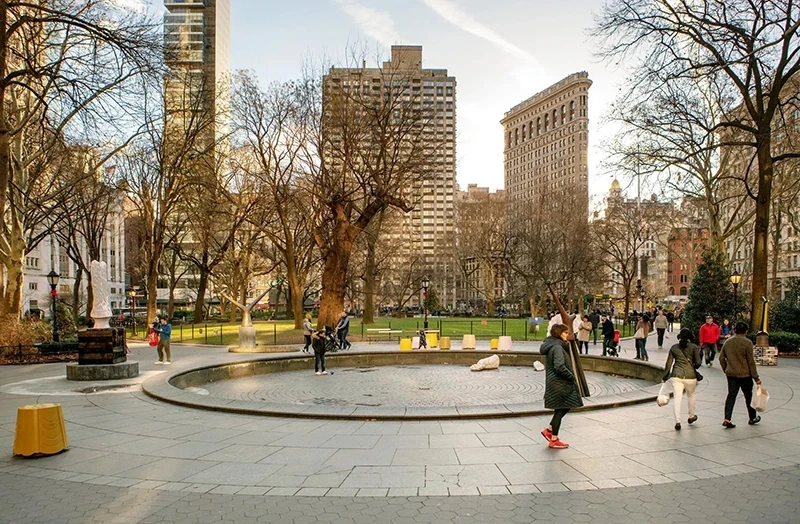
Real estate experts say the tension between preservation and development is palpable. A surge of new projects, including luxury condos, boutique hotels, and co-working spaces, has dramatically increased rents. Many longtime operators have been forced to relocate to Brooklyn or Queens. Yet, a few stubborn warehouses have managed to negotiate leases or own their buildings outright, holding onto a slice of NoMad’s industrial heritage.
For visitors and newer residents, these warehouses are almost invisible. There are no flashy signs or Instagram-worthy facades; instead, they function as hidden arteries of New York’s fashion ecosystem. Walking past them, one might not realize that the same streets now lined with trendy coffee shops and Michelin-starred restaurants were once the backbone of America’s garment industry.
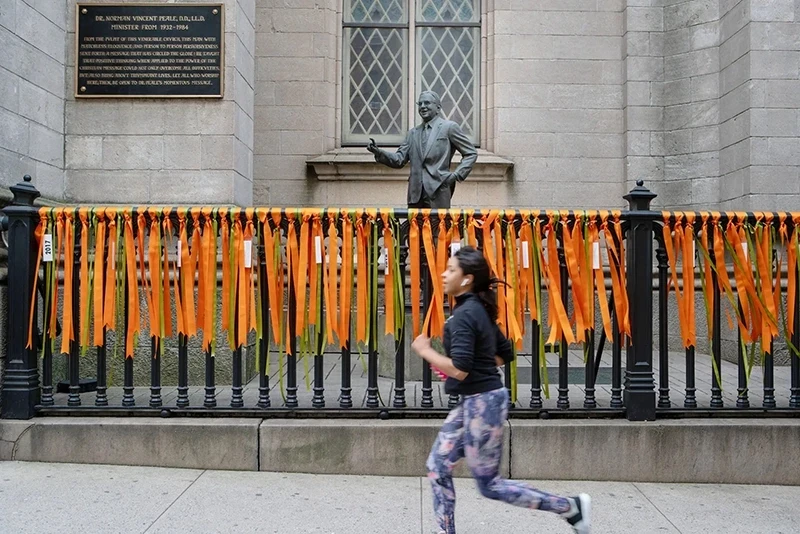
Some experts see these remaining warehouses as cultural touchstones. “They’re living history,” says urban historian Melissa Grant. “NoMad wouldn’t be what it is today without the people who worked in these spaces. Preserving them is about more than just real estate; it’s about remembering a neighborhood’s identity.”
As NoMad continues to evolve, the future of these warehouses remains uncertain. Rising rents, redevelopment pressure, and changing commercial zoning rules threaten to erase what little remains. Yet for now, they persist — quiet, industrious, and surprisingly resilient, the last keepers of a trade that helped shape Manhattan into the global fashion capital it remains today.