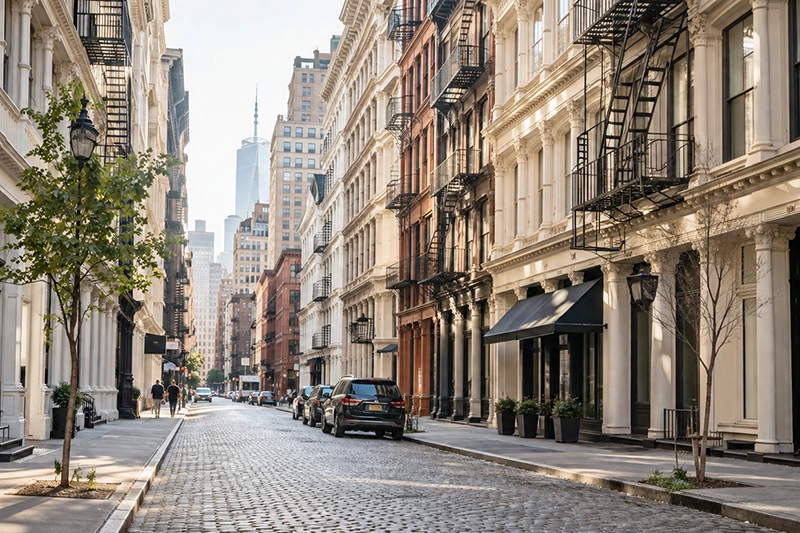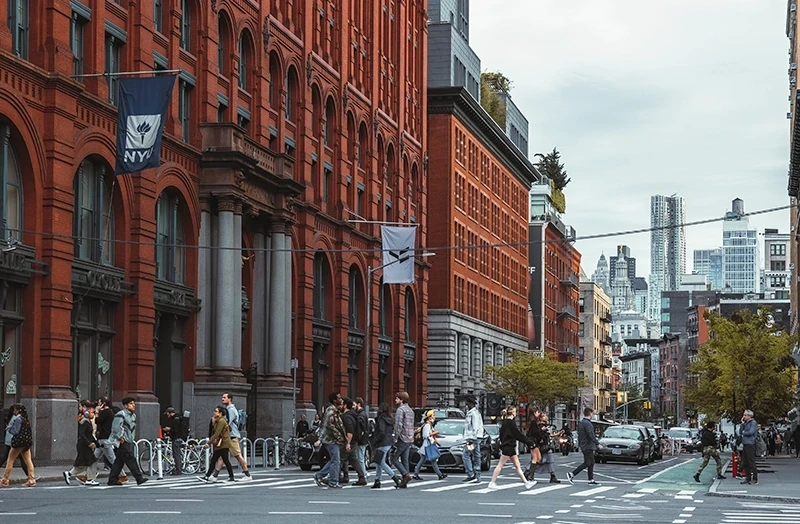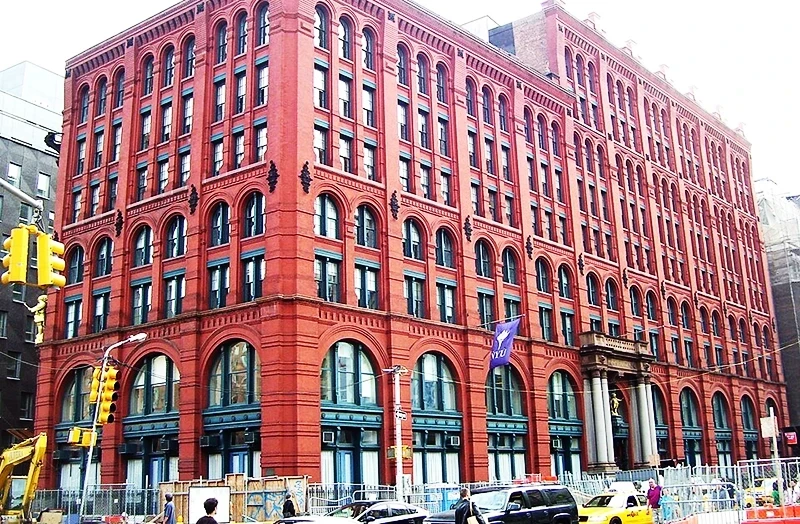
Once a gritty pocket of downtown Manhattan defined by tenements and small-scale industry, Nolita—short for “North of Little Italy”—has undergone one of the city’s most dramatic economic transformations. Today, the neighborhood is a polished destination for luxury retail, upscale dining, and high-priced real estate. Its rise from humble industrial roots to an international symbol of chic urban living mirrors the broader shifts in New York’s economic engine and cultural identity.
From Factories to Flats
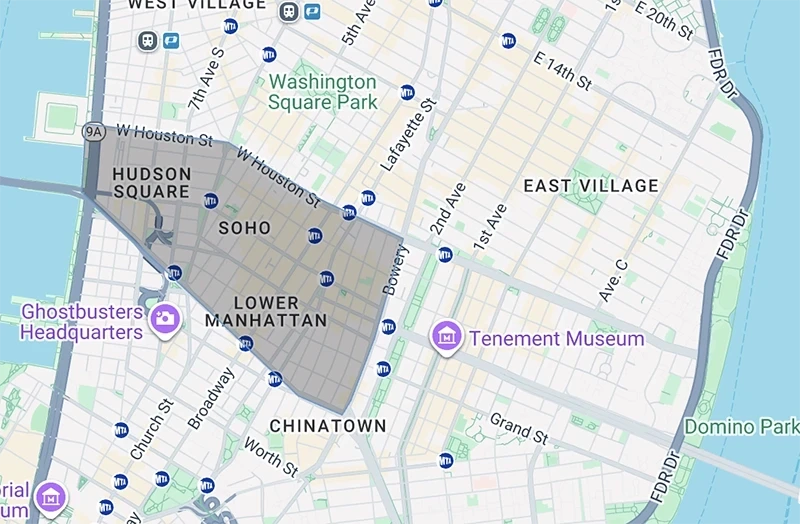
Nolita’s story begins in the mid-19th century, when waves of Italian immigrants settled into the area. Back then, the neighborhood was synonymous with crowded housing and sweatshops. Garment factories, metal workshops, and small industrial warehouses kept the streets humming with activity. Rents were cheap, and the neighborhood was defined more by survival than style.
The factories provided steady work, but they also embedded Nolita with the grit and grime that earned downtown its working-class reputation. By the 1970s, as manufacturing industries began to flee New York for cheaper labor markets overseas, Nolita’s factories closed their doors. What remained was a neighborhood left in limbo: a blend of vacant storefronts, lingering immigrant families, and an undercurrent of possibility that only a few visionaries could see.
The First Wave of Reinvention
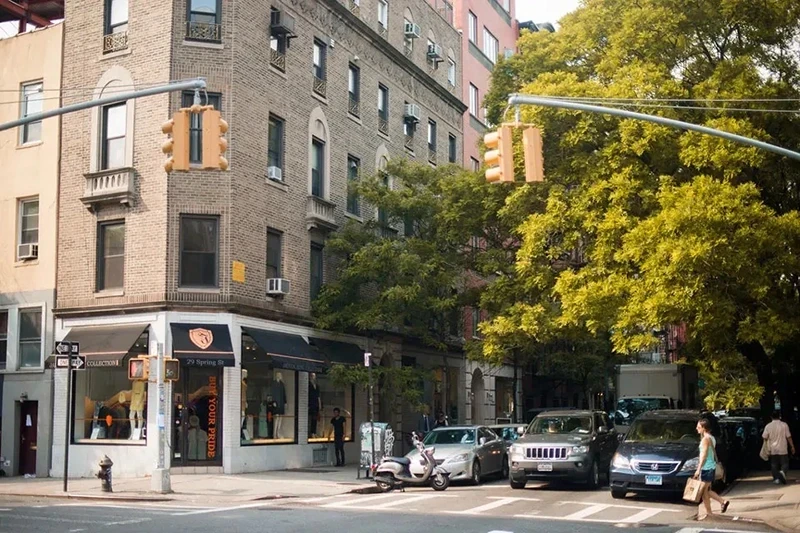
The 1980s and early 1990s brought the first signs of Nolita’s rebirth. Artists priced out of SoHo discovered its lofts and storefronts, converting once-functional spaces into studios and galleries. Trendsetters and entrepreneurs followed, opening experimental boutiques and cafés.
But Nolita was different from SoHo’s gallery scene or the East Village’s punk ethos. Its small, irregular blocks and quieter vibe fostered an air of exclusivity. For pioneers in fashion and design, Nolita offered a blank canvas just far enough removed from the chaos of Broadway and Houston Street. By the mid-1990s, Nolita was buzzing with small designer shops and specialty food spots, a microcosm of creativity that attracted young professionals and cultural tastemakers.
Luxury Retail Moves In
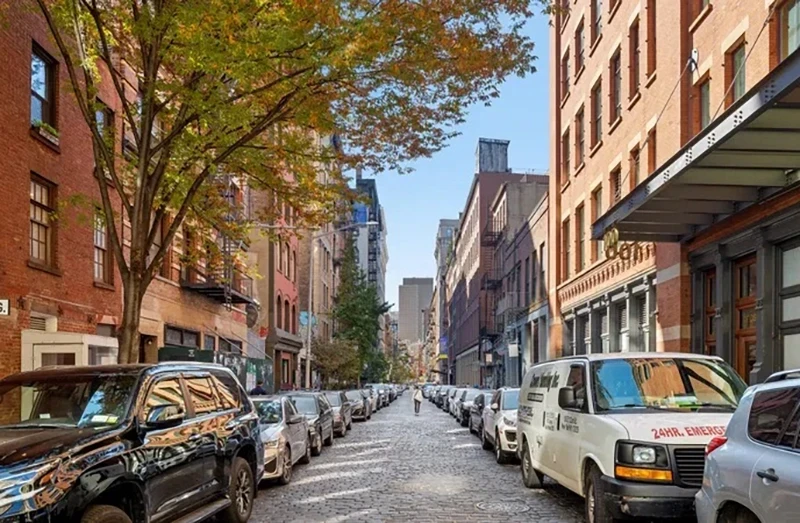
What began as an edgy alternative to SoHo quickly evolved into a magnet for high-end brands. By the 2000s, Nolita was no longer just a creative enclave—it was a business opportunity. International fashion houses spotted the neighborhood’s rising cachet and began opening flagship stores. Luxury cosmetics companies followed, and suddenly Nolita’s narrow streets became a catwalk for global retail giants eager to capture the cool factor that independent boutiques had built.
As major players moved in, rents skyrocketed. Once-affordable storefronts became out of reach for the very small businesses that made the neighborhood desirable. The cycle of gentrification had come full circle, and Nolita was firmly on the map as one of Manhattan’s premier shopping destinations.
Real Estate as the Final Stage
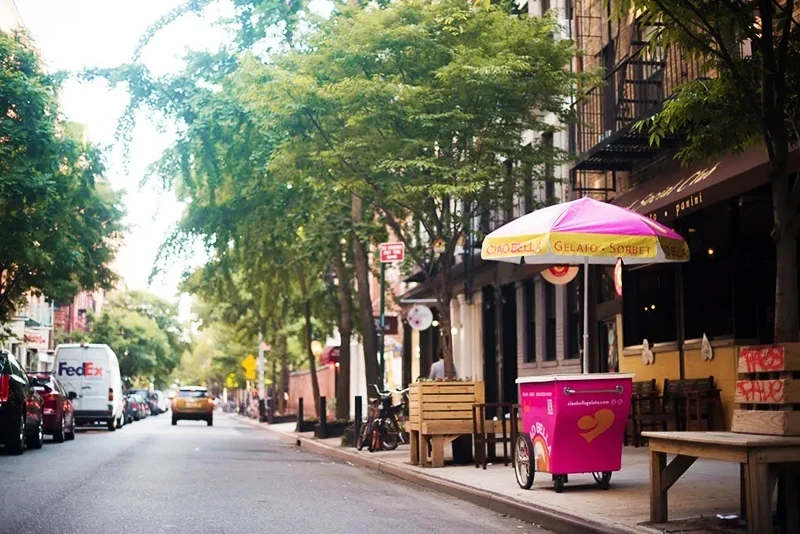
Retail wasn’t the only sector reshaping Nolita. Real estate developers capitalized on the neighborhood’s appeal, transforming old tenements and factories into luxury condos. Today, apartment listings in Nolita regularly exceed seven figures, with penthouses selling for tens of millions. What was once an enclave for immigrants and artists is now a playground for the wealthy.
The economic profile of Nolita residents has shifted dramatically. Wealthy young professionals, celebrities, and foreign investors have replaced working-class families. Upscale dining establishments, artisanal bakeries, and boutique fitness studios now dominate the landscape. While critics lament the loss of affordability and cultural authenticity, the reality is clear: Nolita’s transformation is a textbook example of how New York neighborhoods evolve under market pressure.
What Nolita Tells Us About NYC
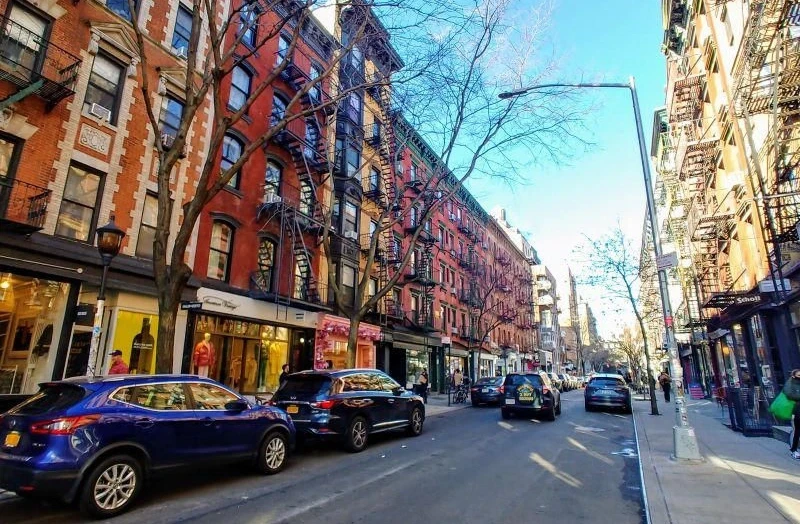
Nolita’s evolution underscores the broader trajectory of Manhattan’s economy—from industry and immigration to art-driven reinvention and finally to luxury commodification. Its story isn’t unique, but the speed and scale of the transformation set it apart.
The neighborhood’s current identity as a luxury retail hub is the culmination of decades of reinvention. For New Yorkers, it is a reminder of both the city’s resilience and its relentless march toward high-end real estate and commerce. Where sewing machines once whirred and metal presses clanged, now stand flagship fashion boutiques and multimillion-dollar condos.
Nolita may no longer resemble the industrial zone of its past, but its story captures the essence of New York itself: a place where change is constant, and economic evolution is both inevitable and unstoppable.