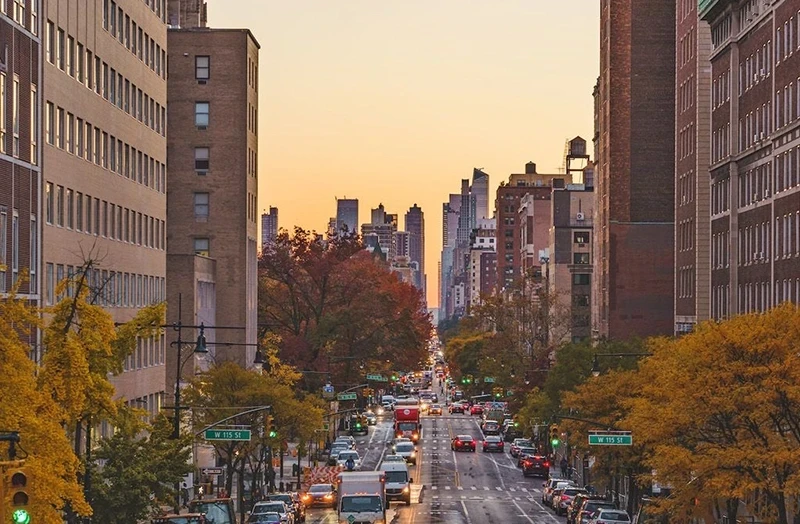
Tucked between Harlem to the east and Riverside Park to the west, Morningside Heights is one of Manhattan’s most historic and culturally rich neighborhoods. Known for its academic institutions, religious landmarks, and serene green spaces, the neighborhood has long been considered an intellectual hub with a small-town feel within the big city. From its turn-of-the-century architecture to its thriving student culture, Morningside Heights continues to attract residents, visitors, and scholars alike.
History and Character
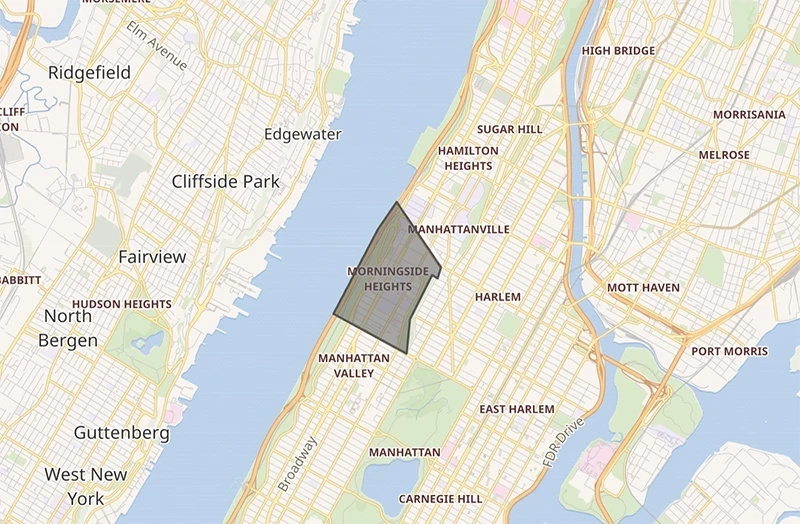
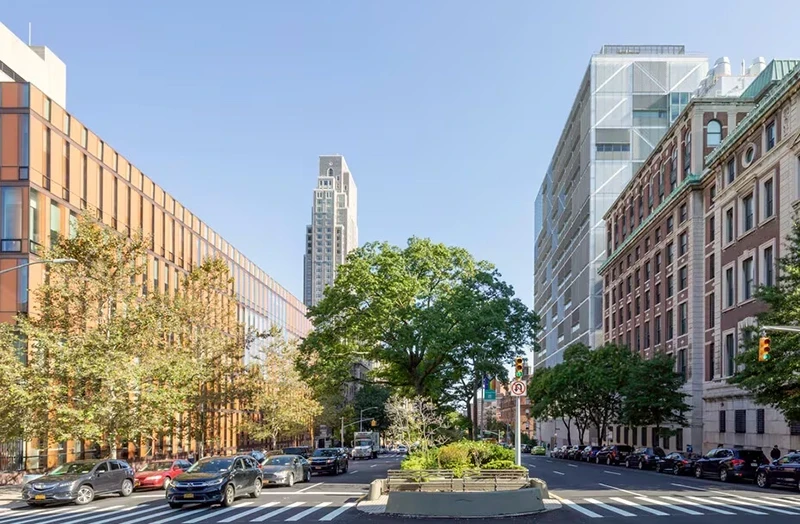
Morningside Heights has a history deeply connected to education and religion. In the late 19th century, the neighborhood began its transformation with the construction of Columbia University’s campus, followed by other prestigious institutions such as Barnard College, Teachers College, and the Jewish Theological Seminary. This concentration of schools earned the area its reputation as “the Academic Acropolis.”
Architecturally, the neighborhood showcases a mix of pre-war apartment buildings, neo-Gothic academic halls, and Romanesque-inspired churches. Its elevated location also provides some of the most scenic views of Riverside Park and the Hudson River. While it is primarily a residential neighborhood, the steady presence of students and faculty creates a lively and diverse atmosphere.
Landmarks and Institutions
One of the most recognizable sites in Morningside Heights is the Cathedral of St. John the Divine, the largest cathedral in the world. With construction beginning in 1892, the cathedral remains partially unfinished, yet it stands as a testament to New York’s architectural ambition and spiritual diversity. The cathedral grounds also host cultural events, art installations, and seasonal celebrations that draw both locals and tourists.
Columbia University is another defining feature of the neighborhood. Its campus, with its iconic Low Memorial Library steps and Butler Library, serves as a gathering place for students and community members alike. The university is not only an academic powerhouse but also a cultural center, offering public lectures, film screenings, and performances throughout the year.
Another notable site is Riverside Church, a towering neo-Gothic structure that has played a significant role in New York’s religious and social history. Known for its progressive theology, the church has been the stage for speeches by Martin Luther King Jr., Nelson Mandela, and other global leaders.
Parks and Green Spaces
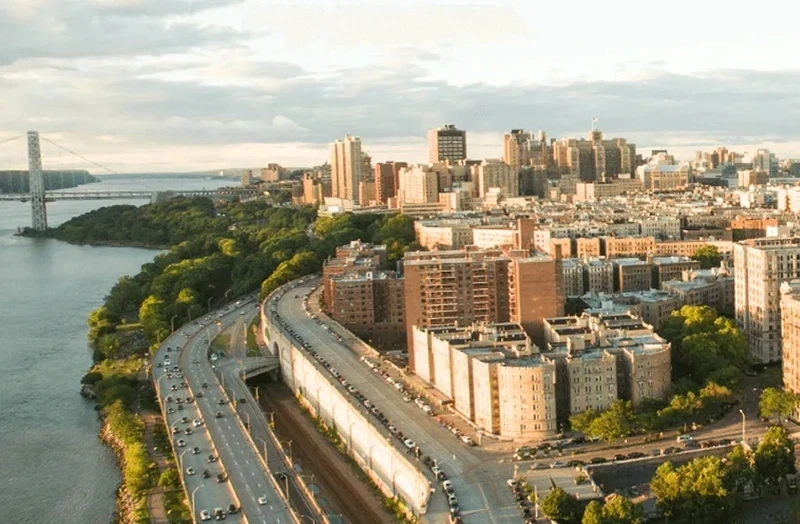
Despite being in the heart of Manhattan, Morningside Heights offers plenty of access to nature. Riverside Park, which runs along the Hudson River, is one of the city’s most beloved green spaces. Designed in part by Frederick Law Olmsted, it provides jogging paths, sports fields, playgrounds, and scenic overlooks.
Morningside Park, located on the eastern edge of the neighborhood, is another local gem. Its dramatic cliffs, waterfalls, and winding paths make it a peaceful retreat from the bustle of the city. The park was once considered unsafe, but in recent decades it has undergone revitalization, becoming a family-friendly spot for recreation.
Food and Dining
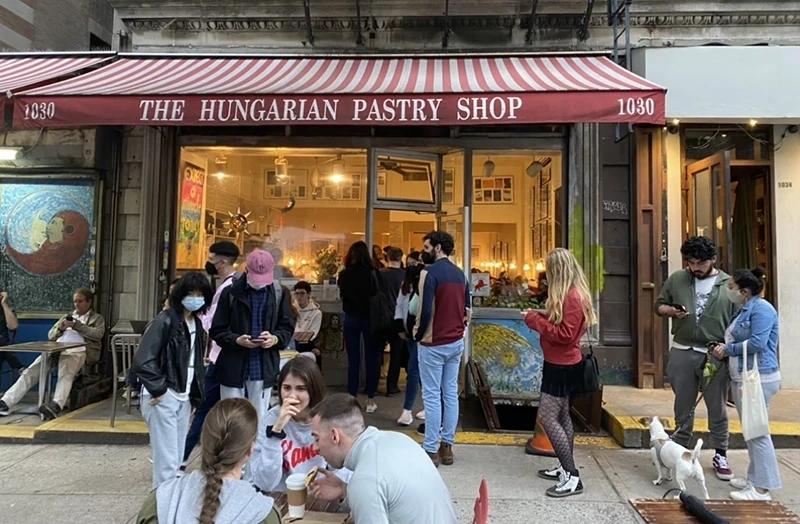
The dining scene in Morningside Heights is shaped by its student population and long-term residents. Cozy cafes, affordable eateries, and international cuisines line Broadway and Amsterdam Avenue. From classic New York bagel shops to Mediterranean bistros and Asian noodle bars, the neighborhood offers a range of flavors to suit different tastes and budgets.
Community staples such as Hungarian Pastry Shop, near the cathedral, have become cultural landmarks in their own right, serving as gathering spots for writers, academics, and locals. For those seeking a more upscale experience, several restaurants offer refined dining options that appeal to professionals and families living in the area.
Residential Life
Living in Morningside Heights means embracing a unique blend of historic charm and academic energy. Many of the pre-war apartment buildings boast spacious layouts and old-world character, making them attractive to both families and young professionals. The neighborhood maintains a quieter pace than downtown Manhattan, with tree-lined streets and strong community ties.
While the presence of Columbia University and other institutions ensures a constant flow of students, the neighborhood also has a significant number of long-term residents who contribute to its stability and identity. Rent and housing prices are generally lower than in neighborhoods farther south, though demand has grown in recent years as more people seek the balance of convenience and calm that Morningside Heights offers.
Community and Culture
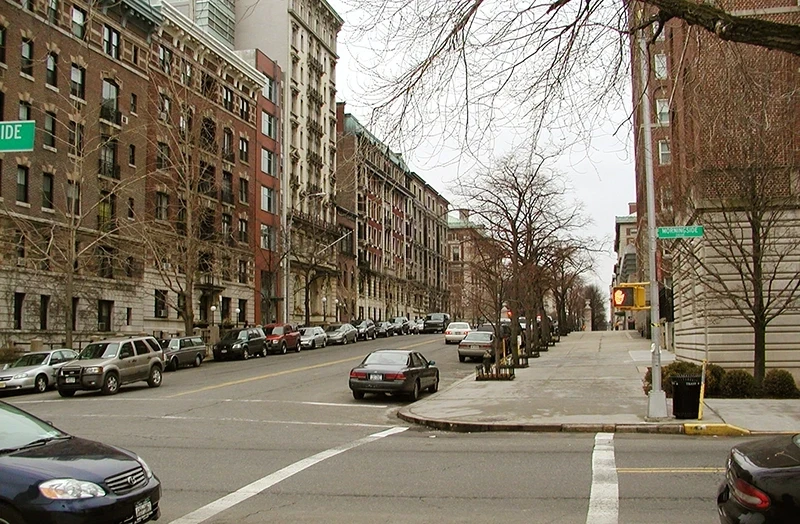
Beyond academics and architecture, Morningside Heights thrives on its sense of community. Bookstores, cultural centers, and local festivals bring neighbors together, while the area’s rich history of activism and social engagement continues to shape its character. The neighborhood’s proximity to Harlem also influences its cultural landscape, providing residents with easy access to a broader array of arts, music, and dining experiences.
Morningside Heights is a neighborhood that combines intellectual life, spiritual landmarks, and natural beauty, making it one of Manhattan’s most distinctive communities. Whether you are strolling through Riverside Park, attending a lecture at Columbia, or grabbing a pastry before class, the area offers a mix of tradition and vibrancy that reflects the broader spirit of New York City. For residents and visitors alike, Morningside Heights remains a cultural crossroads where history and modern life intertwine.