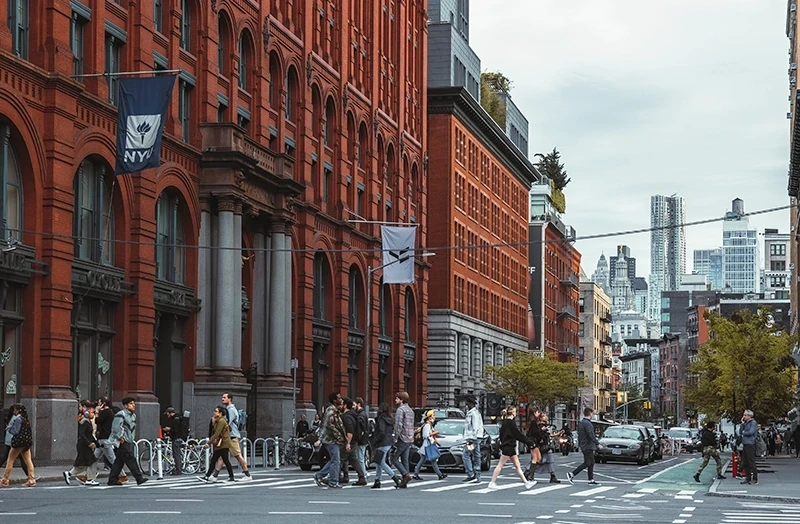
NoHo, the small yet storied neighborhood “North of Houston Street,” has long been a microcosm of New York City’s battles over land use, identity, and affordability. Today, it sits at the center of an increasingly urgent debate: how a community built on an industrial past can adapt to a citywide demand for affordable housing. To understand why NoHo faces such an acute housing crisis, one must look back to its zoning history—a legacy that continues to shape what can and cannot be built in one of Manhattan’s most desirable districts.
From Factories to Lofts
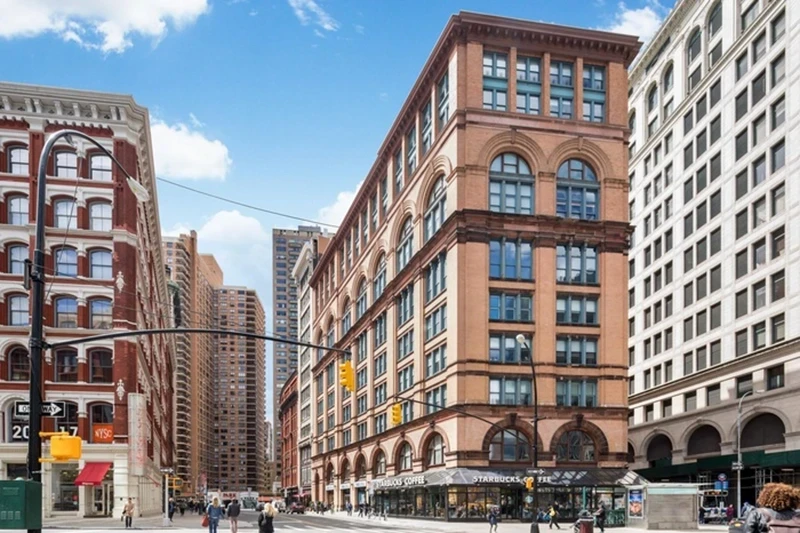
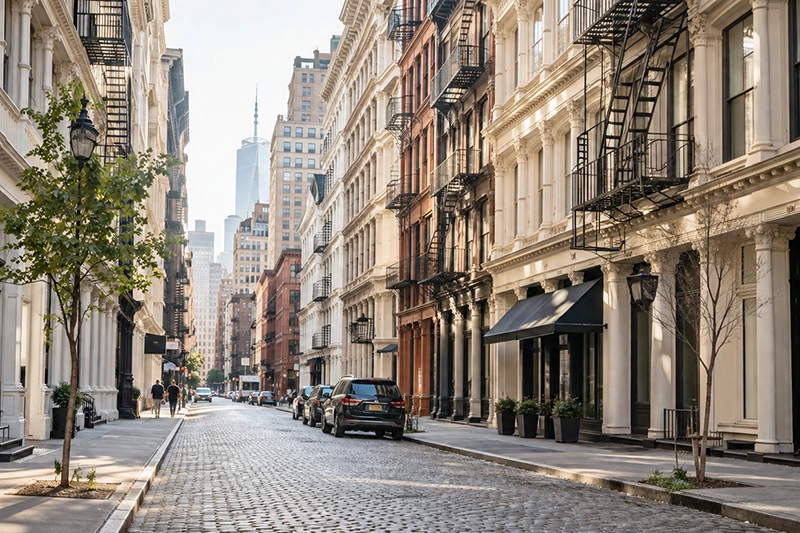
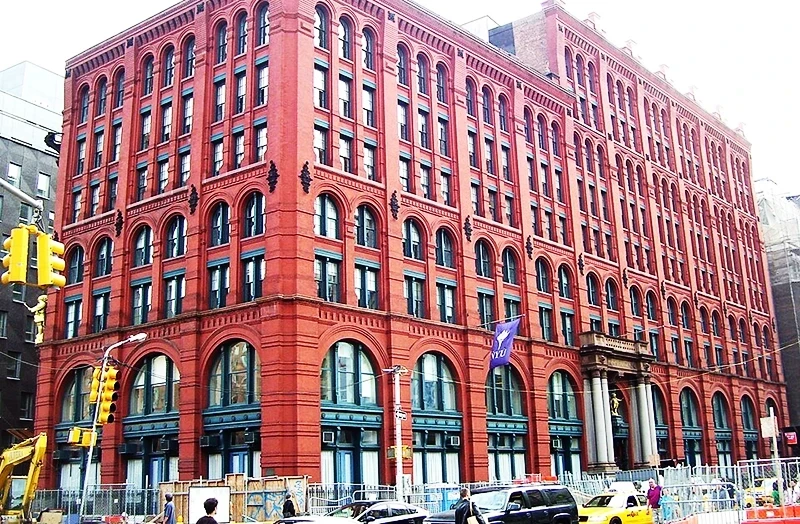
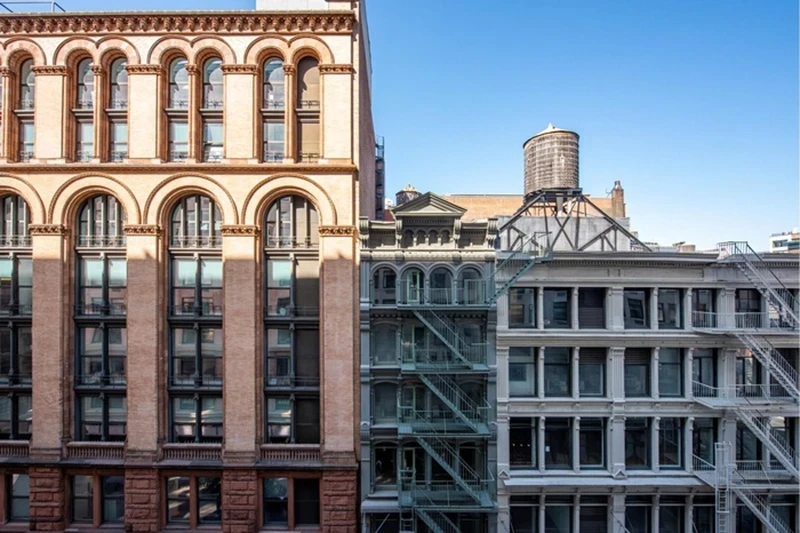
NoHo’s origins trace back to the mid-19th century, when cast-iron architecture defined its streetscape and textile factories, warehouses, and printing plants dominated its economy. The area was industrially zoned, a designation that strictly limited residential use. For decades, zoning regulations preserved NoHo as a hub of production, even as industry declined across Manhattan in the 20th century.
As manufacturing jobs moved offshore and factories shuttered, vacant lofts became magnets for artists seeking large, affordable spaces to live and work. By the 1960s and 1970s, creative communities had unofficially converted many industrial buildings into homes, operating in a legal gray area. The city eventually codified this trend by allowing “Joint Live-Work Quarters for Artists” (JLWQA), granting certified artists the right to live in industrial lofts without changing the zoning designation.
This compromise—born of necessity—laid the groundwork for today’s zoning conundrum. While artists could inhabit NoHo, the district remained technically an industrial zone, preventing large-scale residential development and, by extension, the introduction of meaningful affordable housing stock.
Preservation Meets Gentrification
By the 1990s, NoHo’s cachet as an artists’ enclave collided with a new wave of real estate interest. Cast-iron lofts became luxury properties, selling for millions and attracting affluent professionals rather than working artists. In 1999 and 2003, the city moved to landmark much of NoHo, preserving its architectural heritage.
But preservation came with trade-offs. Landmarking locked in the low-rise, boutique character of the neighborhood, while zoning restrictions continued to prioritize commercial or artist-certified occupancy. Developers had limited incentives to include affordable units, since rezoning was rarely permitted and building upward was largely prohibited.
The result: NoHo transformed into a neighborhood where the median household income now ranks among the highest in Manhattan, yet legally recognized affordable housing remains nearly absent. Market rents and condo prices climbed into the stratosphere, and the artist certification system—meant to maintain affordability for creatives—became increasingly outdated and difficult to enforce.
The Affordable Housing Impasse
The crisis is not simply a matter of rising rents, but of structural incompatibility between NoHo’s industrial zoning history and modern housing needs. Under its current zoning framework, creating affordable units often requires a rezoning application or a special permit. Developers argue that the process is cumbersome and costly, while preservationists resist changes they fear could erode the character of the neighborhood.
Even when new development is proposed, community resistance is fierce. The 2021 SoHo/NoHo rezoning attempt, which aimed to introduce a path for affordable housing by easing restrictions and applying Mandatory Inclusionary Housing (MIH) requirements, sparked heated battles. Critics claimed the rezoning would fuel luxury development with only token affordable units, while supporters argued it was the only realistic way to introduce affordability into a neighborhood with virtually none.
That rezoning passed, but implementation has been slow, with lawsuits and bureaucratic hurdles delaying projects. The fight highlighted just how deeply NoHo’s industrial past still dictates its present: any effort to build housing—affordable or otherwise—must navigate a labyrinth of outdated zoning laws, preservation mandates, and local opposition.
NoHo’s affordable housing crisis is emblematic of broader challenges across New York City. As a centrally located, transit-rich neighborhood, it should be an ideal site for mixed-income housing. Yet its industrial heritage, combined with landmark protections and a powerful coalition of residents wary of overdevelopment, creates one of the most restrictive development environments in the city.
Housing advocates argue that unlocking neighborhoods like NoHo is critical if New York is to address its shortage of affordable units. Opponents counter that forcing dense housing into historically unique districts undermines cultural and architectural preservation. Both sides circle back to the same question: should zoning that was written for factories in the 20th century continue to dictate the possibilities of the 21st?
The Path Forward
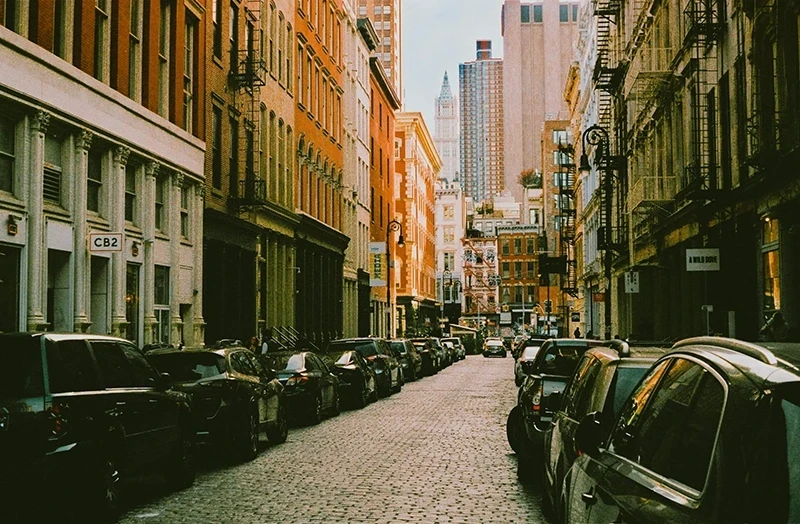
Any resolution will require balancing preservation with progress. Some urban planners suggest expanding affordable housing through adaptive reuse—allowing existing lofts and commercial buildings to be legally converted into multi-family housing with affordability requirements. Others propose targeted upzoning along corridors where taller buildings would not compromise NoHo’s historic character.
What is clear is that NoHo cannot remain frozen in time. Its industrial zoning history, once a safeguard for manufacturing and later a haven for artists, is now a roadblock to meeting New York’s most urgent need: affordable housing. Unless zoning rules evolve, NoHo will remain a neighborhood of stunning architecture and storied past, but one increasingly closed off to all but the wealthiest.