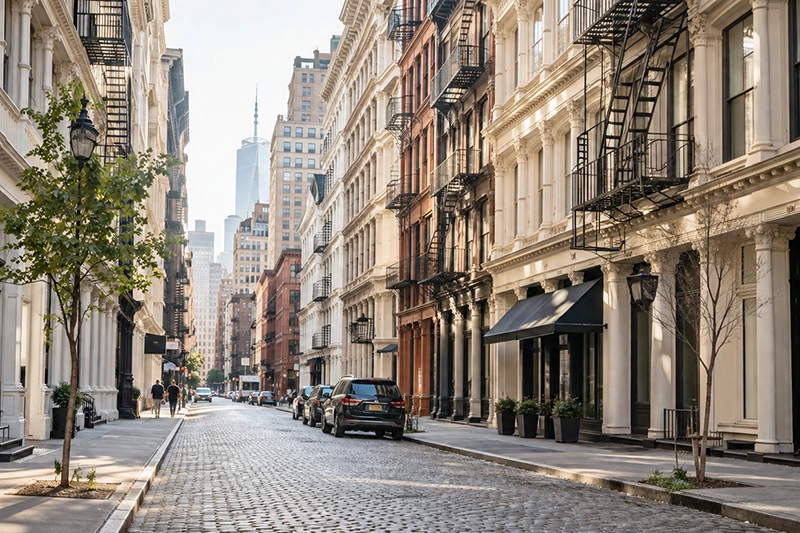
Once known for the clang of metal hooks, the hum of refrigeration units, and the unmistakable scent of raw meat, the Meatpacking District of Manhattan is now a gleaming hub of luxury fashion, rooftop bars, high-end hotels, and art galleries. But behind its polished cobblestone streets and Instagrammable storefronts lies a gritty industrial history that gave the neighborhood its unforgettable name—and an identity shaped by labor, blood, and transformation.
From Farms to Factories

In the mid-19th century, the western edge of Manhattan, particularly around Gansevoort Street and Washington Street, became a major center for food-related industries. Thanks to its proximity to the Hudson River and the expansion of rail lines, the area quickly developed into a logistical hotspot for transporting goods into and out of the city.
What followed was the steady growth of slaughterhouses and meatpacking plants. By the early 1900s, over 250 slaughterhouses and packing facilities operated in the neighborhood. Cattle and pigs were shipped in daily, and the streets often ran red with blood. Workers—many of them immigrants—labored in cold, dangerous, and unsanitary conditions to keep up with New York’s demand for meat. The district didn’t just process beef and pork; it was also home to tanneries, refrigeration warehouses, and distributors that kept the city’s food supply moving.
The term “Meatpacking District” became a literal descriptor of what the neighborhood was: a dense grid of meat purveyors operating day and night, year-round.
Grit, Grime, and a Working-Class Backbone

The name “Meatpacking District” stuck not because of branding, but because it defined the place. Blood, carcasses, and industrial noise were part of everyday life. Workers wore aprons splattered with animal fat. Crates of organ meat were stacked in alleys. Trucks loaded with sides of beef clogged the cobblestone streets.
Despite the grueling nature of the work, the meatpacking industry was a source of stable employment for many. The gritty identity of the neighborhood was formed during these decades—an image of blue-collar toughness and raw, unfiltered labor. Even as New York modernized around it, the district remained unapologetically industrial.
The Long Decline

By the mid-20th century, the meat industry in Manhattan began to wane. Advancements in refrigeration and trucking made it easier—and cheaper—for meat to be processed in the Midwest and shipped to cities like New York. One by one, the local plants closed their doors. By the 1980s, only a handful of meatpackers remained.
The empty warehouses and dark alleys soon became fertile ground for underground nightlife. The Meatpacking District gained a reputation for being edgy and lawless, with clubs, sex work, and an alternative subculture thriving in the shadows of the past. For many New Yorkers in the late 20th century, the neighborhood was synonymous with vice more than steak.
Reinvention and Rebranding
In the late 1990s and early 2000s, developers and visionaries saw potential in the decaying buildings. Slowly, boutique designers, art galleries, and upscale restaurants began to move in. The opening of the High Line—a repurposed elevated rail line turned into a public park—added momentum to the transformation. Apple, Diane von Fürstenberg, and the Whitney Museum of American Art all made the neighborhood home.
Today, the Meatpacking District is a symbol of urban reinvention. But while the cobblestones have been cleaned and the warehouses refitted with glass façades, the name remains. It’s a reminder of the neighborhood’s origin, steeped in blood, labor, and survival.
A Name That Anchors the Past

So why is it still called the Meatpacking District?
In a city constantly shedding and remaking its skin, the name serves as an anchor to its past. It reflects a time when industry, not aesthetics, defined neighborhoods. It honors the workers who once made the area a vital part of the city’s economy. And in an age of sanitized branding, it stands out—raw, unvarnished, and real.
The Meatpacking District is no longer about carcasses and cattle. But its name tells a story that continues to shape its identity: a story of transformation, resilience, and the complex layers that make up New York City.