Long before Manhattan became synonymous with towering skyscrapers and Wall Street finance, New York City’s fortunes were tied to a very different landscape—one of wooden piers, sailing ships, crowded warehouses and bustling merchants. At the heart of that story was South Street Seaport, a neighborhood that transformed a modest colonial settlement into one of the world’s greatest trading cities.
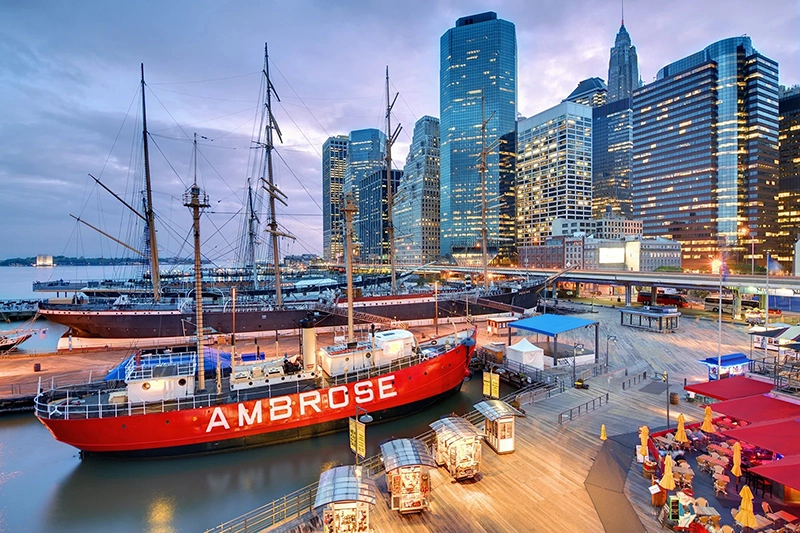
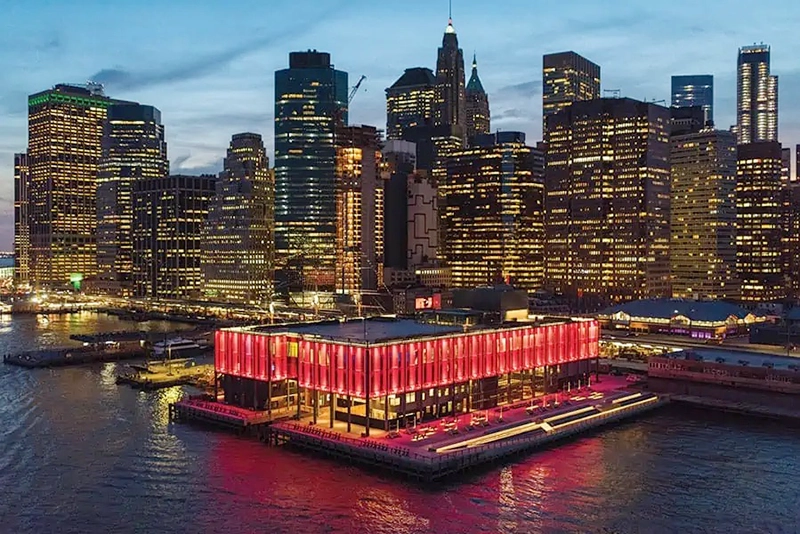
Today, visitors often come to South Street Seaport for its waterfront views, restaurants and entertainment at Pier 17. But beneath the modern attractions lies one of New York’s most significant historic districts, where the city’s rise as a global economic powerhouse first took shape.
A Natural Harbor That Changed Everything
New York’s geography gave it an extraordinary advantage from the very beginning. The deep, sheltered waters of New York Harbor allowed ships to dock safely throughout the year, while the Hudson and East rivers connected the city to inland trade routes.
By the late 1700s, the shoreline around today’s South Street Seaport had become one of the busiest commercial areas in the young United States. Merchant vessels arrived daily carrying tea, sugar, coffee, spices, textiles and manufactured goods from Europe, the Caribbean and beyond. At the same time, ships departed loaded with flour, timber, cotton and other American exports destined for markets around the world. The waterfront wasn’t simply a place where ships unloaded cargo—it was the engine that powered the city’s growing economy.
The Port That Never Slept
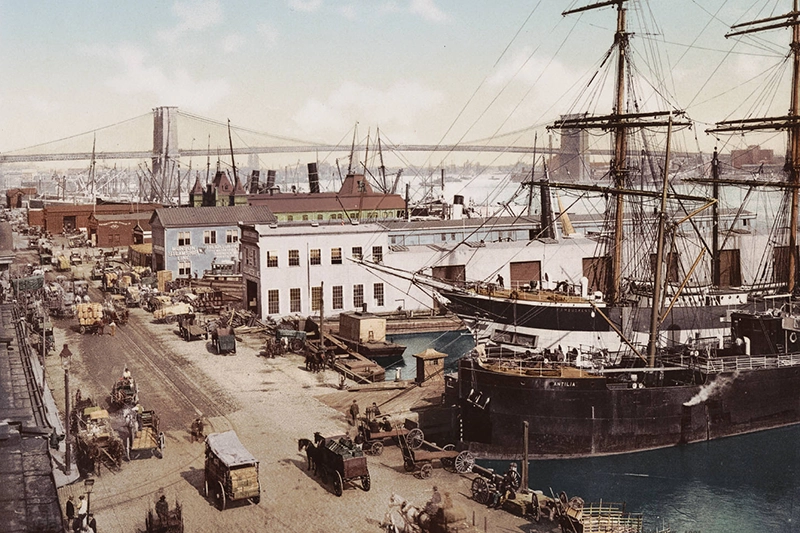
Throughout the 19th century, South Street Seaport operated around the clock. Longshoremen unloaded cargo by hand while clerks recorded shipments, shipbuilders repaired vessels and merchants negotiated deals inside nearby counting houses. Warehouses lined the waterfront, storing everything from imported silk to barrels of molasses awaiting distribution across the country.
The neighborhood buzzed with activity. Sailors from dozens of nations filled boarding houses and taverns after months at sea, while insurance brokers, bankers and shipping agents established offices nearby to support the expanding maritime economy.
Every successful voyage generated work for countless New Yorkers far beyond the docks, creating employment in transportation, manufacturing, finance and retail.
A Gateway for Commerce
South Street Seaport’s importance extended well beyond Manhattan. In 1825, the opening of the Erie Canal connected New York Harbor directly to the Great Lakes and the rapidly expanding American interior. Suddenly, agricultural products and raw materials from the Midwest could reach international markets through New York faster and more efficiently than through competing ports. The canal transformed New York into the nation’s leading commercial center almost overnight.
Goods arriving from Europe were distributed across the growing United States, while American products flowed back through the same network to waiting ships on the East River. South Street Seaport became the critical link between domestic production and global trade. The Age of the Clipper Ships By the mid-1800s, South Street Seaport stood at the center of one of history’s most exciting eras of maritime commerce.
Elegant clipper ships, famous for their speed and towering masts, regularly sailed from these piers carrying tea from China, textiles from Europe and cargo from ports around the globe. Their arrival was often front-page news, with merchants eager to receive valuable shipments before competitors.
The race to deliver goods quickly helped establish New York as America’s premier trading city. Although steamships would eventually replace sailing vessels, the clipper era remains one of the defining chapters in South Street Seaport’s history.
Building More Than a Port
The prosperity generated along these docks reshaped Manhattan itself. Wealth accumulated through shipping financed banks, railroads, insurance companies and real estate development. Many institutions that later became synonymous with New York’s financial dominance grew alongside the city’s maritime success.
Even Wall Street’s rise cannot be separated from the port. International commerce required investment, credit, insurance and sophisticated financial services—all of which flourished as trade expanded. In many ways, New York became the nation’s financial capital because it first became its maritime capital.
Decline Along the Waterfront
By the early 20th century, shipping technology had changed dramatically. Steamships grew larger, cargo handling became increasingly mechanized and, later, containerization revolutionized global trade. The narrow piers and historic warehouses of South Street Seaport could no longer accommodate modern vessels. Commercial shipping gradually shifted to larger facilities in Brooklyn, New Jersey and other parts of the harbor.
As businesses relocated, the once-bustling waterfront entered decades of decline. Many buildings sat vacant, and demolition threatened much of the neighborhood’s historic fabric.
Preserving a Piece of New York
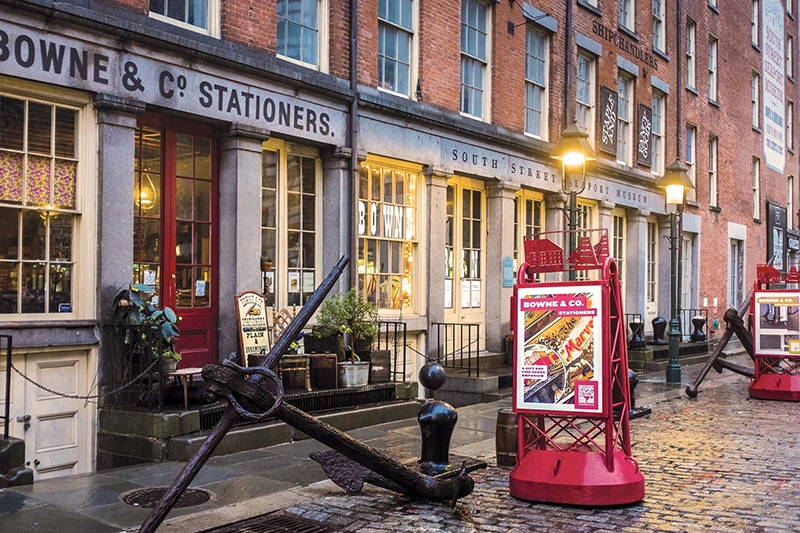
During the 1960s and 1970s, preservationists recognized that South Street Seaport represented something increasingly rare: an authentic glimpse into New York’s maritime origins. Rather than allowing the neighborhood to disappear beneath new development, historic buildings were restored, cobblestone streets preserved and several historic sailing vessels saved for future generations.
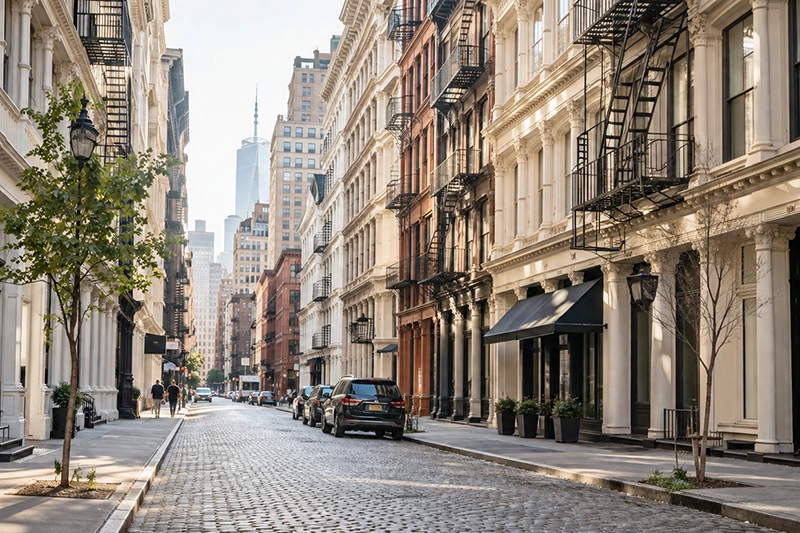
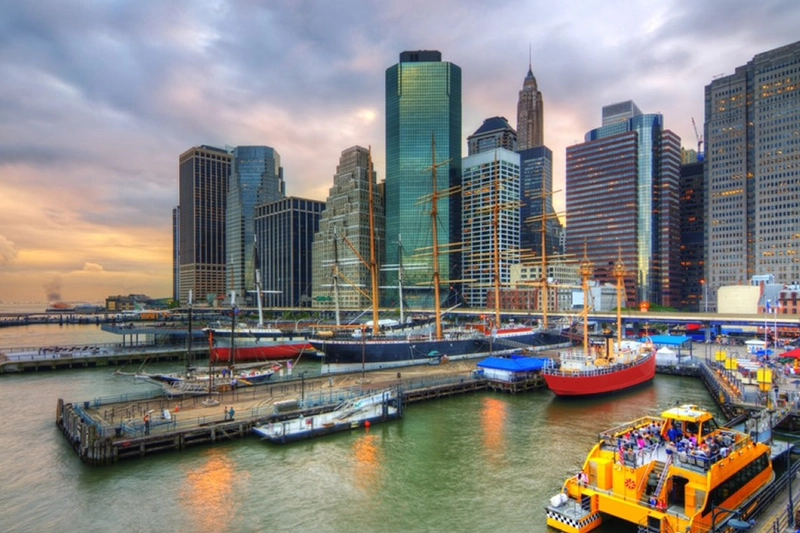
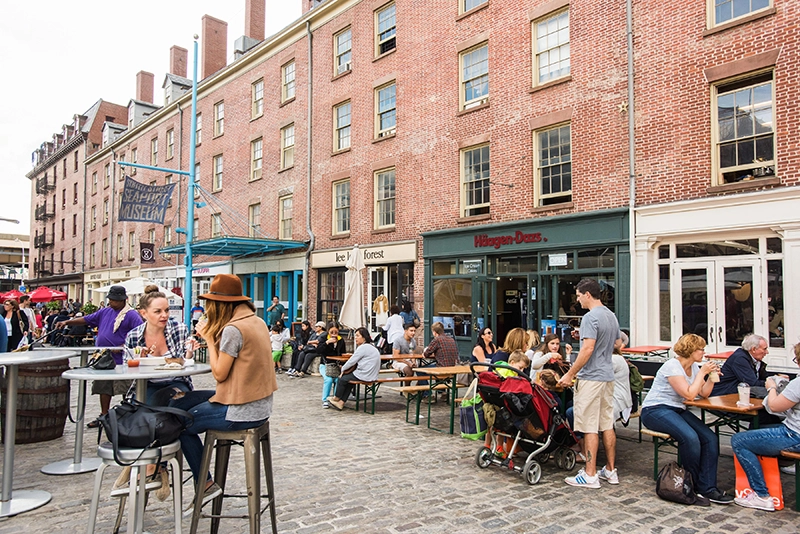
Today, South Street Seaport remains one of the few places in Manhattan where visitors can still experience the scale and atmosphere of a 19th-century commercial waterfront. Walking along Fulton, Front and South streets offers a striking contrast to the glass towers rising elsewhere in Lower Manhattan.
A Neighborhood That Still Connects the City
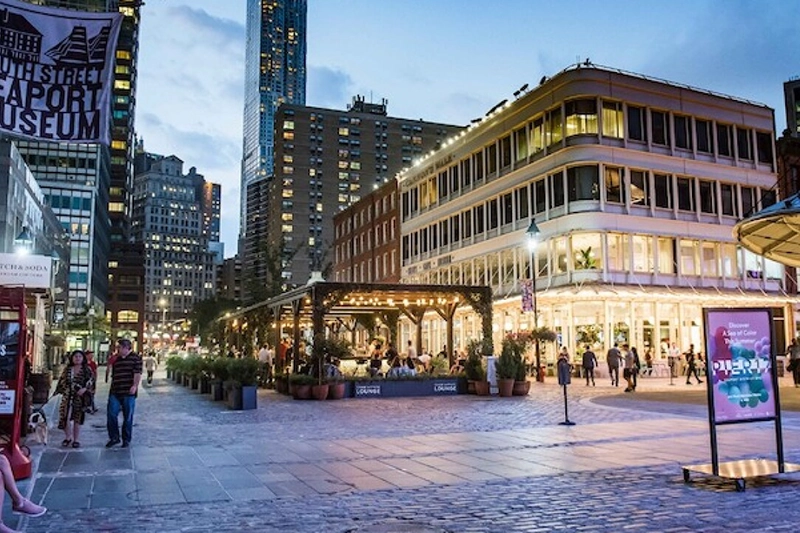
Modern South Street Seaport serves a different purpose than it once did, but its importance hasn’t diminished. The neighborhood now brings together history, culture, dining, shopping and public events while preserving one of New York City’s most remarkable stories. Visitors can admire historic ships moored along the East River, explore beautifully restored mercantile buildings and enjoy sweeping views of the Brooklyn Bridge—all within a setting that helped shape the city itself.
Every cobblestone, warehouse and pier tells part of a larger story: how commerce, ambition and geography combined to transform a small port into one of the world’s greatest cities.
For many visitors, South Street Seaport is simply a scenic stop along Manhattan’s waterfront. Yet its true significance runs much deeper. Before Fifth Avenue became a shopping destination, before Midtown reached for the sky, and before Wall Street became a global financial symbol, it was this waterfront that powered New York’s extraordinary rise. To understand how New York City became New York City, there are few better places to begin than South Street Seaport.