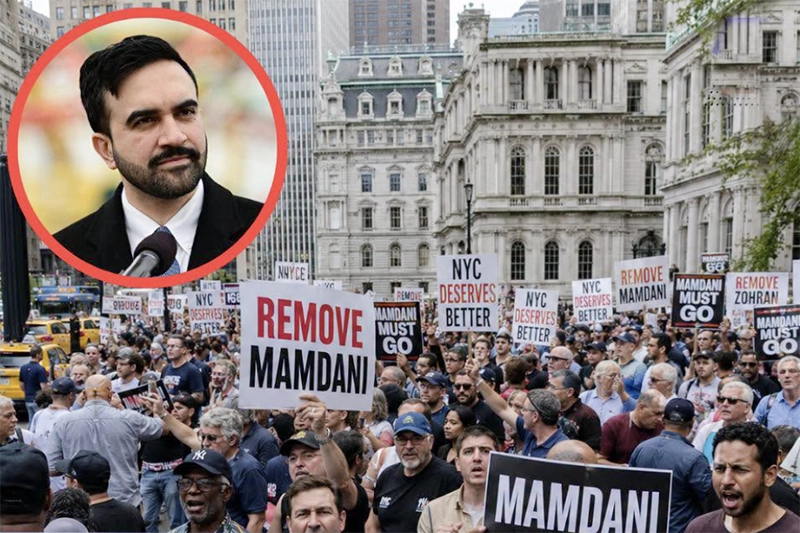
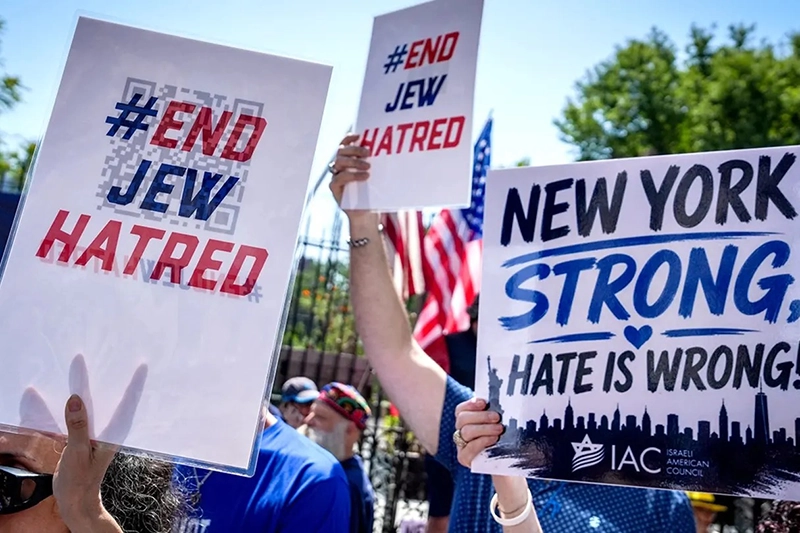
As the sun set over the Upper West Side on Sunday evening, a crowd gathered not for the usual symphony of summer street fairs, but for a rally organized under the banner of “End Jew Hatred.” The mood was somber, charged with an anxiety that has become all too familiar in a city that prides itself on its diversity but is increasingly grappling with a surge in bias incidents. It was at this gathering that a Brooklyn lawmaker escalated the political discourse surrounding the recent stabbing attacks, calling for the highest levels of federal oversight—specifically targeting Mayor Zohran Mamdani.
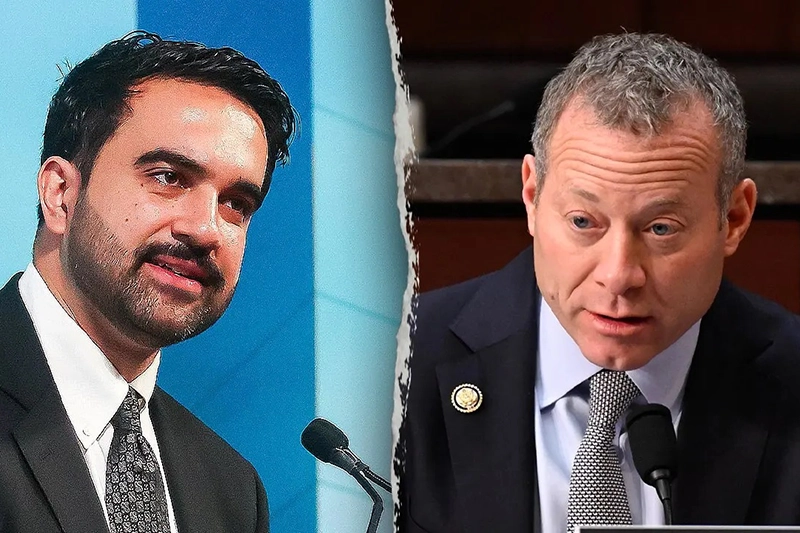
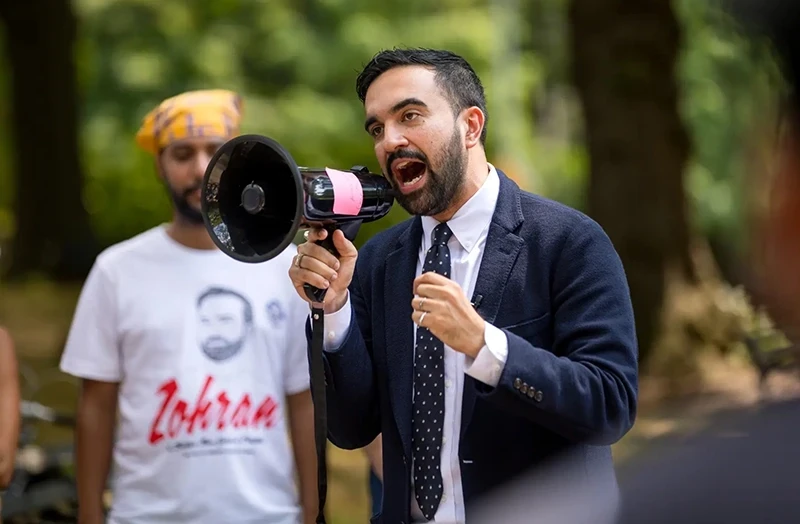
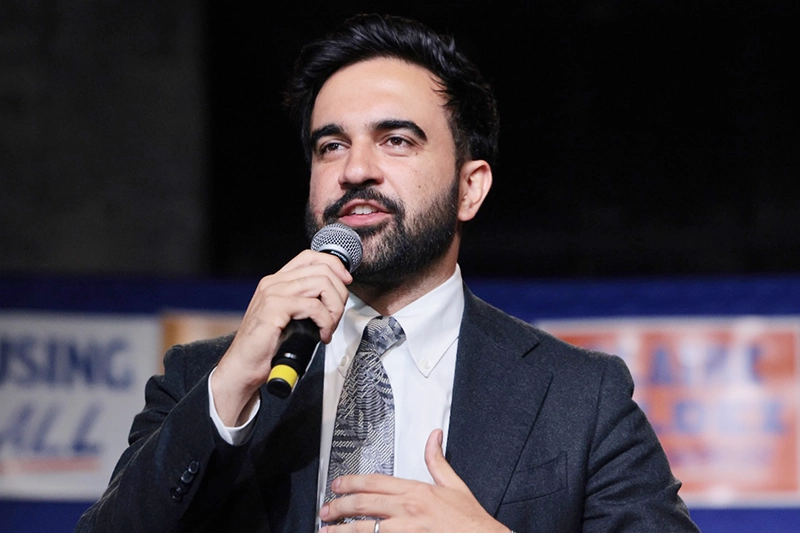
New York State Assemblyman Michael Novakhov, who represents District 45 in the southern part of Brooklyn, took to the podium to announce a formal request to the U.S. Department of Justice (DOJ). The request is twofold: first, to open a civil rights investigation into the City of New York and New York State’s handling of antisemitic violence; and second, and more pointedly, to investigate Mayor Mamdani himself for what Novakhov described as “hatred against the Jewish population.”
“The DOJ has shown it can act when Jewish students are under threat on college campuses,” Novakhov stated, referencing the high-profile federal probe into Columbia University that sent shockwaves through the academic world last year. “If they can protect our students, they must protect our citizens. The violence we are seeing is not random; it is a symptom of a leadership vacuum that allows hatred to fester.”
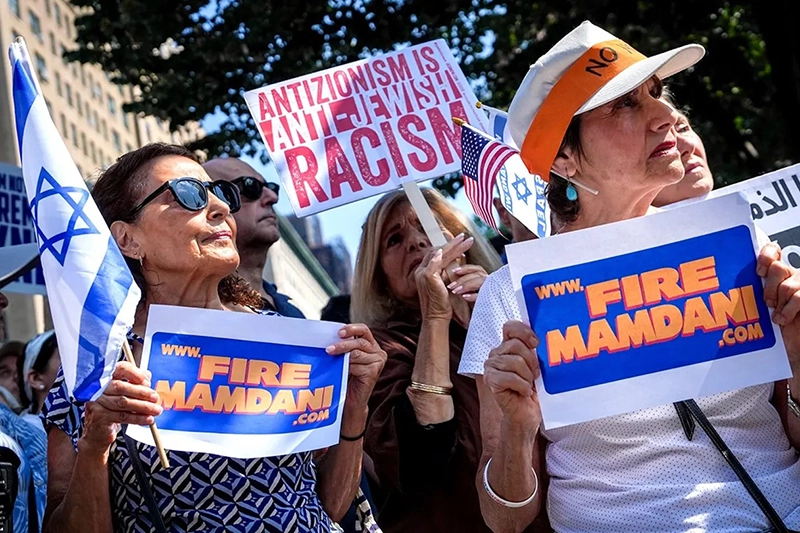
In an Instagram post following the rally—which included footage of the crowd cheering his remarks—Novakhov doubled down, confirming that a formal letter would be dispatched to the DOJ’s civil rights division. He specifically named Mayor Mamdani, accusing the administration of failing to provide adequate protection to Jewish communities while simultaneously fostering a political environment where anti-Israel rhetoric is allowed to spiral into real-world violence. Manhattan Dispatch reached out to Mayor Mamdani’s office for a response to the assemblyman’s allegations but did not receive immediate comment as of press time.
The catalyst for this political firestorm was a brutal attack that occurred this past Thursday on the streets of the Upper West Side. This neighborhood, known for its family-friendly atmosphere and historic synagogues, is home to one of the largest and most vibrant Jewish populations in the city. Thursday, however, was not just another summer day; it marked Tisha B’Av, a solemn day of mourning in the Jewish calendar that commemorates the destruction of the First and Second Temples in Jerusalem. For many in the community, the timing of the stabbings felt deeply symbolic.
According to law enforcement sources, the suspect, 51-year-old Raul Morales, allegedly approached two men in separate incidents within a short timeframe. The victims were identified as Chok Sung, 57, and Moshe Grunhaus, 50. Officials have reported that the suspect yelled “Allahu Akbar” during the attacks, a detail that has led the NYPD’s Hate Crimes Task Force to take a leading role in the investigation. New York Attorney General Letitia James confirmed over the weekend that both victims are currently in stable condition and recovering from their wounds, a small mercy in a week that has otherwise left the neighborhood on edge.
“I walked home yesterday and I was looking over my shoulder,” said Rachel Stern, a resident of West 85th Street who attended the Sunday rally. “I’ve lived here for 20 years. I’ve raised my kids here. But when you have a mayor who refuses to unequivocally stand with the Jewish community, and then you have a stabbing on a holy day, it feels like the city is telling us we aren’t safe.”
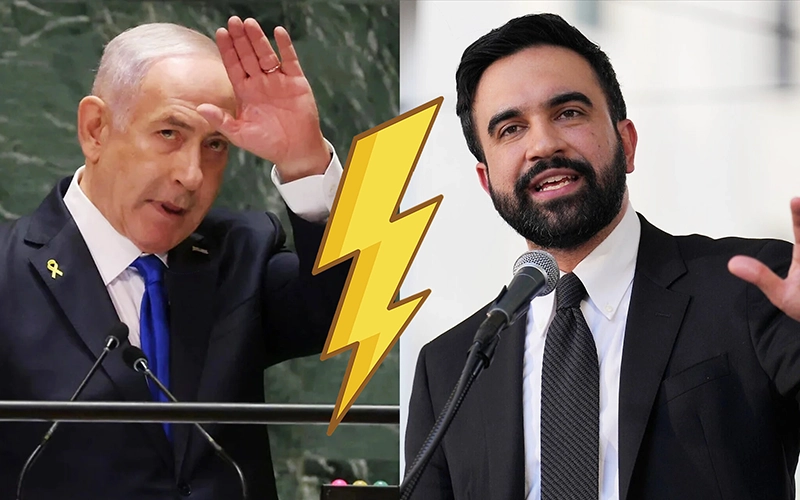
The tension between City Hall and the Jewish community has been simmering for months, but it boiled over following Mayor Mamdani’s recent comments regarding Israeli Prime Minister Benjamin Netanyahu. In a press conference earlier this year, Mamdani referred to Netanyahu as a “war criminal” and the “architect of a horrific genocide,” comments that drew sharp rebuke from Jewish leaders across the five boroughs. Furthermore, the mayor suggested that Prime Minister Netanyahu should be subject to the International Criminal Court’s arrest warrant—a move that many legal experts have pointed out is largely symbolic, given that the United States is not a signatory to the Rome Statute and does not recognize the ICC’s jurisdiction over its citizens.
While the mayor’s office has maintained that his criticism is directed at a foreign government and its leadership, not at the Jewish faith, critics like Assemblyman Novakhov argue that such rhetoric provides air cover for extremists. “You can’t call the leader of the Jewish state a war criminal and then act surprised when someone takes a knife to a Jewish man on the Upper West Side,” Novakhov argued during his speech. “Words matter. And the words coming out of City Hall are endangering lives.”
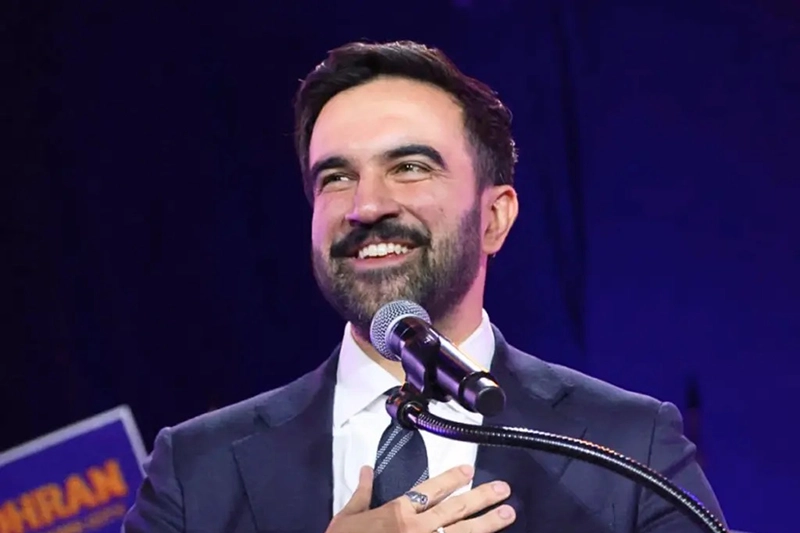
The call for a DOJ investigation into the city and the mayor specifically is a rare and aggressive move. It places Mamdani in a precarious position, aligning him politically with entities like Columbia University, which faced immense federal scrutiny over allegations that it failed to protect Jewish students from harassment. For the mayor, who has built his platform on progressive policies and a staunchly pro-Palestinian foreign policy stance, the accusation of antisemitism is the most serious threat to his credibility in a city where the Jewish community is a cornerstone of the electorate.
In response to the stabbings, Mayor Mamdani released a statement on Friday condemning the violence and calling for calm, though he notably avoided directly addressing the “hate crime” classification or the religious context of the attack. His administration has instead focused on mental health resources and increased police patrols in the area. However, for many residents, patrols are not enough. They are seeking a cultural shift in how their leaders speak about them.
“It feels like we are being held responsible for the policies of a foreign country,” said Rabbi David Cohen, who spoke at the rally on Sunday. “We are New Yorkers. We are Americans. We are the ones being stabbed in the street. We need our mayor to see us, not just as a political obstacle, but as his constituents.”
Manhattan Dispatch will continue to follow the fallout from this attack and the political maneuvering at City Hall. As the DOJ reviews Assemblyman Novakhov’s request, the question remains: Can the city heal its divides when its leadership is so deeply fractured? For now, the Upper West Side remains a neighborhood of trauma, scanning the streets for safety, and waiting for a message of unity that has yet to come.