The Metropolitan Transportation Authority (MTA) faced a tense and highly scrutinized City Council hearing this week, with Chair and CEO Janno Lieber on the hot seat over persistent delays and cost overruns in the agency’s long-promised subway signal modernization program. The session, lasting several hours, highlighted growing frustrations among lawmakers, commuters, and transit advocates who see the modernization of New York City’s aging signal infrastructure as one of the most critical — and most elusive — goals for the city’s transit future.
Outdated Signals at the Heart of NYC’s Subway Woes
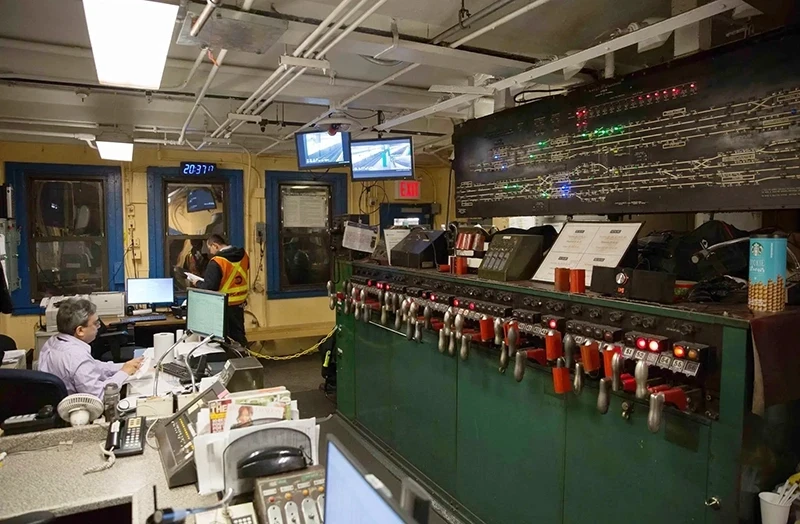
The hearing underscored the extent of New York’s reliance on a signaling system that in many places still dates back to the early 20th century. These antiquated systems are prone to failures, slowing trains, and leading to cascading delays that disrupt service for millions of daily riders. For years, modernization has been a key talking point for city and state officials, with promises of Communications-Based Train Control (CBTC) upgrades that would allow for faster, more reliable, and more frequent train service.
But while some progress has been made — most notably on the L line and portions of the 7 line — the rollout of CBTC across the broader system has been slow, costly, and fraught with setbacks. Lawmakers pressed Lieber to explain why timelines continue to shift, projects balloon in cost, and commuters are left waiting for meaningful improvements.
Lawmakers Demand Accountability
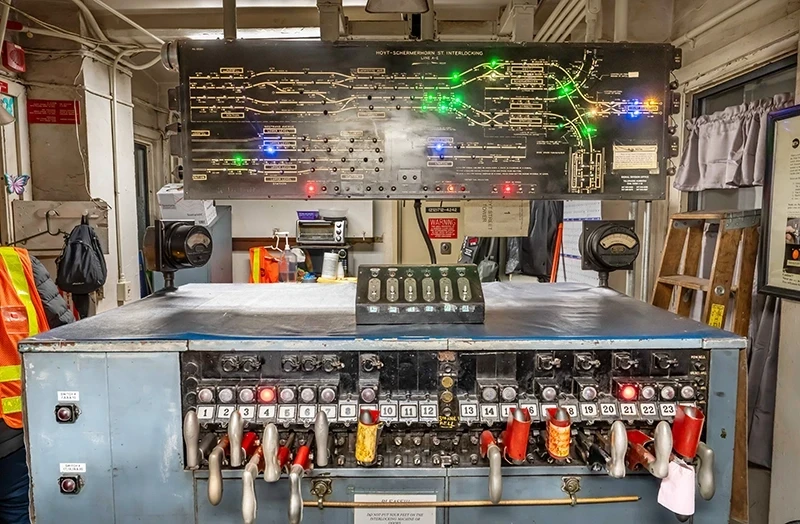
Council members repeatedly challenged Lieber on whether the MTA has the leadership and project management capacity to deliver modernization on schedule. Several lawmakers noted that the MTA has spent billions on the signal program already, yet system-wide improvements remain distant.
“Commuters don’t want excuses; they want results,” said one council member, echoing the sentiment that the public’s patience is wearing thin. Another pressed the chair on the role of private contractors, questioning whether the agency has been too reliant on costly outside firms and not aggressive enough in negotiating better deals.
Lieber defended the MTA’s record, stressing that modernization efforts are inherently complex and must be balanced against the need to keep trains running daily. “We are upgrading a live system that moves nearly four million people every day,” he said. “This is not a project that can be accomplished overnight, and safety must remain our top priority.”
Rider Frustration and Economic Stakes
Transit advocates, many of whom testified during the hearing, painted a dire picture of what is at stake. With delays tied directly to outdated signals, New Yorkers lose millions of hours annually to slowdowns and service interruptions. The broader economic impact is measured in billions, affecting productivity, tourism, and the city’s global competitiveness.
Commuters who rely on the system daily are growing weary of repeated promises with little visible improvement. For them, modernization isn’t a bureaucratic detail — it’s the difference between arriving at work on time or risking a job. The hearing amplified their frustration, highlighting how far New York lags behind other major global cities, many of which have modernized signal systems that allow trains to run at tighter intervals with fewer breakdowns.
Funding and Political Will
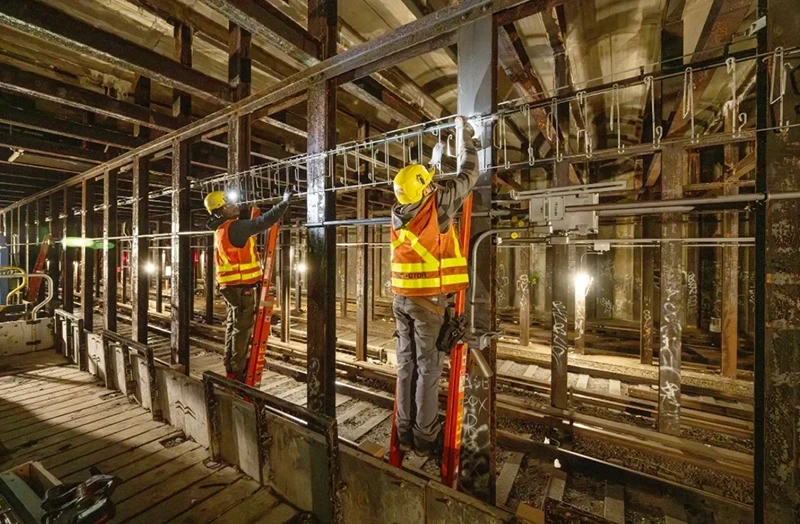
At the center of the debate is the question of funding and political will. The MTA’s capital program sets aside tens of billions of dollars for infrastructure upgrades, but with competing demands — from station accessibility projects to climate resilience measures — priorities are constantly in tension. Council members asked whether signal modernization has been given enough emphasis relative to other initiatives.
Lieber insisted that signals remain a top priority, but he acknowledged that funding uncertainties, coupled with the pandemic’s impact on ridership and revenue, have complicated timelines. “We are committed to delivering a 21st-century subway system,” he said, “but we need stable, long-term funding commitments from all levels of government to make it a reality.”
Pressure Mounts for a Clear Timeline
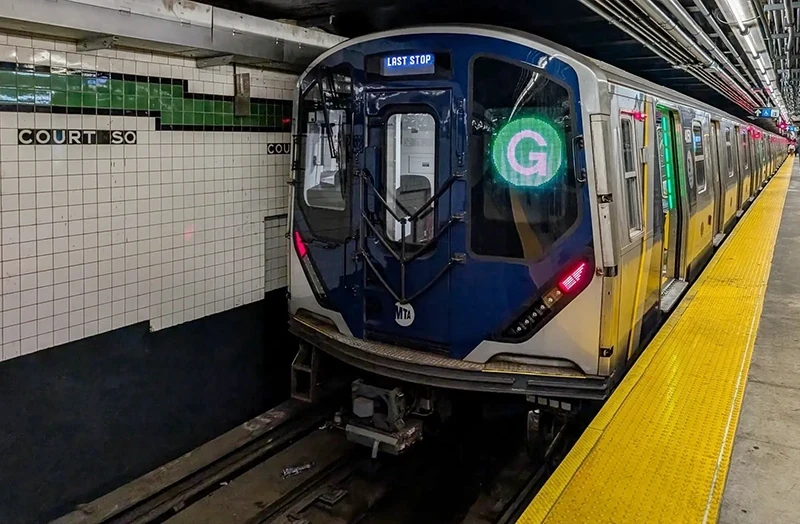
Perhaps the most pointed demand from lawmakers was for a clear, enforceable timeline for modernization. Repeated shifting of deadlines has eroded trust, and council members pushed for the MTA to publish updated schedules with measurable benchmarks. Without this, several argued, public confidence in the agency’s ability to deliver will continue to erode.
Transit analysts agree that transparency will be key. Riders want not just assurances but tangible progress markers: how many miles of track will be modernized by 2026, which lines will be next, and what improvements will be noticeable in daily commutes.
The grilling of the MTA chair is more than a bureaucratic skirmish — it reflects a larger crisis of confidence in New York’s ability to modernize its most essential public service. While the subway system remains the city’s lifeblood, its aging infrastructure threatens its reliability and efficiency. As lawmakers sharpen their focus, and as public frustration mounts, the MTA finds itself under enormous pressure to prove it can deliver results.
For now, the agency has promised to release an updated modernization schedule later this year. Whether that will be enough to restore confidence remains uncertain. What is clear is that the stakes are immense: the future of New York’s economy, mobility, and reputation as a global city depends in no small measure on whether the MTA can finally bring its signal system into the modern age.