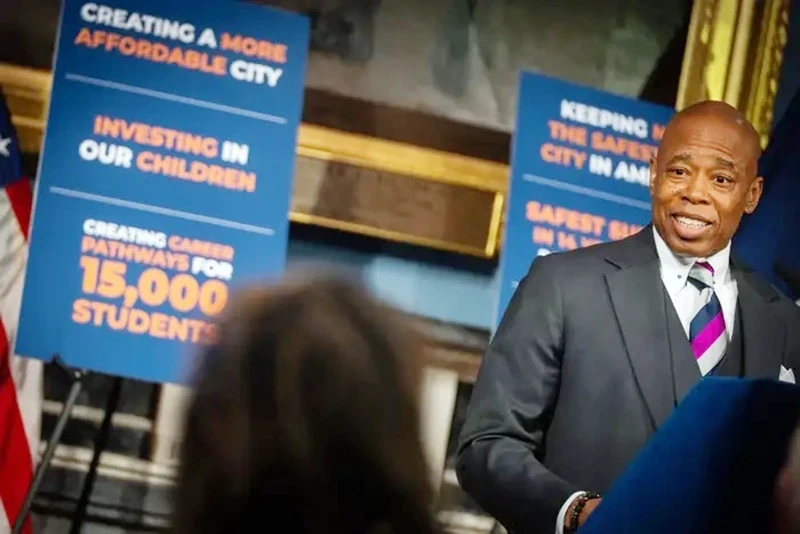
Mayor Eric Adams’ ambitious plan to expand affordable housing in New York City is facing an unexpected financial hurdle, according to internal city budget documents obtained by the press. The documents reveal a projected $2 billion shortfall in funding, raising questions about the feasibility of the mayor’s multi-billion-dollar housing initiative, which has been a centerpiece of his administration since taking office.
Funding Gaps in the Housing Agenda
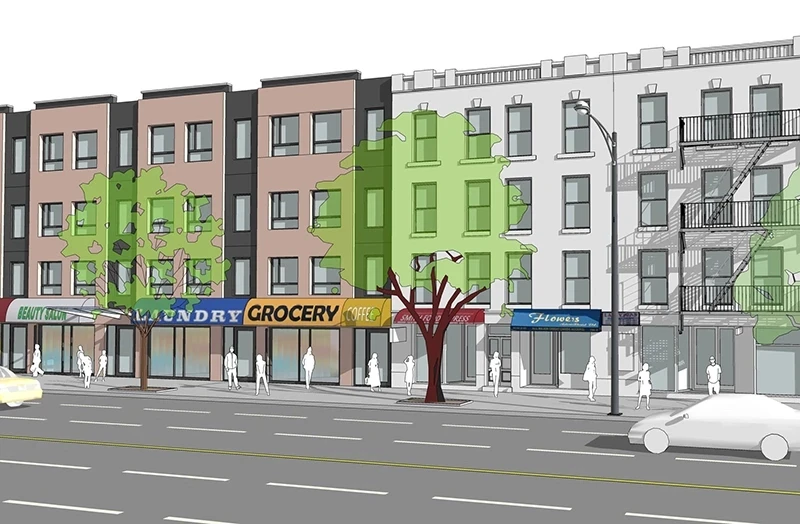
The documents, prepared by the city’s Office of Management and Budget (OMB), outline a stark mismatch between projected expenditures and available resources for the Mayor’s Housing New York 2.0 initiative. The program, which aims to create and preserve 300,000 affordable housing units over the next decade, relies on a combination of city, state, and federal funding, as well as private investment. However, the OMB report indicates that anticipated revenue streams, particularly from planned tax incentives and federal housing grants, may fall short of expectations.
A $2 billion deficit could significantly delay construction schedules, jeopardize planned renovations, and reduce the number of units available to low- and middle-income New Yorkers. Officials note that without adjustments, some projects may be postponed indefinitely, creating a bottleneck in the city’s efforts to address its housing crisis.
Political and Community Implications
City Council members, particularly those representing outer boroughs where affordable housing demand is highest, have expressed concern about the shortfall. Councilwoman Maritza Davila, chair of the Housing Committee, stated, “The mayor’s goals are laudable, but the numbers in these documents suggest that we may not have a clear path to fully realizing them. We need a concrete plan to bridge this funding gap before residents are left waiting for homes that may never materialize.”
Housing advocates echo these concerns, emphasizing that delays or reductions in affordable housing units could exacerbate homelessness and the city’s longstanding affordability crisis. According to advocates, the shortfall highlights systemic vulnerabilities in relying on a complex web of funding sources that are subject to change based on federal allocations and economic conditions.
Administration Response
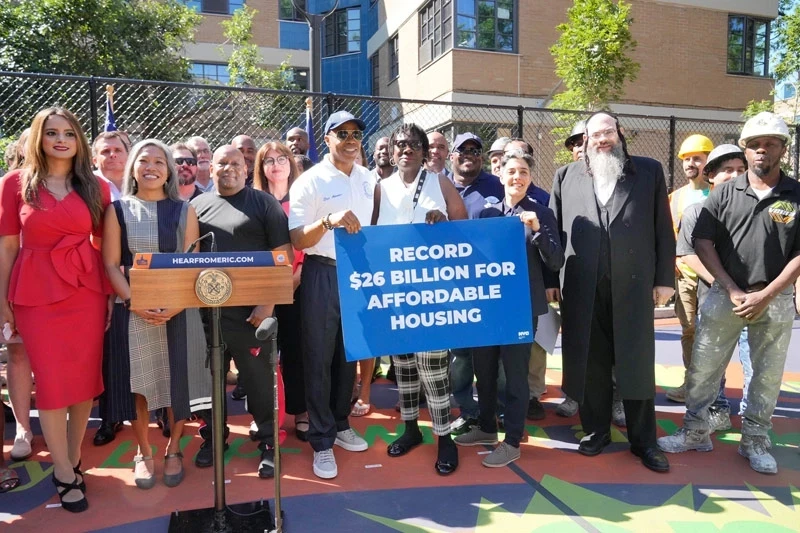
Mayor Adams’ administration has acknowledged the shortfall but insists that it does not undermine the overall goals of the housing plan. In a statement, a spokesperson for the Mayor’s Office emphasized that “our commitment to affordable housing remains unwavering. We are actively exploring alternative funding strategies, including public-private partnerships, city-backed bonds, and creative financing models, to ensure that our ambitious housing targets remain achievable.”
City officials also stress that the shortfall is partially a result of optimistic projections in federal funding, which have not yet been formally secured. The administration is reportedly in negotiations with state and federal agencies to supplement the city’s resources, but details of these discussions remain confidential.
Looking Ahead
The financial gap presents both a challenge and an opportunity for New York City policymakers. Budgetary constraints may force the administration to prioritize projects with the highest social impact, or to rethink financing models in a way that could make future initiatives more sustainable. Experts say that a transparent approach to addressing the shortfall could strengthen public trust and provide a roadmap for overcoming fiscal hurdles in large-scale city programs.
For now, the Adams administration faces mounting pressure from elected officials, housing advocates, and the public to close the $2 billion gap without slowing the momentum of one of the city’s most consequential social policy initiatives. How the city navigates this financial shortfall will likely shape the trajectory of affordable housing in New York for years to come.