The New York City mayoral race is heating up, and progressive candidate Zohran Mamdani’s recent trip to Uganda is raising eyebrows. While his campaign portrays the visit as a cultural and symbolic journey, many voters and analysts see it as a misstep that highlights his lack of focus on the challenges facing New Yorkers. At a time when crime, rising costs of living, and economic instability dominate public concern, Mamdani’s overseas trip looks like a tone-deaf distraction rather than a display of leadership.
Priorities in Question

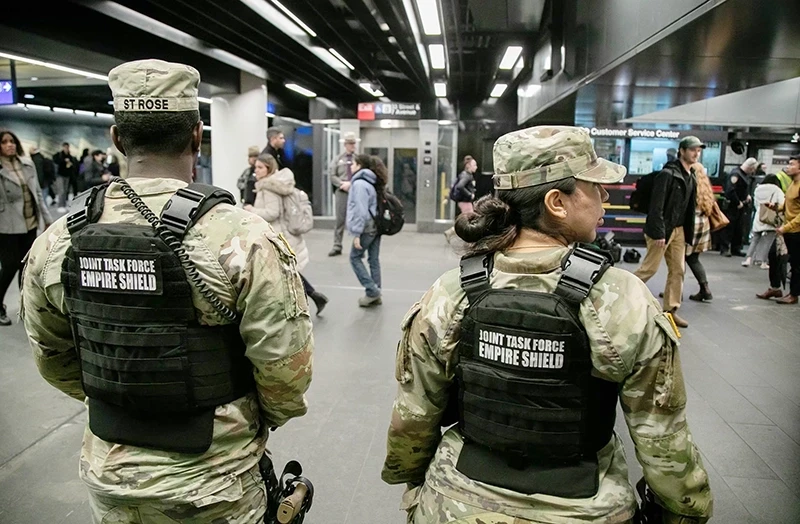
In the middle of a critical campaign period, Mamdani’s decision to leave New York for an international visit has left room for criticism from all sides of the political spectrum. Republican observers, as well as many centrist Democrats, are questioning whether Mamdani truly understands the urgency of local issues. With public safety still a major concern for residents and small businesses struggling to recover, voters are looking for a candidate who is focused on results, not international photo opportunities.
Mamdani’s progressive platform—centered around defunding the police, expansive social programs, and high taxation—has already been criticized as unrealistic and damaging to New York’s economic competitiveness. By taking his campaign abroad, he risks appearing more interested in global politics and activist narratives than in solving problems at home.
A Golden Opportunity for Republicans
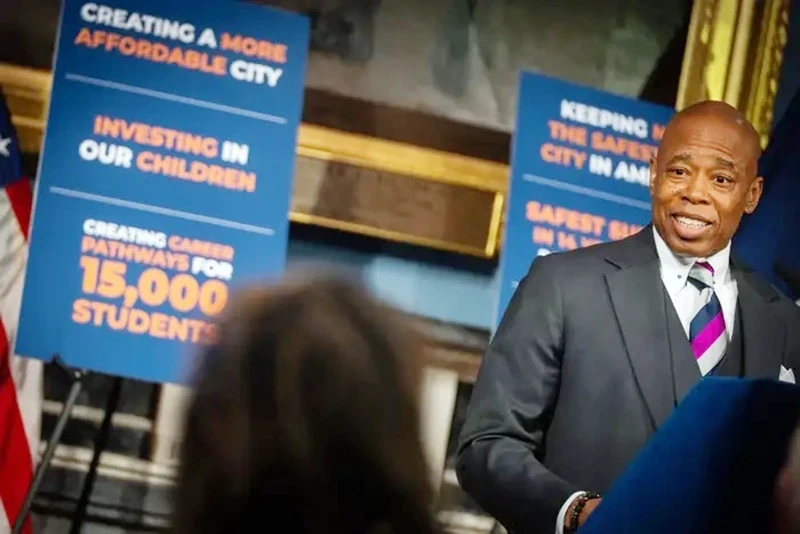
Republican strategists view Mamdani’s trip as an opportunity to highlight the failures of progressive leadership in major cities like New York. Crime rates remain high in many neighborhoods, quality of life has deteriorated, and policies pushed by far-left politicians have discouraged business investment and driven out middle-class families. While Mayor Eric Adams has tried to distance himself from some of these progressive policies, his administration is still tied to the broader Democratic agenda that has made life harder for ordinary New Yorkers.
Mamdani’s globalist rhetoric only reinforces the perception that the left is out of touch with working-class concerns. A Republican challenger—especially one with a platform focused on public safety, tax relief, and economic revival—can leverage this narrative to appeal to frustrated voters who are tired of seeing their city decline.
Global Posturing vs. Local Problems

While Mamdani speaks about solidarity and international justice, New Yorkers face skyrocketing rents, failing infrastructure, and an ongoing migrant crisis that has stretched city resources thin. These are issues that require tough, pragmatic solutions—not global posturing. Voters who are struggling to pay their bills or feel unsafe on their commute are unlikely to be impressed by campaign videos filmed abroad.
Republican voices argue that New York needs leadership grounded in common sense, not ideological experiments. They believe that Mamdani’s visit to Uganda, no matter how symbolic, underscores his lack of experience and inability to prioritize local needs over grandstanding.
The Voter Backlash
As Mamdani returns to the campaign trail, he will need to explain why his time and resources were better spent abroad rather than engaging directly with voters and addressing the issues they care about most. For many working-class families—both Democrats and Republicans—his trip is a reminder of what they dislike about progressive politics: an emphasis on abstract, global causes while local communities are left behind.
In contrast, a Republican approach promises to focus squarely on restoring order, improving quality of life, and supporting job growth. With crime prevention and economic revival at the forefront of voter concerns, Republicans have an opportunity to position themselves as the party of stability and accountability.
Looking Forward

The NYC mayoral race is shaping up to be a referendum on leadership. Mamdani’s overseas detour may energize his progressive base, but it risks alienating moderate and undecided voters who want a candidate focused on the realities of life in the city. Republicans will seize on this moment to draw a sharp contrast between their practical solutions and the progressive agenda that has contributed to New York’s decline.
If Mamdani continues to prioritize symbolic gestures over real solutions, he may find that his global message resonates less with voters who simply want safer streets, affordable housing, and economic opportunity. For Republicans, this is a golden opening to reintroduce themselves as the party of results in a city desperate for competent leadership.