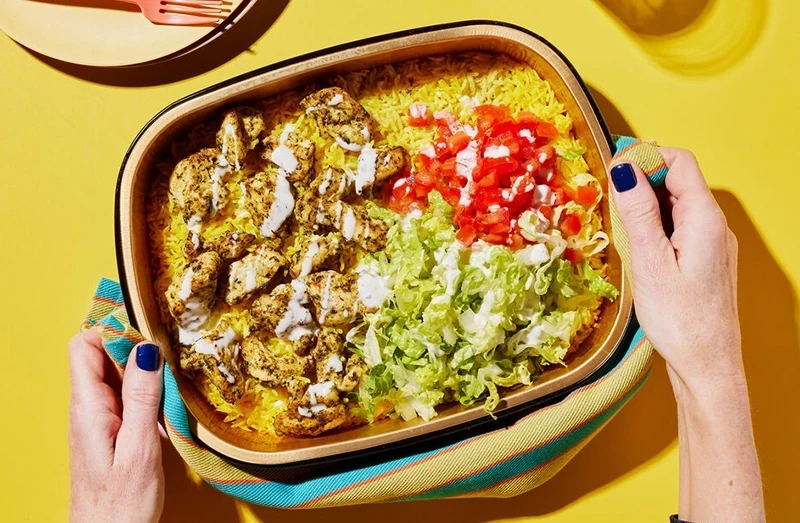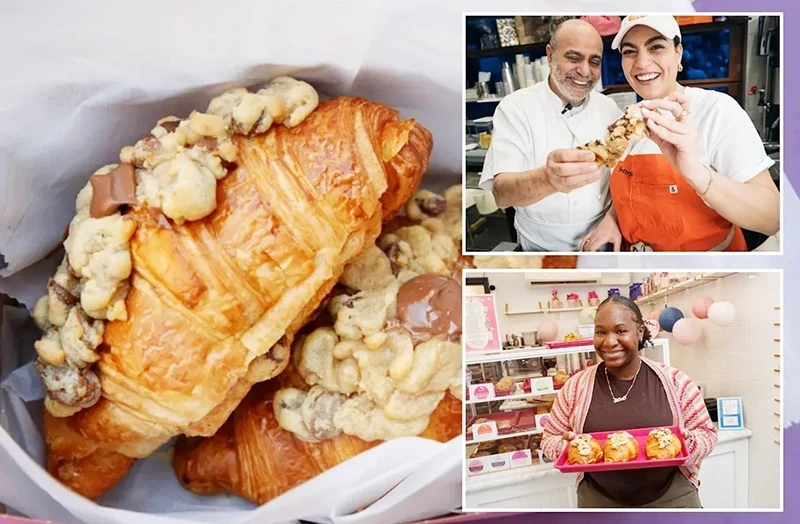
New York City thrives on food trends. From rainbow bagels to cronuts, the city has built a global reputation as the birthplace of dishes that often go viral overnight. The latest culinary craze—a mash-up of street food and high-end presentation—has taken social media by storm. Long lines snake around the block, influencers post glowing reviews, and foodies rush to snap photos before taking their first bite. But behind the hype and glossy Instagram reels lies a story that many diners never consider: the working conditions of the kitchens that make these viral trends possible.
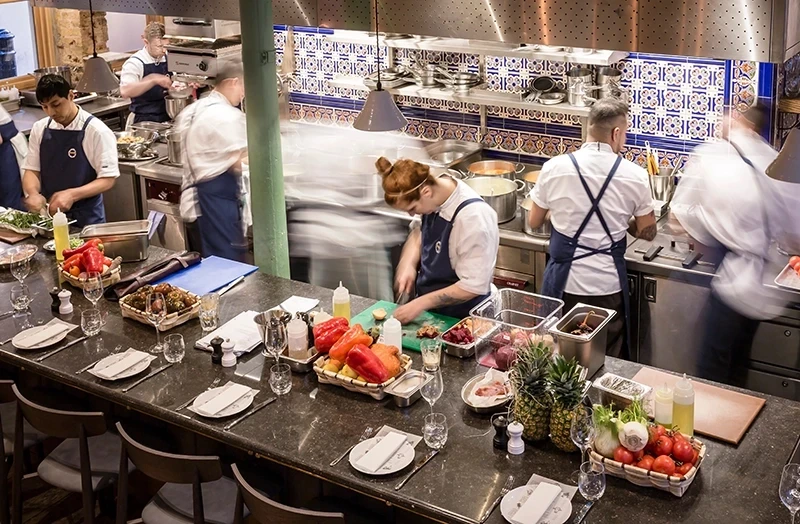
For the chefs, line cooks, and dishwashers fueling this latest sensation, the reality is far less glamorous. Interviews with several workers across multiple popular establishments revealed a recurring pattern: long hours, cramped kitchens, and wages that often lag behind New York’s already modest industry standards. Many of these workers describe kitchens where staff push through 12- to 14-hour shifts, often without breaks, just to keep up with the relentless demand generated by viral fame.
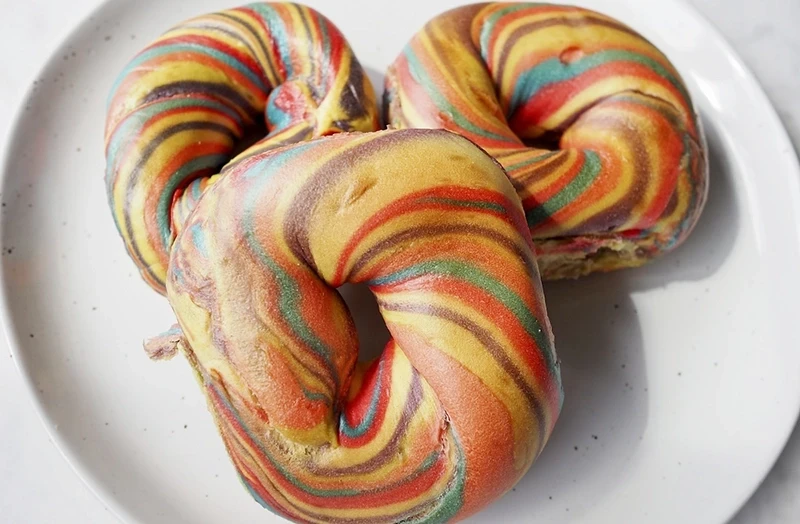
The New York restaurant scene has always carried an undercurrent of labor challenges. Even before this latest wave of social media-driven dining, restaurant workers often struggled with wage theft, unpredictable schedules, and limited job security. What makes viral food trends different is the sheer speed at which demand scales. A single TikTok video or viral Instagram reel can turn a relatively unknown eatery into the city’s most talked-about spot overnight. Suddenly, kitchens designed to handle a few hundred covers a day may find themselves cranking out thousands of orders weekly.
This sudden surge rarely comes with adequate staffing or resources. Workers describe being asked to do the work of two or three people, often while being told that raises or overtime pay are “impossible” because the business is still “recovering” from the pandemic or because margins are thin. In some cases, tips are pooled and distributed unevenly, with back-of-house employees seeing little to no benefit despite shouldering the brunt of the extra workload.
The irony is clear: while viral dishes bring visibility and increased revenue to restaurants, the people responsible for making them rarely share in the profits. A worker at one Manhattan hot spot described how his kitchen has only two functioning fans despite summer heat routinely pushing the temperature over 100 degrees. “We’re cooking for hours in an oven, literally,” he explained. “But people outside are just waiting with cameras for their turn. They don’t know what’s happening inside.”
Industry advocates argue that the problem lies in the lack of oversight and enforcement. New York has some of the most robust labor laws in the country, including a $16 minimum wage for fast food workers and additional protections for tipped employees. Yet violations remain common. Wage theft alone accounts for millions of dollars lost to workers each year in the city’s restaurant industry. For many, the fear of speaking out outweighs the potential benefit. Immigrant workers, in particular, often face the harshest conditions and the least security.
At the same time, the allure of viral fame can be blinding for business owners as well. Many restaurateurs feel pressure to maximize profits during their “moment,” knowing that food trends burn out as quickly as they spark. That pressure can create a cycle of corner-cutting, with owners prioritizing marketing, branding, and expansion over sustainable operations. The end result is a business model that extracts as much as possible from workers while the spotlight lasts, then moves on once the hype fades.
Consumers also play a role in this cycle. While diners may think of themselves as supporting small businesses by lining up for the latest viral dish, their demand fuels the same conditions that exploit kitchen staff. Choosing to ask questions, support restaurants known for ethical practices, or simply broadening dining choices can have a meaningful impact. Food culture in New York thrives not just on creativity, but on labor. Every viral bite is the result of hours of unseen work.
The truth is that the story of NYC’s latest viral food trend is not just about flavor or innovation. It’s also about the hidden cost of labor, the people behind the line who make the magic happen, and the uncomfortable reality that not all success is shared equally. Until diners, owners, and policymakers begin to look beyond the hype, these viral moments will continue to come at a price far higher than the cost on the menu.