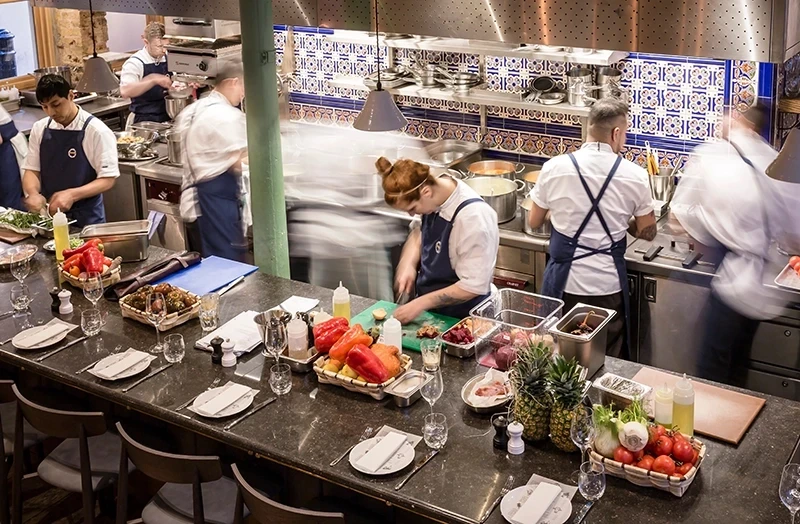
The release of the Michelin Guide’s 2025 awards has once again highlighted one of New York City’s most persistent culinary disparities: for yet another year, the Bronx remains the only borough without a single Michelin-starred restaurant. This omission continues despite the borough’s rich and diverse food culture that spans from the legendary Italian eateries of Arthur Avenue to innovative Caribbean, Latin American, and West African establishments that have earned critical acclaim through other channels.
The economic implications of this exclusion are substantial and well-documented. According to recent data from the NYC Hospitality Alliance, restaurants that receive Michelin stars typically experience a 20-30% increase in revenue within the first year of recognition. More significantly, the “Michelin effect” extends beyond individual establishments to boost surrounding businesses, increase property values, and attract tourism dollars to previously overlooked neighborhoods. “We’re talking about millions in potential economic impact that consistently bypasses the Bronx,” explains culinary economist Dr. Michael Chen. “This isn’t just about prestige—it’s about investment, job creation, and community development that other boroughs take for granted.”
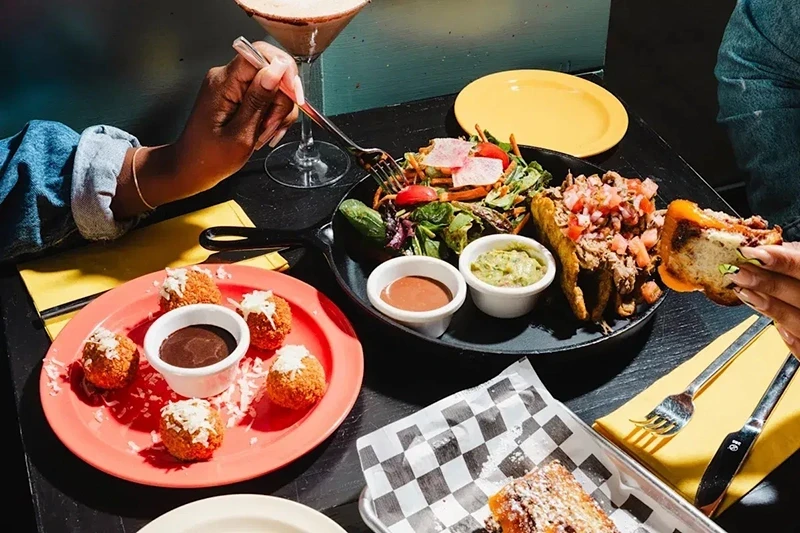
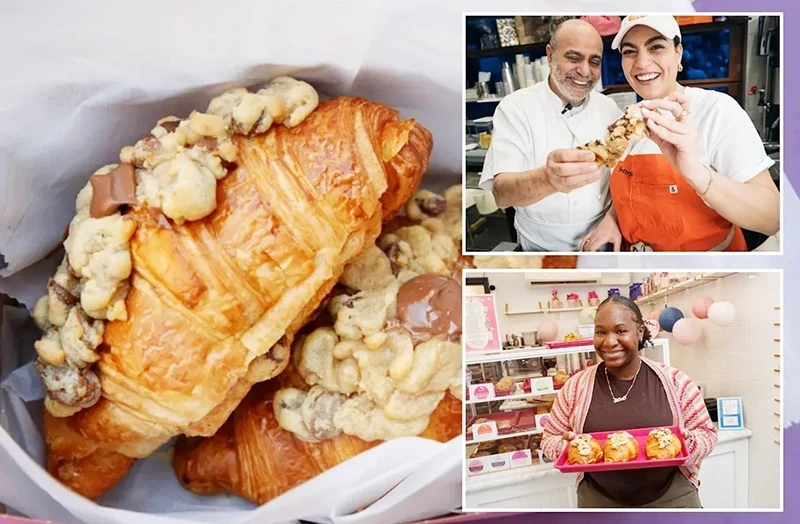
The Bronx’s culinary scene has been gaining recognition through other avenues. establishments like the renowned Caribbean fusion spot Gun Hill Brewery and the innovative Beatstro restaurant have received critical praise in publications including The New York Times and Eater NY. The borough’s food culture continues to thrive through its legendary institutions such as Dominick’s Restaurant on Arthur Avenue and emerging favorites like Chocobar Cortés in the South Bronx. Yet Michelin’s inspectors have consistently overlooked these establishments in their annual star selections.
The selection process itself has faced increasing scrutiny from food critics and industry observers. “Michelin’s methodology has always been opaque, but the consistent exclusion of an entire borough suggests deeper structural issues in how they evaluate culinary excellence,” says food journalist Maria Torres. “When you consider that the Bronx has historically been home to some of the city’s most vibrant food cultures, from Italian to Puerto Rican to Jamaican, the continued absence of recognition becomes increasingly difficult to justify.”
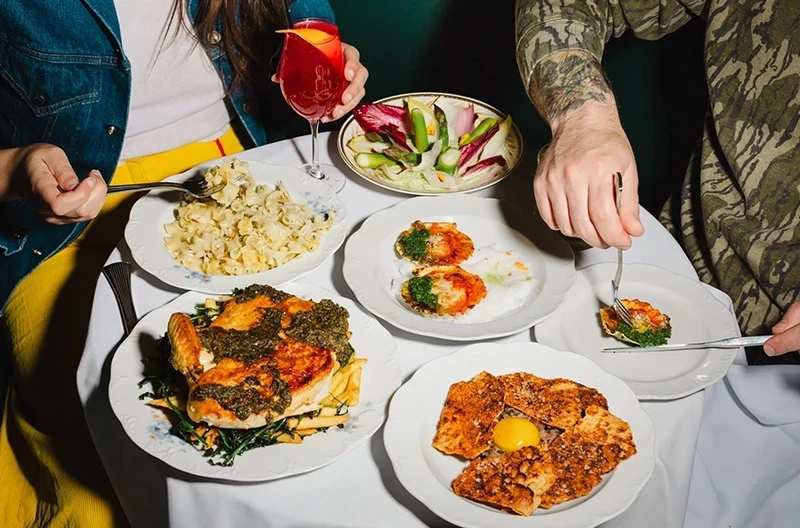
Local chefs and restaurant owners express mixed feelings about the oversight. While many take pride in their community recognition and loyal customer bases, others note the practical benefits that Michelin recognition could bring. “We’re not cooking for guides or awards,” says one prominent Bronx chef who requested anonymity due to ongoing dealings with Michelin representatives. “But the reality is that a star can transform a business overnight. It means being able to offer better wages, expand your team, and invest in the community in ways that are otherwise difficult.”
The conversation around Michelin’s oversight has expanded beyond culinary circles to include urban planners and economic development experts. “Food tourism represents a significant growth sector for New York City,” notes urban studies professor Dr. Amanda Jackson. “By consistently ignoring the Bronx, Michelin isn’t just snubbing individual restaurants—they’re contributing to broader patterns of economic disparity and missed opportunities for sustainable development in underserved communities.”
Michelin representatives, when contacted for comment, reiterated their commitment to evaluating establishments across all five boroughs. “Our inspectors are constantly assessing new venues and revisited establishments throughout New York City,” said a guide spokesperson. “We remain dedicated to recognizing culinary excellence wherever we find it.”
As New York’s culinary landscape continues to evolve, the question remains not just when the Bronx will receive its first Michelin star, but what economic and cultural opportunities continue to be missed with each passing year of exclusion. For now, the borough’s chefs and restaurant owners continue their work, building recognition one dish at a time, while awaiting the validation that could transform their businesses and community.