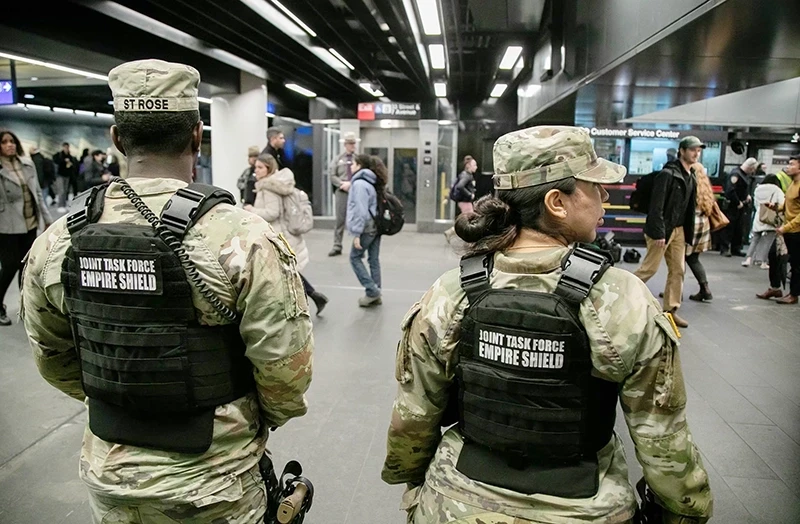
New York City has long been a beacon for immigrants, but the ongoing migrant influx has pushed the city to its limits, triggering public debate over whether City Hall’s response is sufficient. With more than 230,000 migrants arriving since spring 2022 and roughly 65,000 still in the city’s care, the question isn’t just about hospitality—it’s about resources, priorities, and long-term planning.
The Numbers Paint a Pressured Picture
Over the past two years, the city has opened more than 200 emergency shelters. As of early 2025, officials report that at least 46 have closed, with plans to shut down more by summer. The shelter census has steadily declined for over six months, yet the financial toll remains steep: city leaders estimate the response has cost over $10 billion to date.
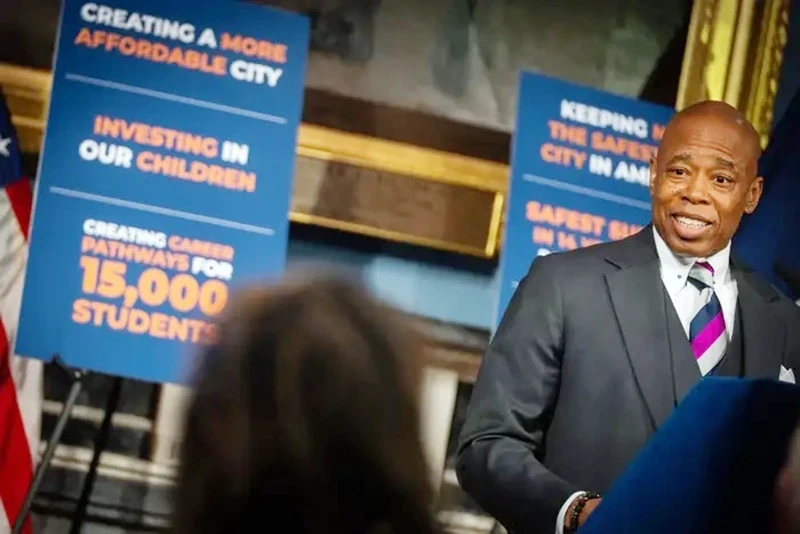
Adding to the pressure, New York City recently lost $80 million in federal emergency funding. Mayor Eric Adams has responded by ordering citywide budget cuts and hiring freezes. While some view this as fiscal responsibility, others argue it places the burden on city agencies already stretched thin.

Shelter Closures Spark Concern
City Hall’s strategy to phase out temporary shelters has been met with mixed reactions. The closure of facilities such as the Roosevelt Hotel and the Hall Street site in Brooklyn has left many families scrambling for alternatives. Critics say the transition process lacks clear planning and that the city hasn’t adequately communicated with those affected.
Further complicating matters are the 30- and 60-day shelter limits imposed on migrants. Although exemptions are available for families with medical or educational needs, many say they weren’t informed properly, forcing children to change schools or families to uproot unexpectedly.
Housing and Contracting Criticisms
One of the most frequent criticisms involves the city’s underutilization of vacant public housing and other long-term solutions. Advocates argue that instead of relying heavily on costly temporary shelters, the city should pivot to affordable and permanent housing strategies.
Additionally, concerns have been raised over how shelter contracts are awarded. Critics claim a lack of transparency and accountability, warning that some no-bid contracts may be more about profit than service quality. With thousands of vulnerable individuals involved, oversight is key—but not always visible.

Legal Services and Work Authorization Efforts
On the positive side, the city has expanded access to legal assistance and immigration case management. So far, more than 27,000 migrants have been helped with work authorization applications, allowing some to find employment and start gaining independence.
Governor Kathy Hochul has also contributed by allocating tens of millions of dollars toward legal aid, though some lawmakers argue the funding falls short of actual demand. Advocates have called for a larger commitment from both state and federal governments.

Political Flashpoints and Public Sentiment
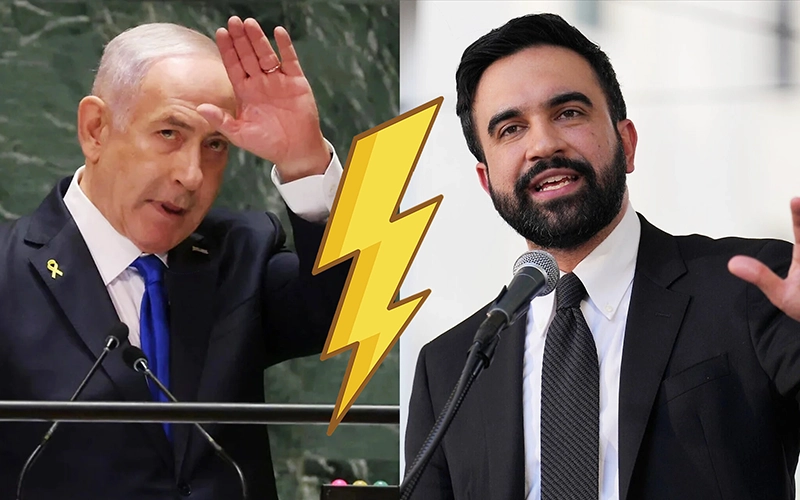
The migrant crisis has turned into a political lightning rod. Governor Hochul recently defended the state’s sanctuary policies under scrutiny from Congress, highlighting the deportation of more than 1,000 individuals for criminal conduct since 2021.
Meanwhile, mayoral candidate Brad Lander has positioned himself as a progressive voice on the issue, going so far as to accompany migrants to court hearings in protest of immigration enforcement. His actions have been polarizing—celebrated by some, questioned by others—but they underscore how politically charged the topic has become.

What Comes Next?
Mayor Adams insists that the city is on the right track, emphasizing plans to further reduce reliance on shelters and increase investment in work opportunities and permanent housing. However, advocates stress that simply closing shelters without comprehensive transition plans risks further instability for migrants and neighborhoods alike.
The big question remains: will short-term fixes evolve into sustainable strategies? If City Hall wants to live up to New York’s legacy as a city of immigrants, its policies must not only react to crises—but anticipate and build for the future.